News
We are glad to share with you about the results of our work, company news, and give you timely developments and personnel appointment and removal conditions.
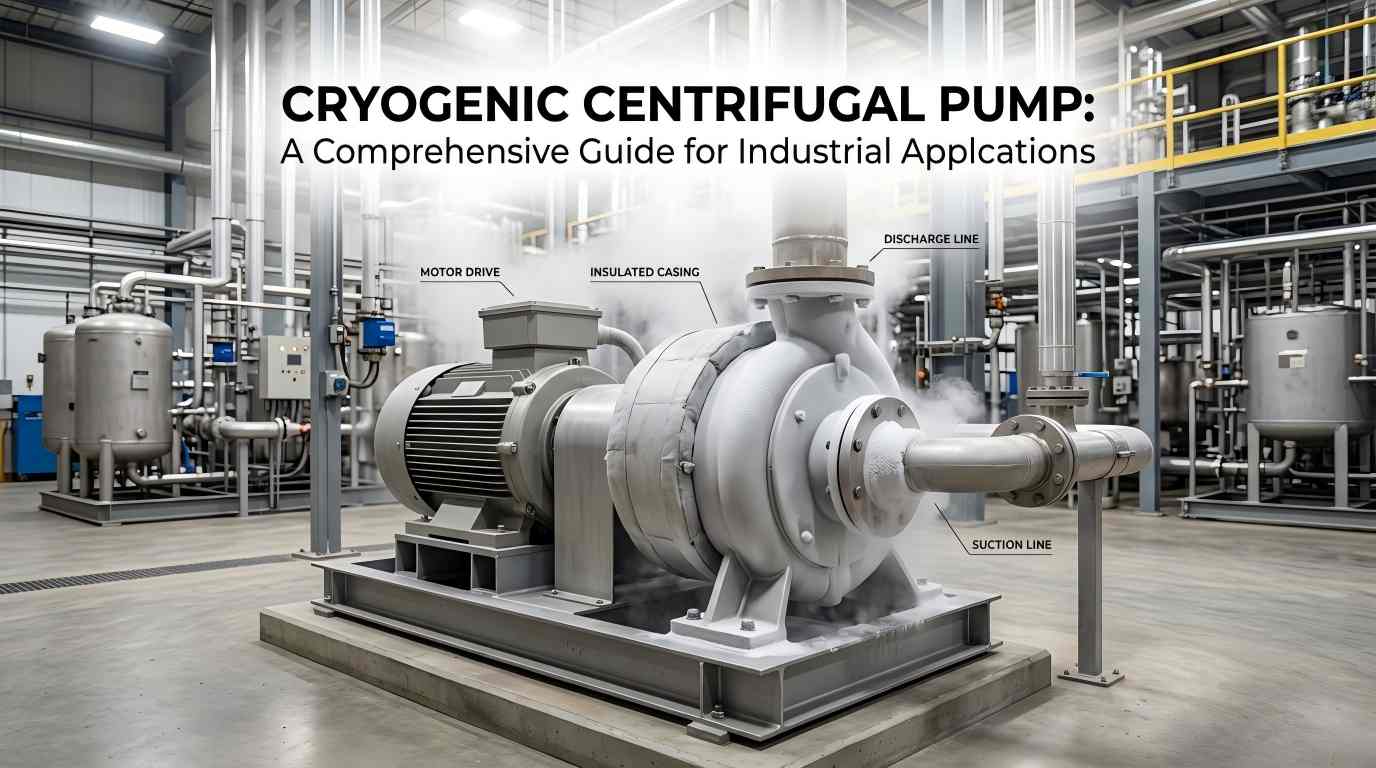
Cryogenic Centrifugal Pump: A Comprehensive Guide for Industrial Applications
Cryogenic Centrifugal Pump is a specialized fluid conveying equipment developed for transporting ultra-low temperature media, with the applicable medium temperature generally below -150°C. Compared with ordinary centrifugal pumps, this equipment adopts special cryogenic materials and precision sealing structures, featuring excellent thermal shock resistance, enabling safe and efficient delivery of low-temperature liquid gases such as liquefied natural gas (LNG), liquid oxygen, liquid nitrogen, liquid argon, and liquid hydrogen.
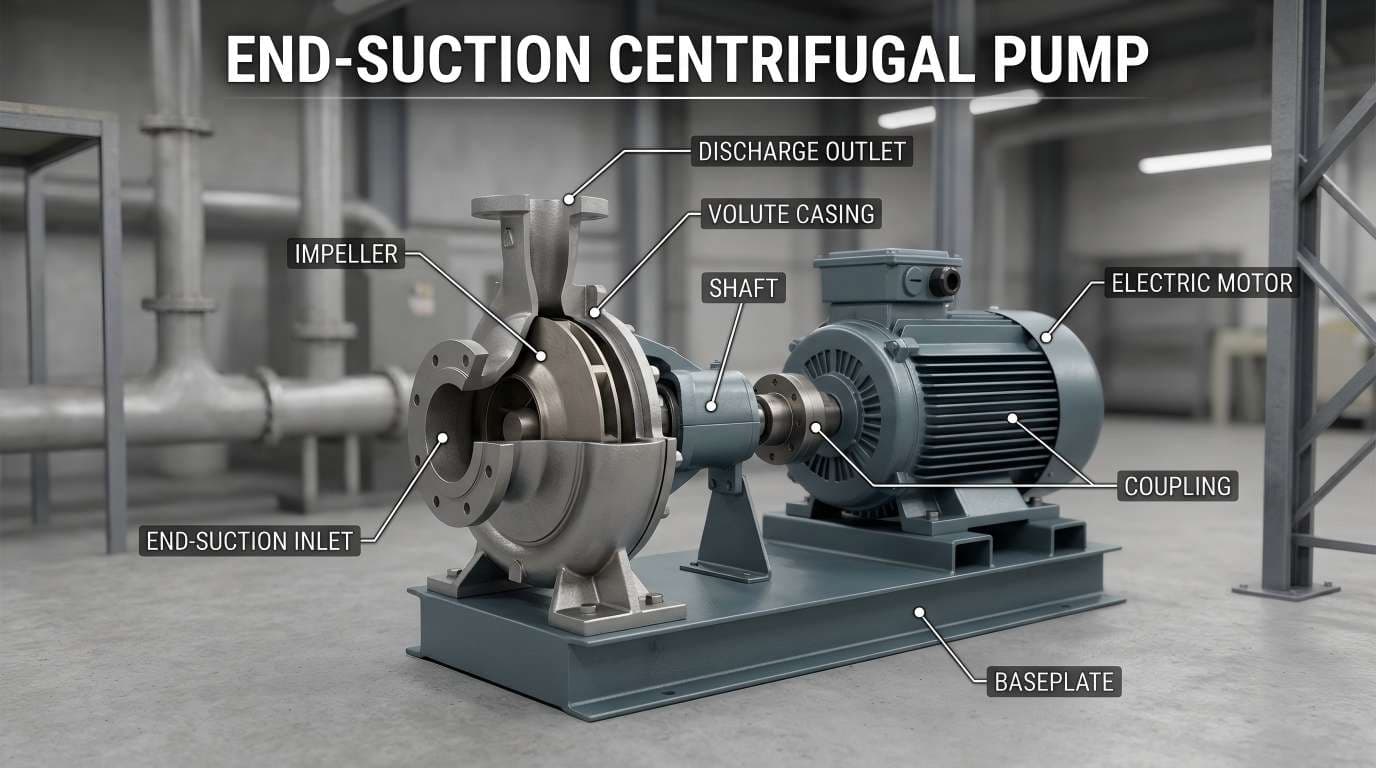
What is an End-Suction Centrifugal Pump?
In industrial fluid transfer, building HVAC systems, and municipal water supply systems, you will always find a familiar piece of equipment—the end-suction centrifugal pump.
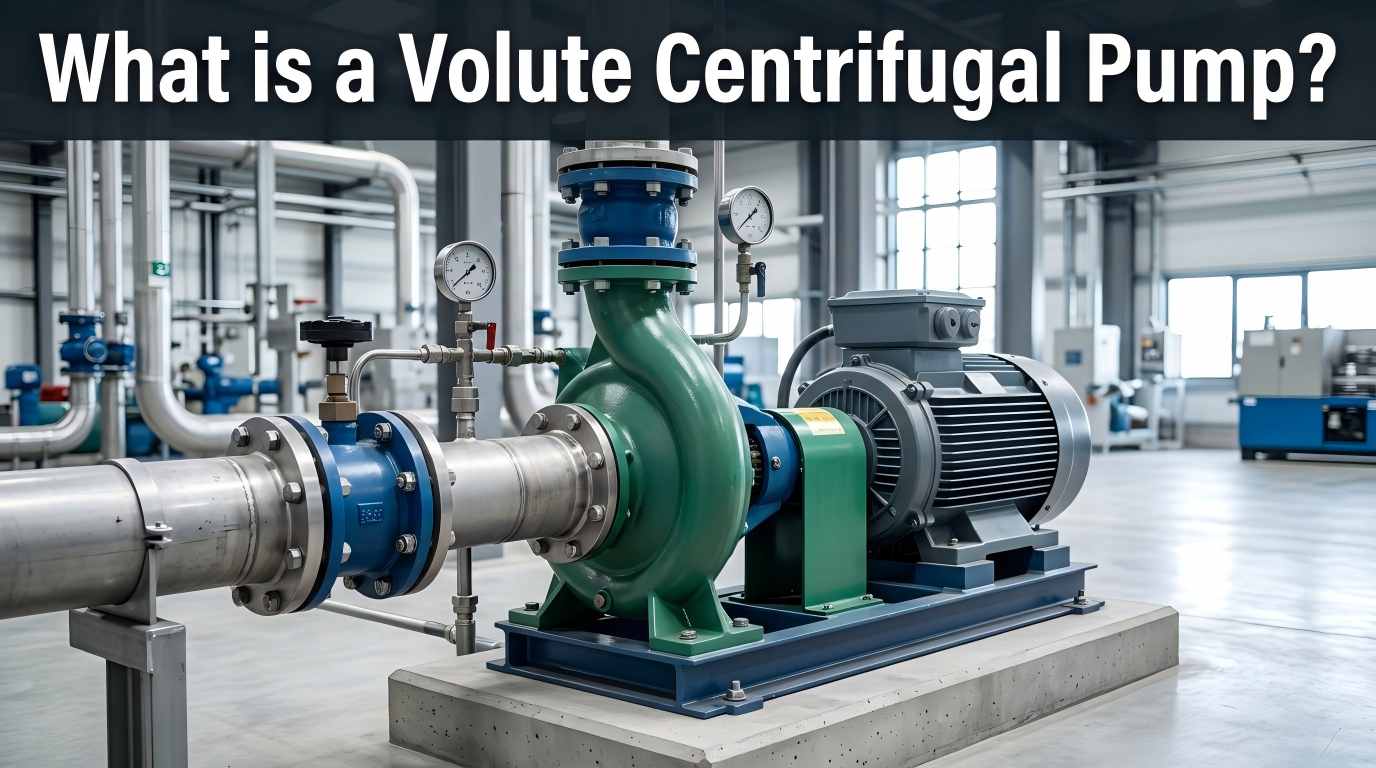
What is a Volute Centrifugal Pump?
A volute centrifugal pump is a type of dynamic pump that converts mechanical energy into hydraulic energy through the rotation of an impeller and relies on a spiral volute casing for efficient fluid delivery. Unlike other types of centrifugal pumps, its most prominent feature is the volute-shaped casing (also known as a spiral casing), which is the core component distinguishing it from models such as diffuser centrifugal pumps. Volute centrifugal pumps feature robust construction, relatively low cost, quiet operation, and reliable performance, with minimal impact from corrosion and erosion. They are the preferred equipment for most industrial and civil fluid delivery applications.
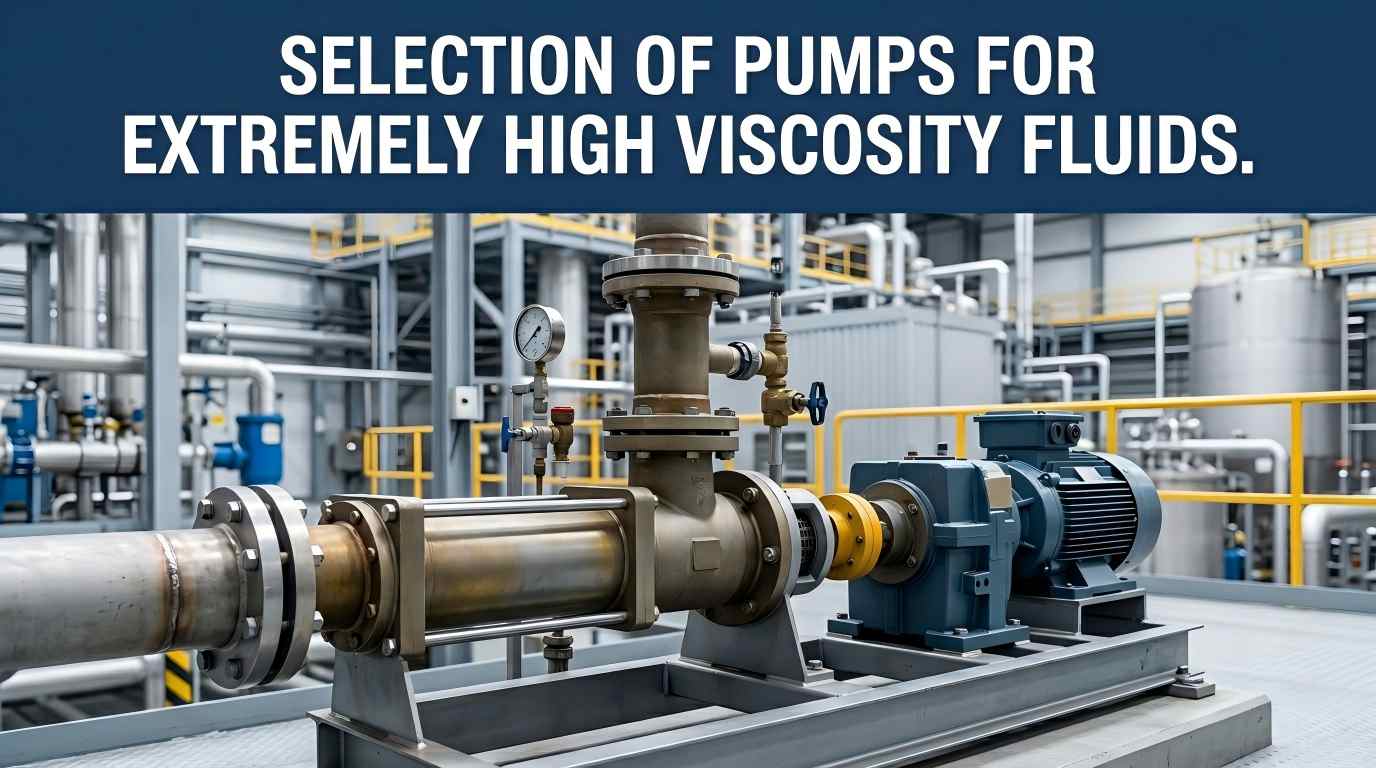
Selection of Pumps for Extremely High Viscosity Fluids
The transfer of high-viscosity fluids (such as heavy oil, resin, asphalt, syrup, polymers, ink, sludge, etc.) is a common yet challenging task in numerous industrial fields, including chemical, petroleum, food, pharmaceutical, and even environmental sludge treatment. Many engineers struggle with the "high viscosity" of fluids during pump selection: ordinary centrifugal pumps fail to deliver or suffer a sharp drop in efficiency; selecting the wrong pump type not only leads to a surge in energy consumption but also may cause frequent equipment failures, even production shutdowns, resulting in huge losses.
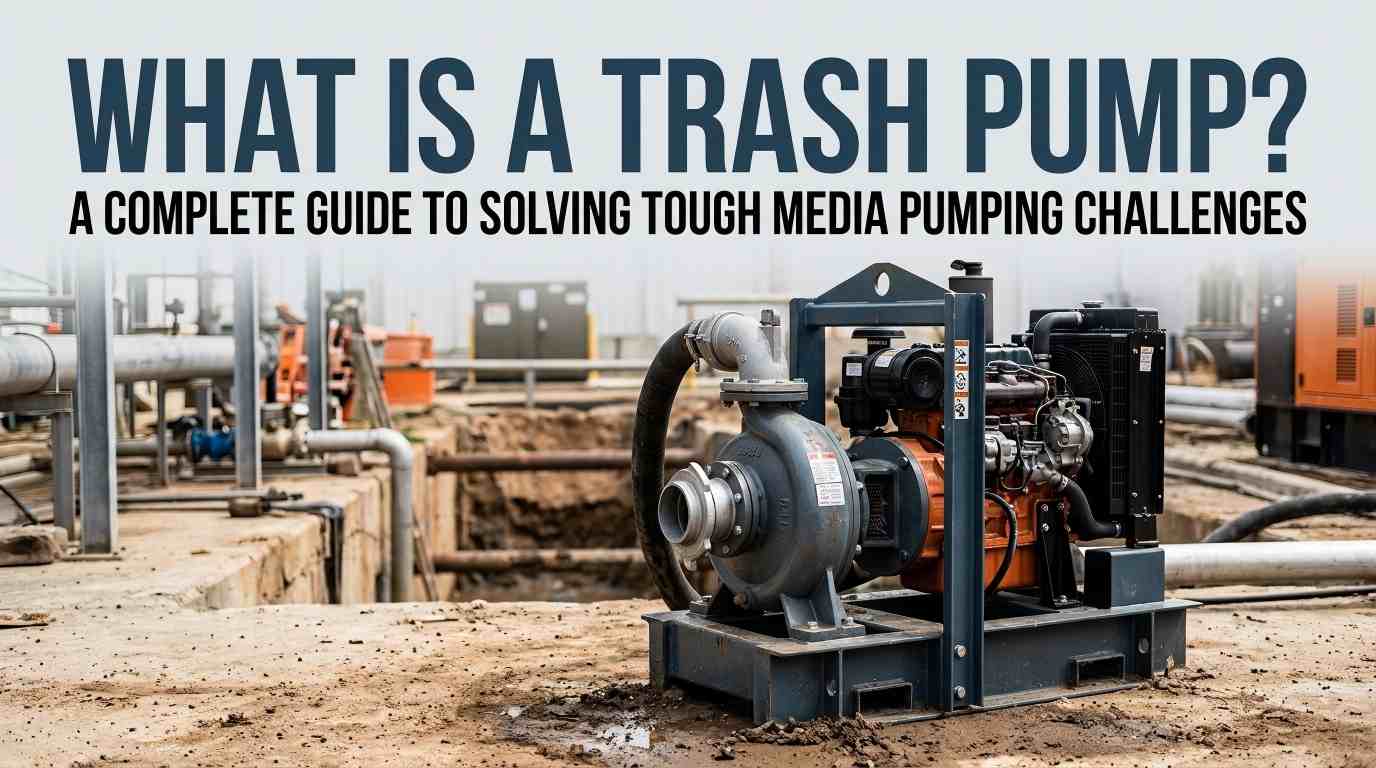
What is a Trash Pump? A Complete Guide to Solving Tough Media Pumping Challenges
Water is an indispensable resource in our daily lives and industrial production, used everywhere from agricultural irrigation to construction site drainage. However, not all water is clear and free of impurities. When water is mixed with fallen leaves, mud, sand, or even larger solid waste, ordinary clean-water pumps often fail, operating inefficiently or breaking down quickly. This is where the trash pump comes in. Today, we will fully explore what a trash pump is, its core functions, working principles, application scenarios, daily maintenance, and purchasing considerations, helping you understand its core value in one article and easily handle various complex pumping needs.
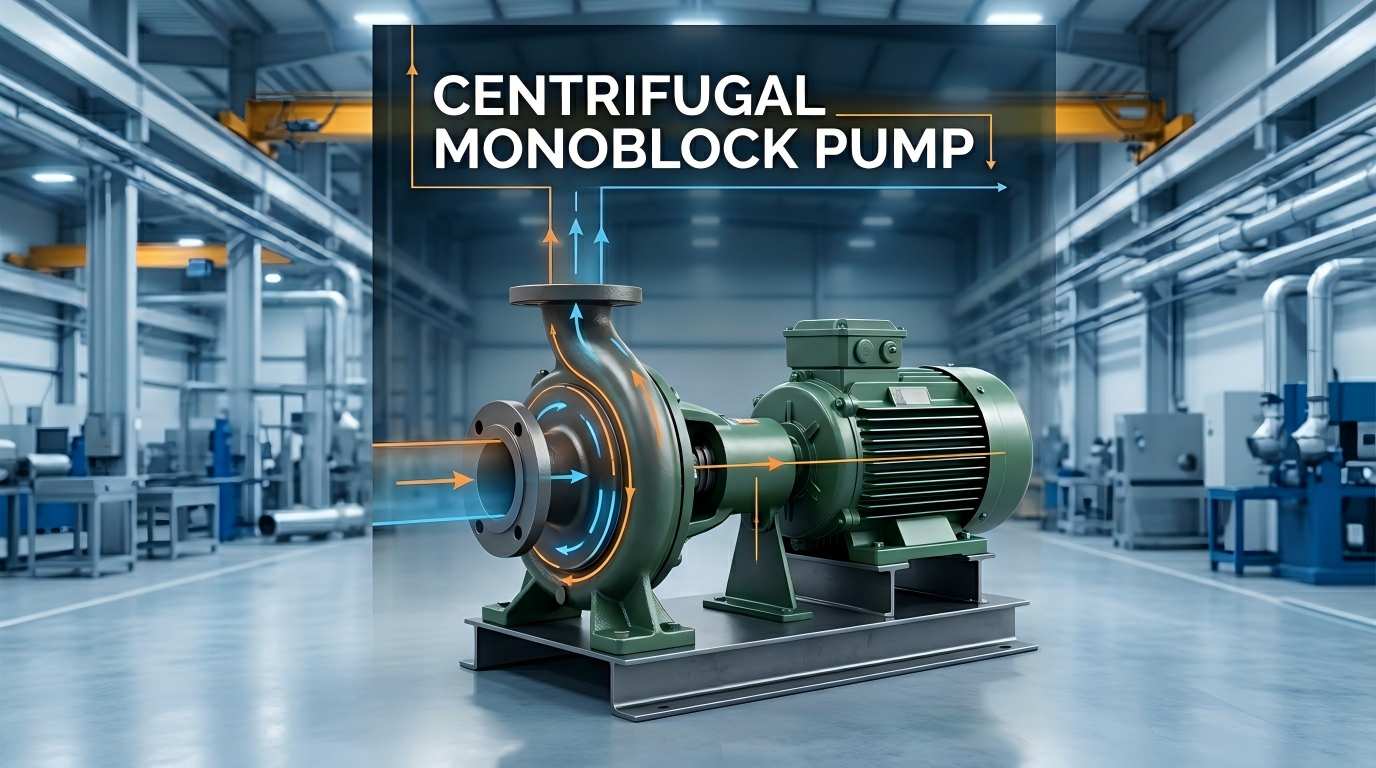
What is a Centrifugal Monoblock Pump? Complete Analysis of Working Principle, Structural Features and Applications
Many purchasers and engineering technicians often come across the term "centrifugal monoblock pump" when selecting water supply equipment, but are unclear about its differences from ordinary centrifugal pumps and split-type water pumps. In simple terms, a centrifugal monoblock pump is an integrated centrifugal pump with the pump body and motor combined into one unit. Thanks to its compact structure, easy installation and stable operation, it has become the mainstream pump type for civil, light industrial and agricultural water supply scenarios.
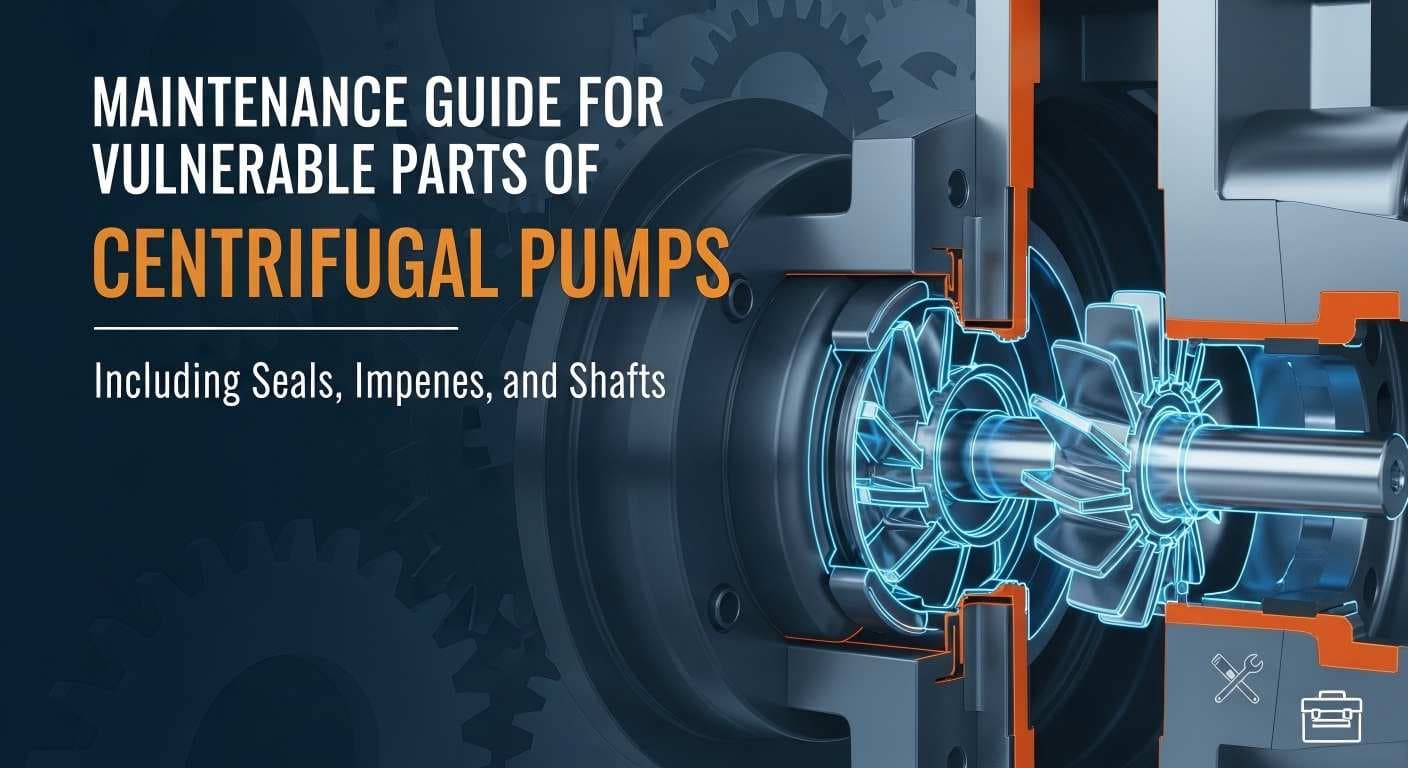
Maintenance Guide for Vulnerable Parts of Centrifugal Pumps Including Seals, Impellers and Shafts
Centrifugal pumps are widely used in chemical, environmental protection, mining and other fields. Affected by medium erosion, corrosion, friction and other factors during long-term operation, the three core components—mechanical seals, impellers and pump shafts—are the most prone to damage, often causing failures such as leakage, vibration and insufficient flow. At present, most enterprises emphasize emergency repair over preventive maintenance and lack standardized maintenance standards, resulting in high repair rates and shortened service life. Combined with practical experience and technical parameters, this paper systematically sorts out maintenance techniques and installation standards for key components, providing practical preventive maintenance references for operation and maintenance personnel.
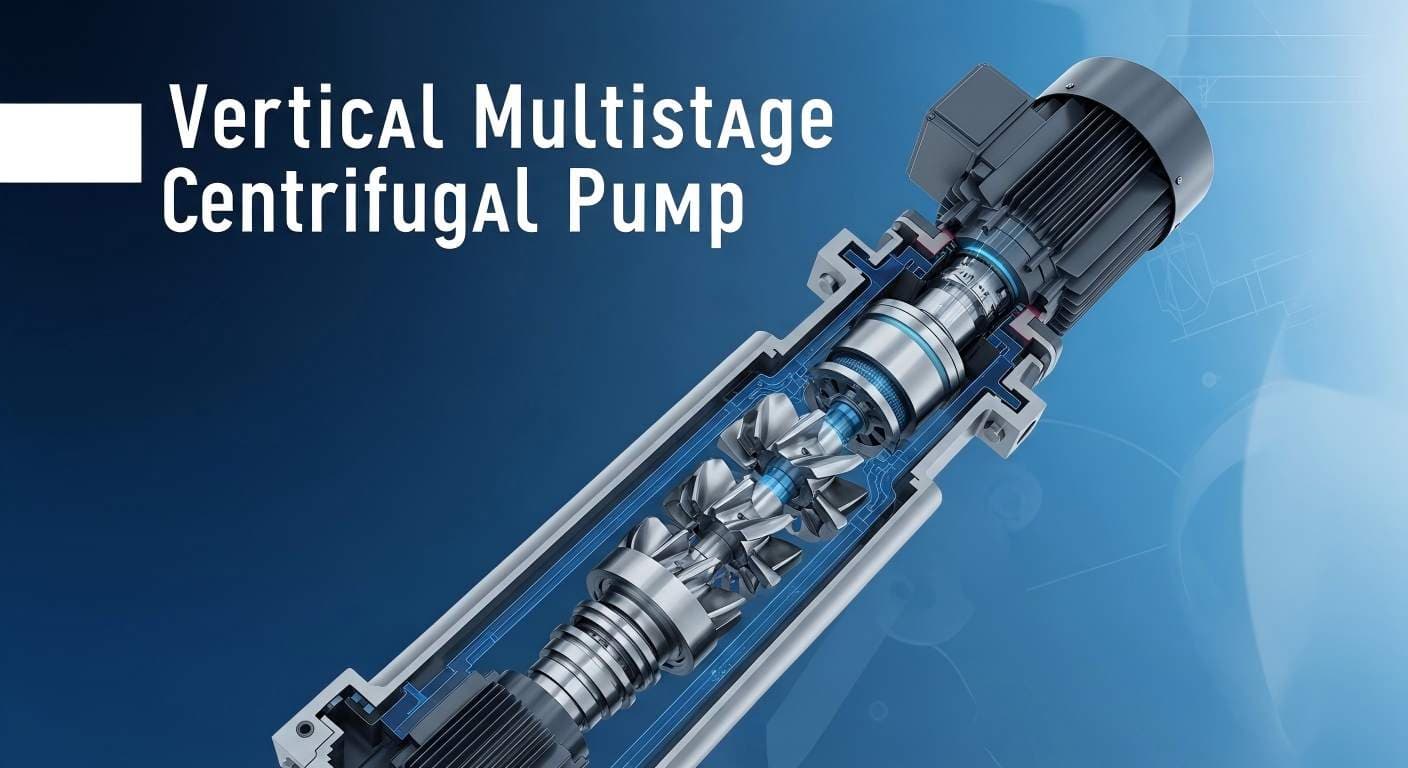
What is a Vertical Multistage Centrifugal Pump?
A vertical multistage centrifugal pump is a high-pressure fluid handling device composed of multiple impellers stacked vertically. Unlike the horizontal shaft layout of horizontal pumps, this equipment features a vertical coaxial structure for the motor and pump body, with multiple impellers mounted in series on the same main shaft. Each set of impellers and flow channels forms an independent pressurization unit to achieve gradual increment of fluid pressure.
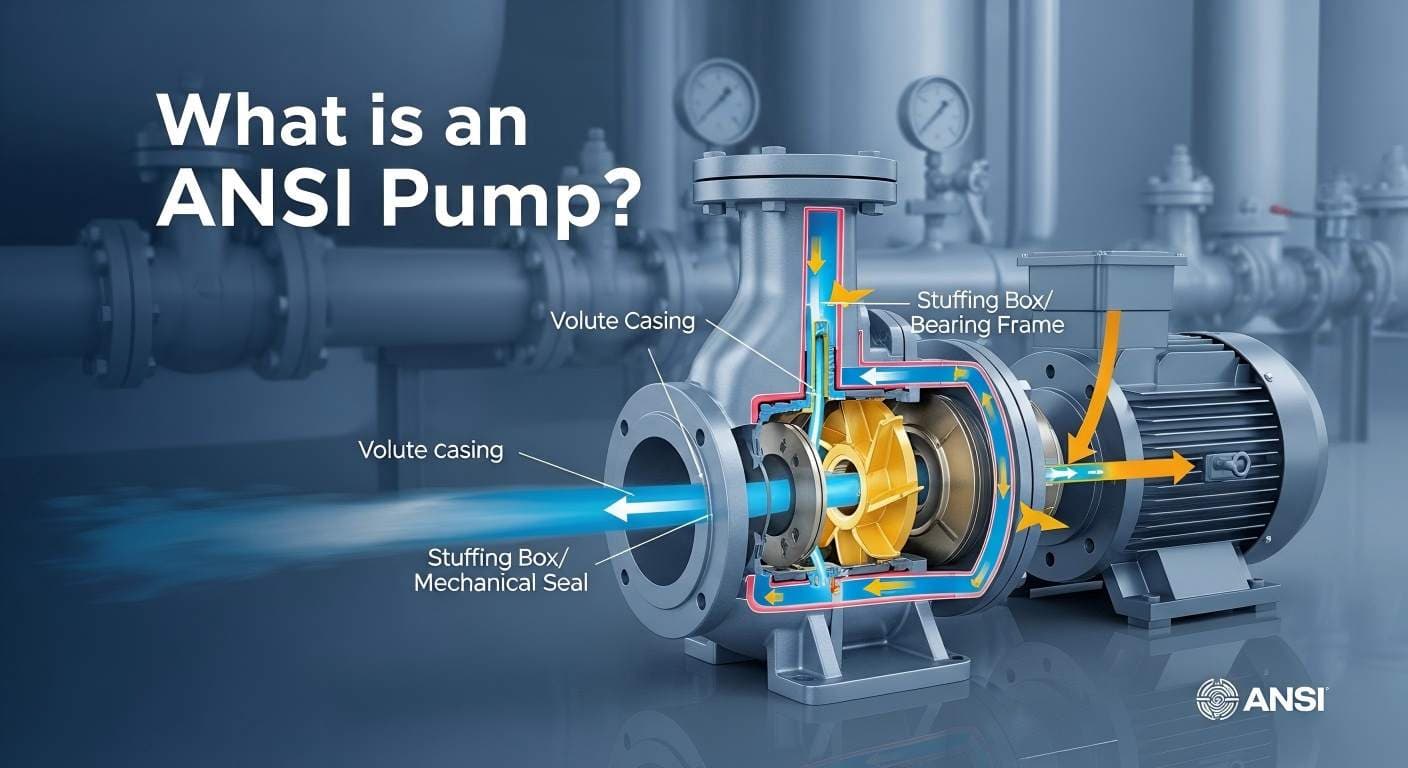
What is an ANSI Pump?
ANSI pump (also known as ASME B73.1 pump) is a horizontal single-stage end-suction centrifugal pump designed and manufactured in strict compliance with the ANSI/ASME B73.1M standard issued by the American National Standards Institute (ANSI) and the American Society of Mechanical Engineers (ASME).
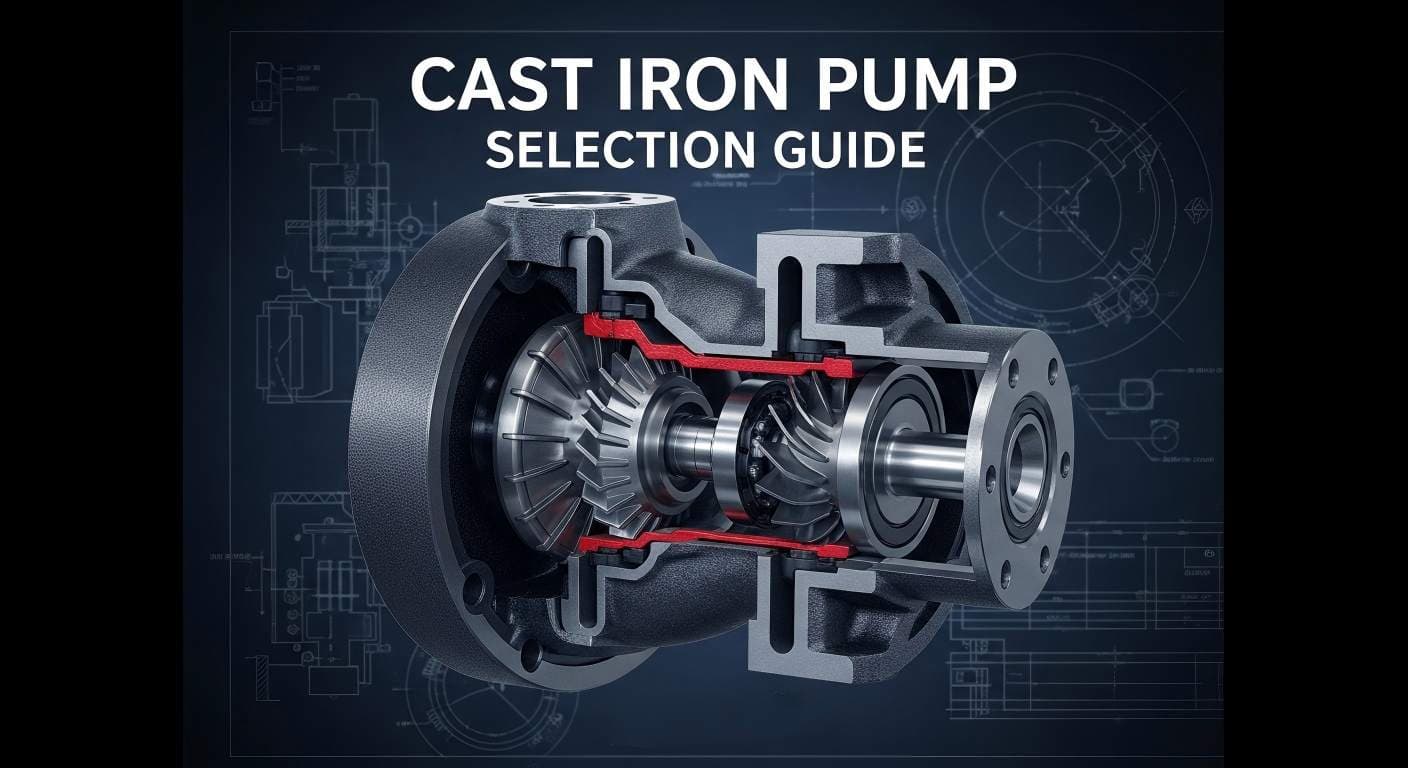
Cast Iron Pump Selection Guide
Omron Tech Pumps provides professional support for cast iron pump selection. In the petrochemical production system, as the most widely used and cost-effective basic conveying equipment, cast iron pumps are indispensable "conveying experts" in industrial plants, responsible for conveying crude oil, clean water, light oil and other materials under neutral medium and conventional working conditions. According to statistics, cast iron pumps account for more than 40% of pumps used in petrochemical industry. With the advantages of low material cost, simple structure and convenient maintenance, they are the first choice for small and medium-sized petrochemical enterprises and conventional conveying scenarios.