News
We are glad to share with you about the results of our work, company news, and give you timely developments and personnel appointment and removal conditions.
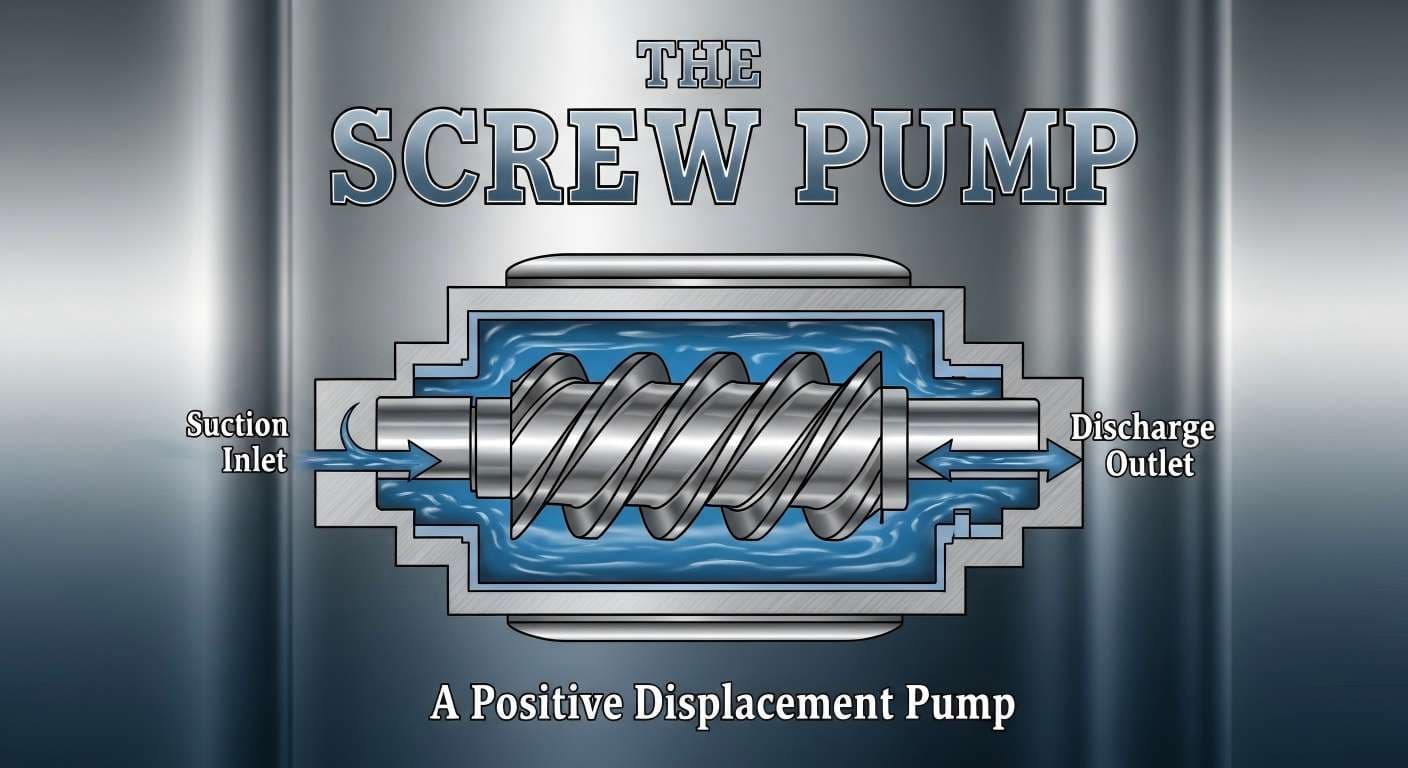
What Type of Pump is a Screw Pump
This article clarifies that screw pumps are positive displacement rotary pumps, explains their classification basis, advantages, applications, and introduces services of Omron Tech Pumps and Pate Pump Industry.

Oil & Gas Pump Maintenance: Practical Strategies for Minimizing Unplanned Downtime
In the oil and gas industry, pump failures translate directly into production losses and safety risks. Unlike other rotating equipment, process pumps often operate at the heart of critical pathways—failure means complete facility shutdown. With years of industry practice and experience in the field of oil and gas equipment maintenance, Omron Tech Pumps provides actionable maintenance strategies in this article that reduce unplanned downtime without requiring excessive inventory or over-maintenance, helping industry enterprises achieve efficient and safe operation and maintenance.
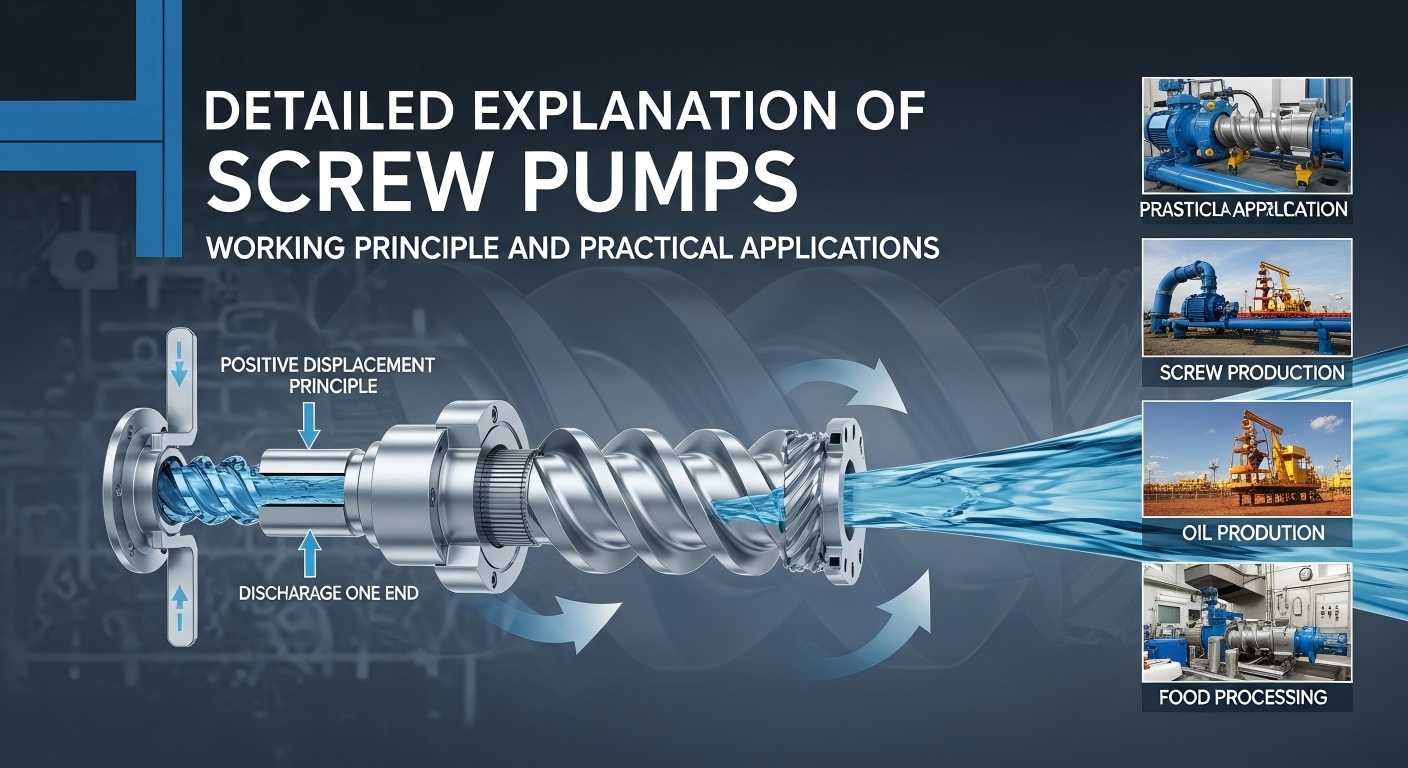
Detailed Explanation of Screw Pumps
Screw pumps are one of the oldest and most reliable positive displacement pump technologies in the industrial fluid handling sector. Their full product range, including single-screw, twin-screw, and triple-screw pumps, is widely used in oil and gas, chemical, marine, and other industries. These pumps have gained global customer recognition for their reliable performance and customized solutions. Despite their simple structure, many engineers lack a thorough understanding of their working principle and selection applications. This article provides a detailed explanation based on Omron Tech Pumps engineering practice to support equipment selection decisions and maximize the optimal performance of screw pumps.
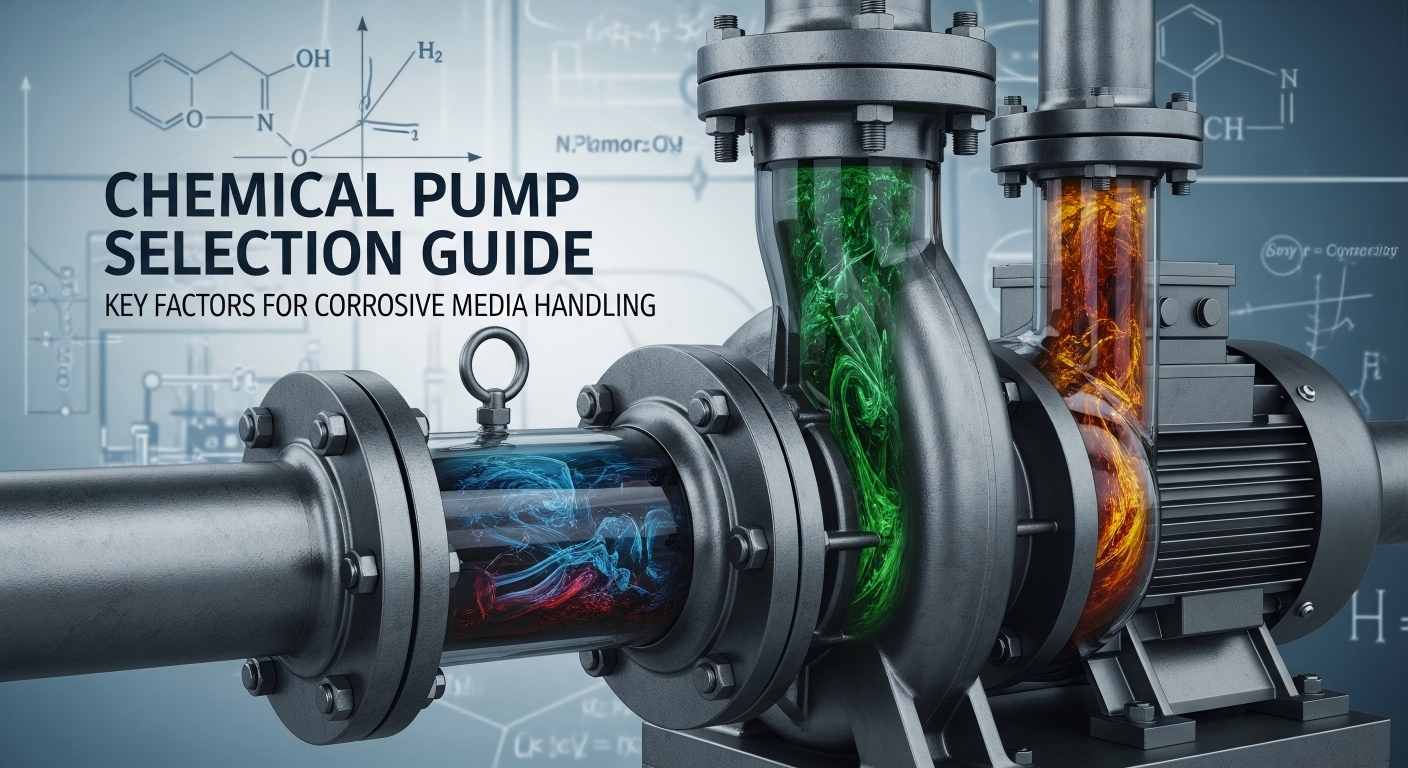
Chemical Pump Selection Guide: Key Factors for Corrosive Media Handling
Selecting the right pump for chemical working conditions is never a simple task. Improper selection will lead to frequent equipment failures, high downtime costs, and potential safety hazards. This guide systematically summarizes the critical factors that engineers and procurement personnel must consider when selecting pumps for corrosive, hazardous and temperature-sensitive media.
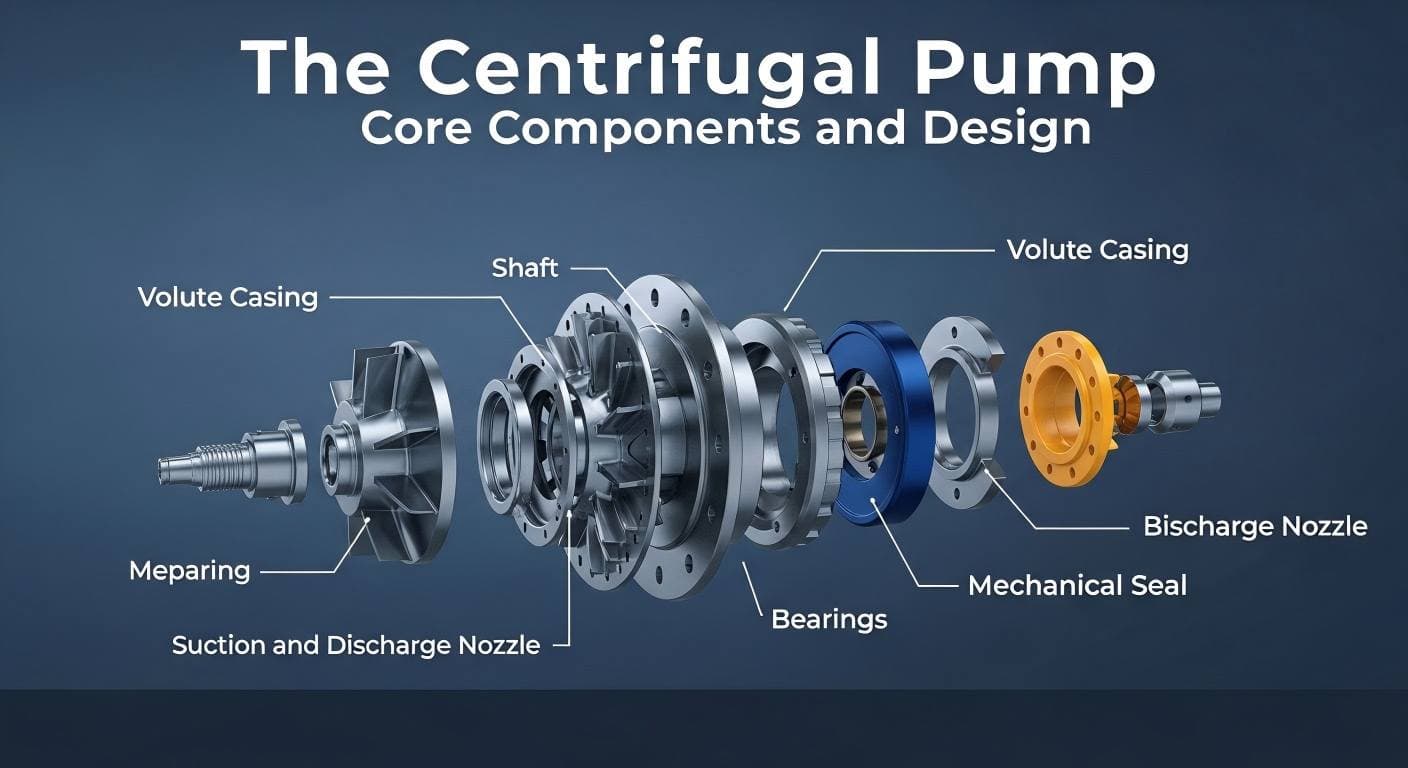
What are the Core Components of a Centrifugal Pump?
In the grand landscape of fluid machinery, Omron Tech Pumps has long been deeply engaged in the field of centrifugal pumps. Centrifugal pumps occupy a dominant position due to their simple structure and wide application range. Although there is a wide variety of centrifugal pumps, ranging from miniature household booster pumps to giant industrial drainage stations with vastly different appearances, their core "organs" are strikingly similar when their casings are removed.
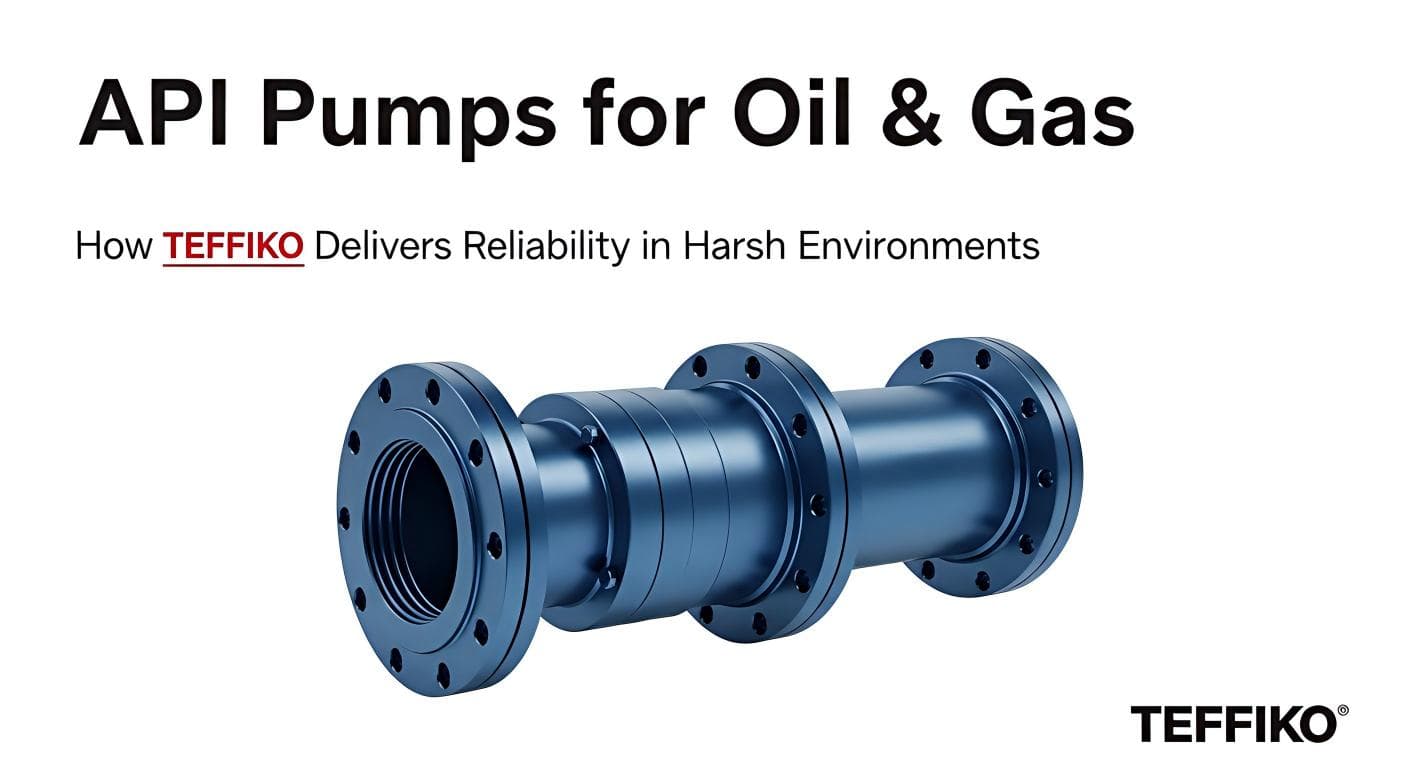
API Pumps for Oil & Gas: How Omron Tech Pumps Delivers Reliability in Harsh Environments
The oil and gas industry demands precision. When pipelines stretch across desert heat or offshore platforms battle corrosive saltwater, every component must perform without compromise. At Omron Tech Pumps, we understand this better than most—with over two decades of experience manufacturing centrifugal and screw pumps that meet the strictest API standards, we've become the partner of choice for energy companies operating in the world's most demanding environments.
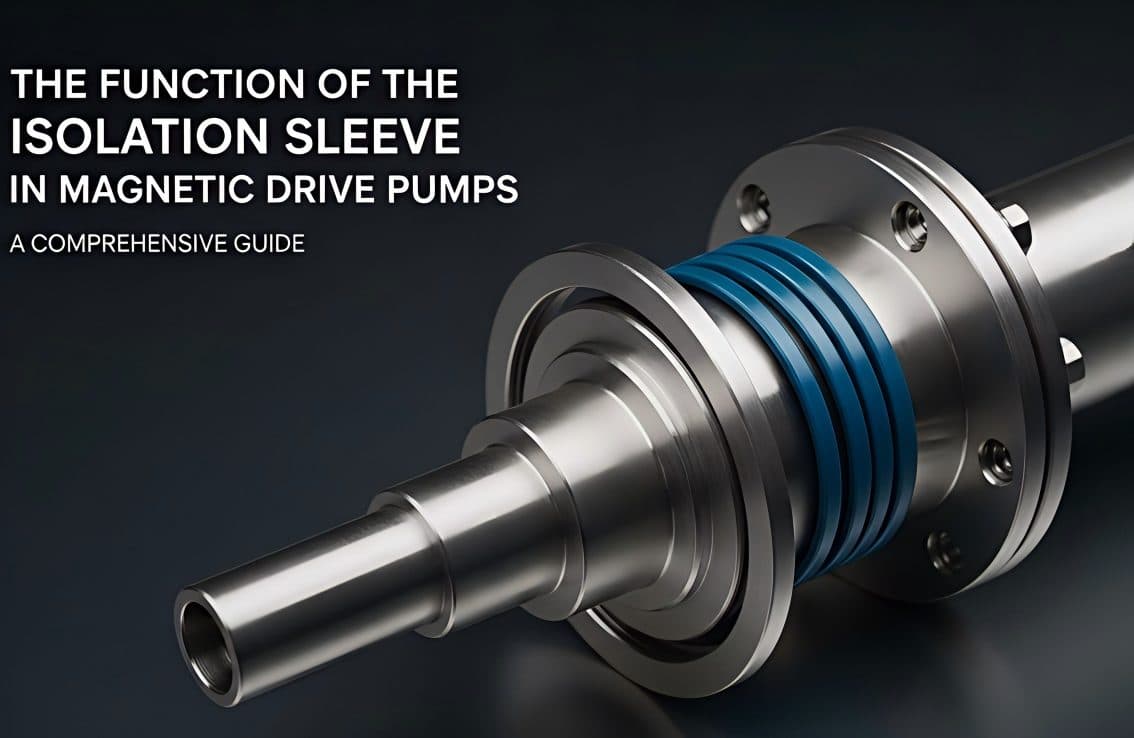
The Function of the Isolation Sleeve in Magnetic Drive Pumps
In modern industrial production, especially in applications handling corrosive, toxic, flammable, explosive or high-purity media, the sealing performance of pumps is critical. Conventional pumps with mechanical seals often suffer from media leakage due to seal failure, which not only causes material loss but also may lead to environmental pollution, safety incidents and even casualties. The emergence of magnetic drive pumps has completely changed this situation, and one of its core secrets lies in its unique isolation sleeve design.
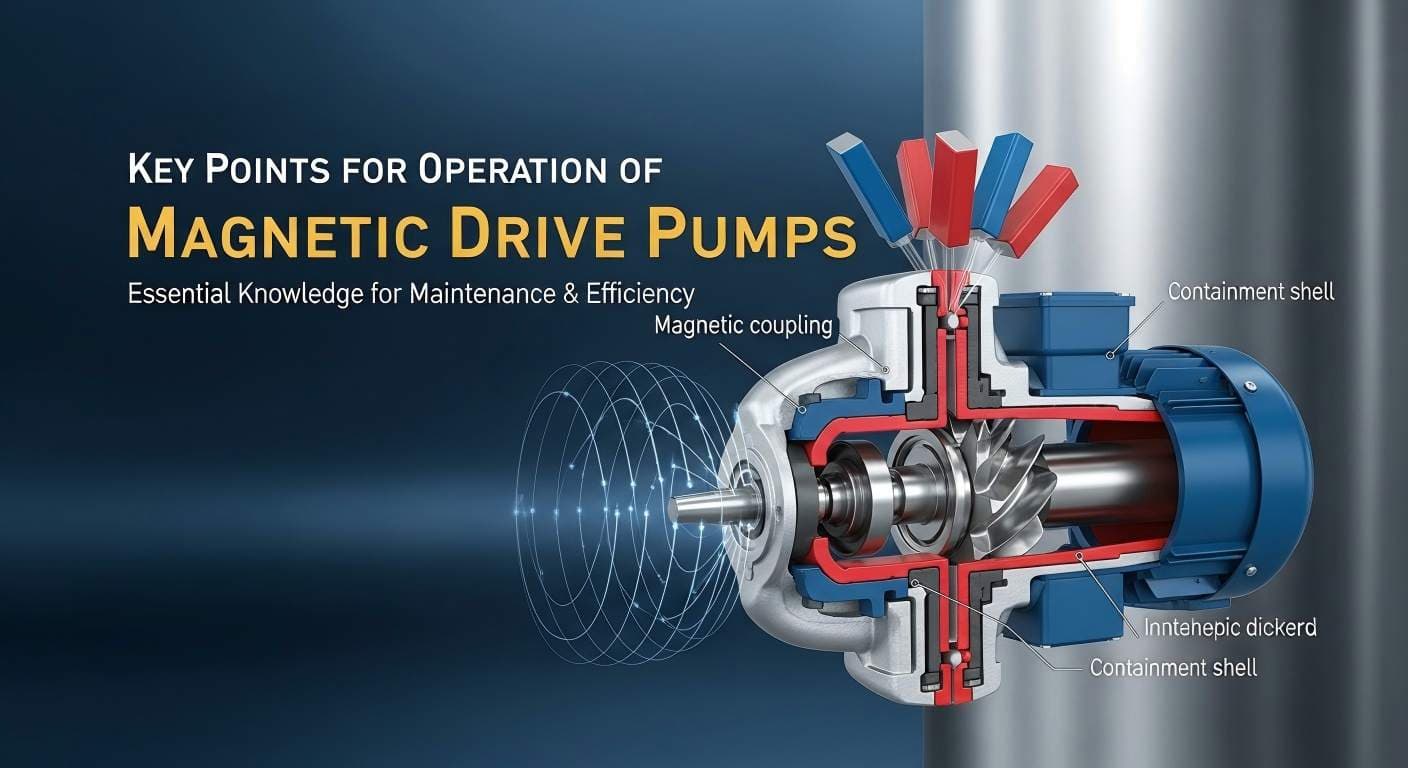
Key Points for Operation of Magnetic Drive Pumps
In the field of chemical fluid transportation, Omron Tech Pumps fluorine-lined magnetic drive pumps combine the mechanical impact resistance of a metal casing with the corrosion resistance of a fluoroplastic liner, making them an ideal choice for handling hazardous media such as strong acids and alkalis. As a researcher with long-term experience in fluid transfer systems, I will summarize the core operational precautions for magnetic drive pumps from the perspectives of fluid mechanics, materials science, and field maintenance experience.
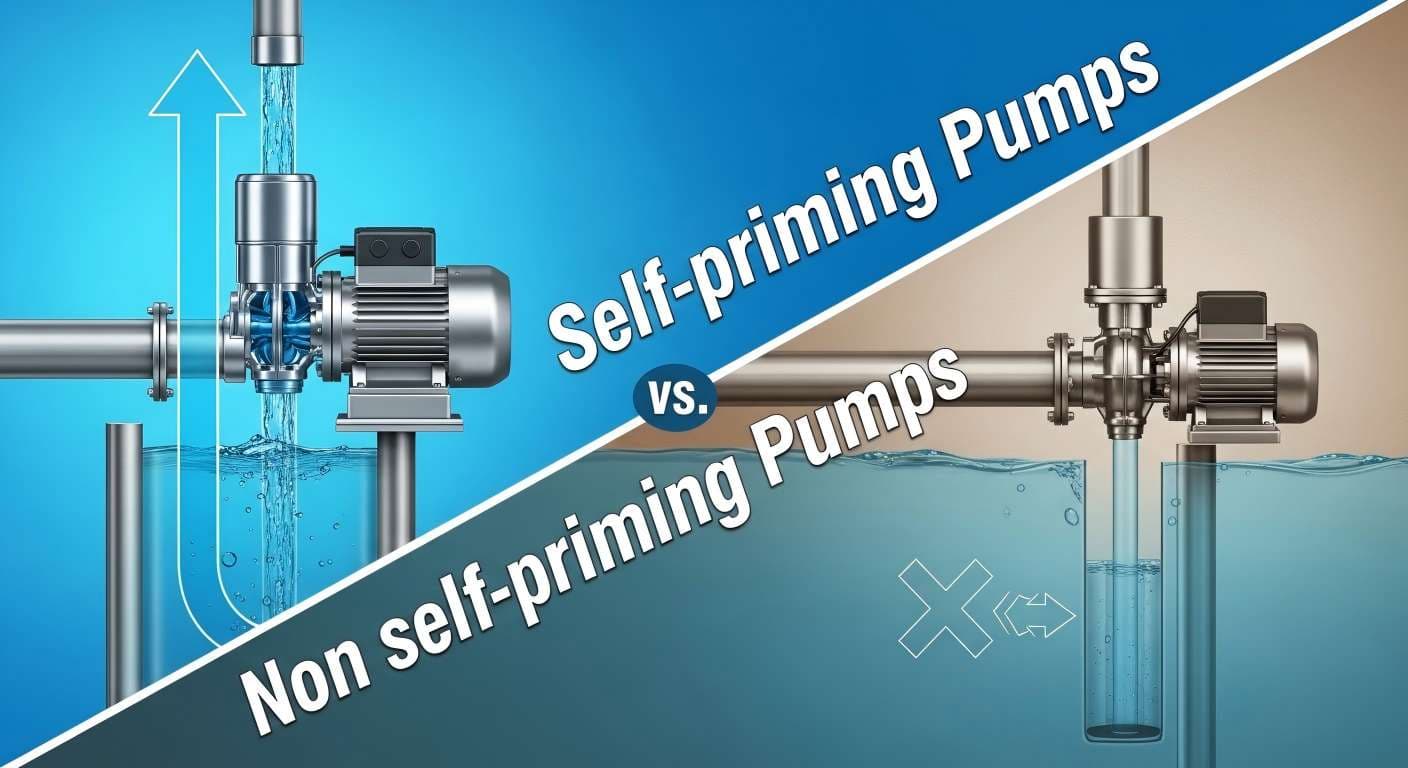
Self-priming Pumps vs. Non-self-priming Pumps
Many engineers often face a core question during model selection: should they choose a standard centrifugal pump or a self-priming pump with "self-priming" capability? Although the two may look similar in appearance, their internal structures and startup logic are vastly different. This article, combined with Omron Tech Pumps's technical expertise, provides an in-depth analysis of the essential differences between the two.
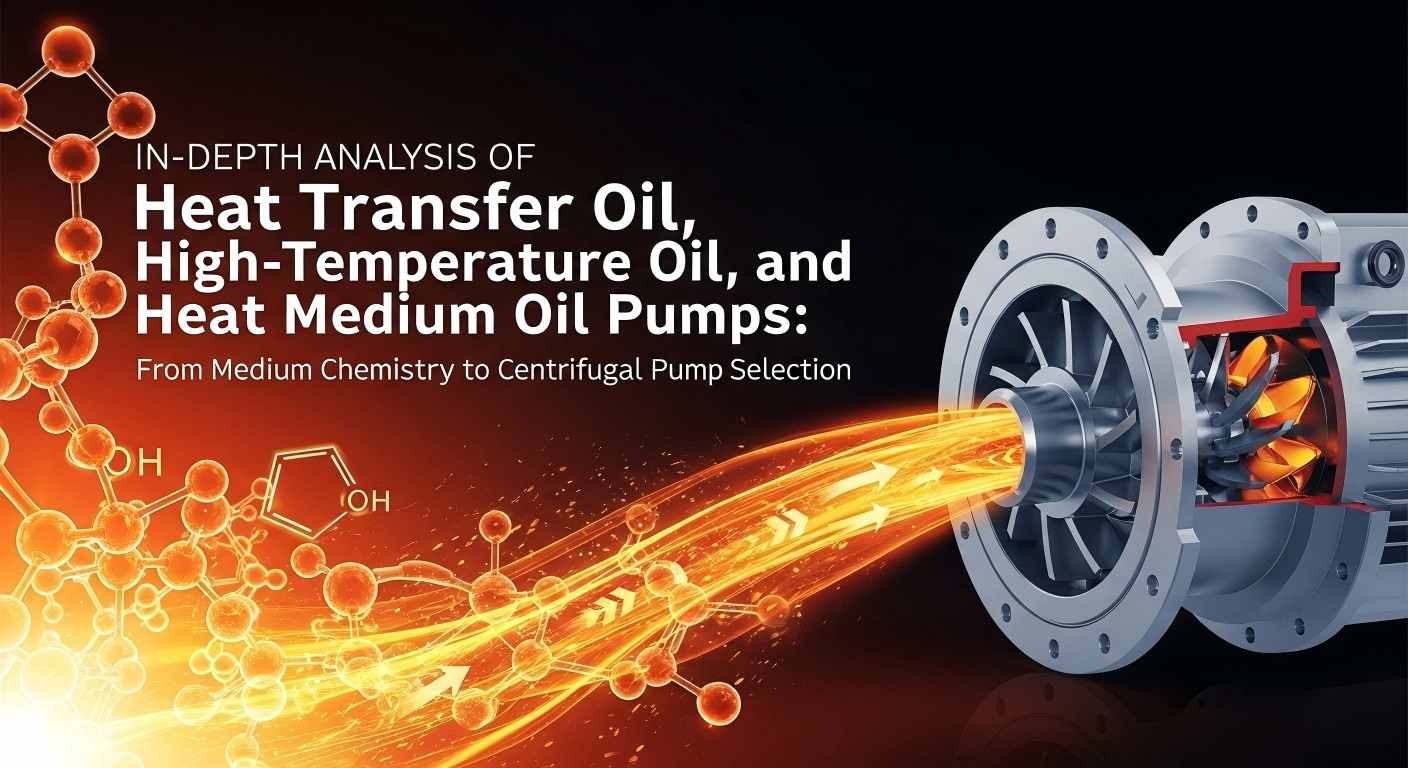
In-depth Analysis of Heat Transfer Oil, High-Temperature Oil and Heat Medium Oil Pumps: From Medium Chemistry to Centrifugal Pump Selection
In the field of industrial heat transfer, hot oil systems, high-temperature oil and heat transfer pumps form the "iron triangle" of modern process heating. Although these terms are often used interchangeably, they represent a complete technical chain from medium and operating conditions to equipment. Understanding the essential differences and synergistic relationships among the three is the key to optimizing system efficiency and ensuring operational safety.