
News
We are glad to share with you about the results of our work, company news, and give you timely developments and personnel appointment and removal conditions.
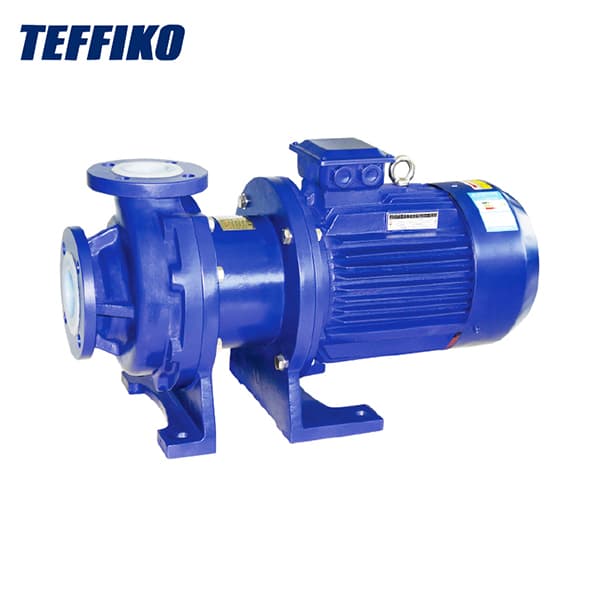
Differences between Centrifugal Pumps and Magnetic Pumps
In the field of fluid transportation, centrifugal pumps and magnetic pumps are widely used. There are significant differences between the two in terms of working principles, structures, performance, and application scenarios. Understanding these differences is helpful for making the right choices in practical applications.
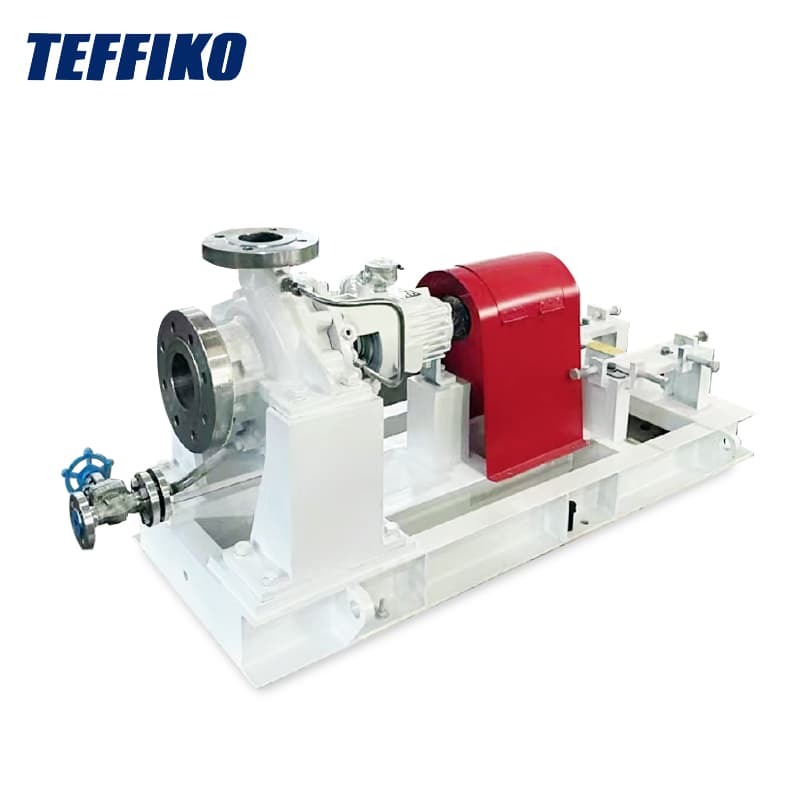
Centrifugal Pumps: The Trade-off between Sealed and Unsealed Designs
In the industrial field, centrifugal pumps serve as core equipment for fluid transportation. Whether they are sealed or not represents a crucial decision - making point, which involves numerous complex factors such as operating efficiency, safety assurance, and maintenance costs.
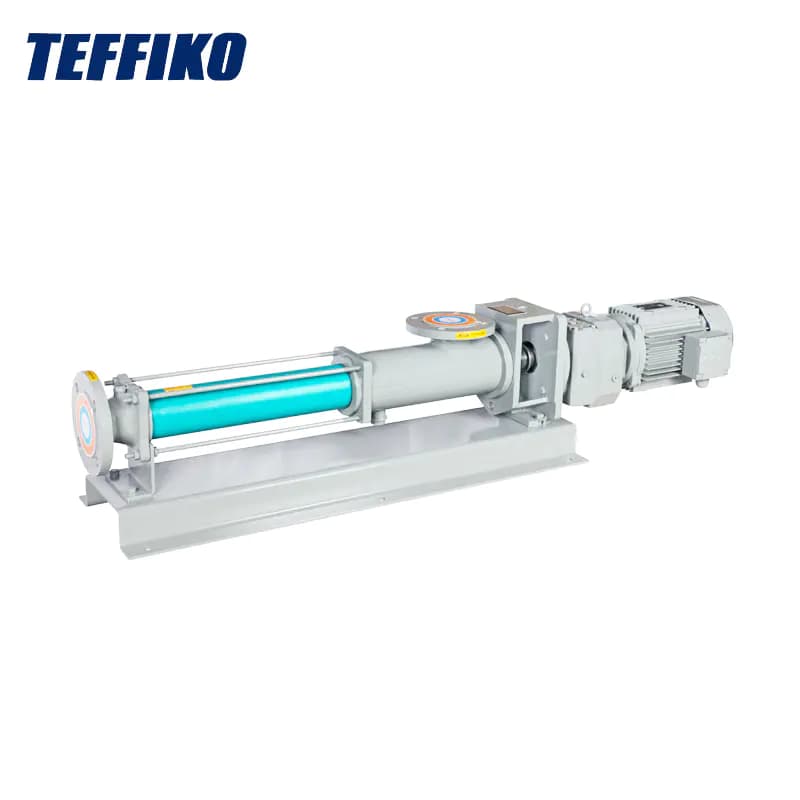
Why Should Open Top Type Single Screw Pumps Be Your GoTo for Tough Industrial Jobs?
If you're after a pump that's tough, efficient, and built to last, the Open Top Type Single Screw Pump should be at the top of your list.
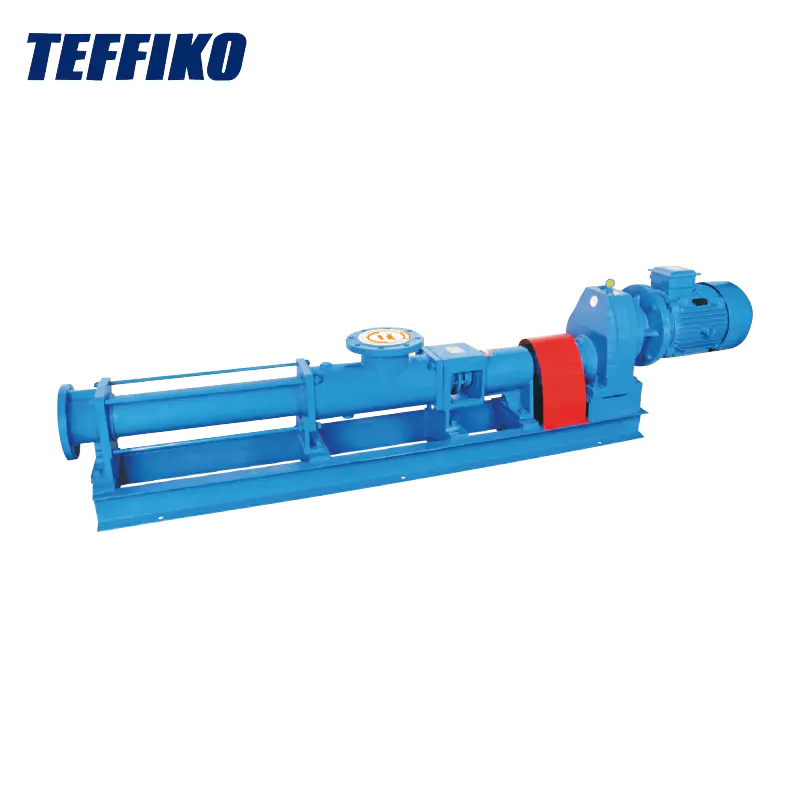
Why Are General Type Single Screw Pumps the Smart Solution for Complex Industrial Fluids?
Omron Tech Pumps’s General Type Single Screw Pumps are made to handle tough jobs, cut down on costs, and help your system run more efficiently.
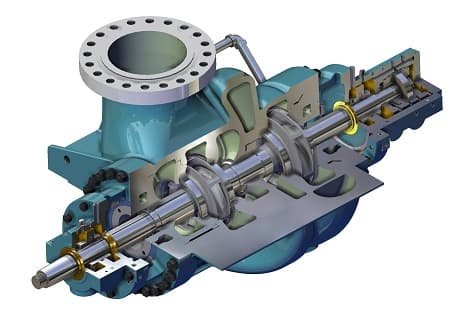
How Does a Pump Work?
As a core fluid handling equipment in industry, centrifugal pumps operate through sophisticated energy conversion principles. This article analyzes key processes including priming, impeller energy transfer, and volute pressure conversion to help readers master equipment selection and operational maintenance.
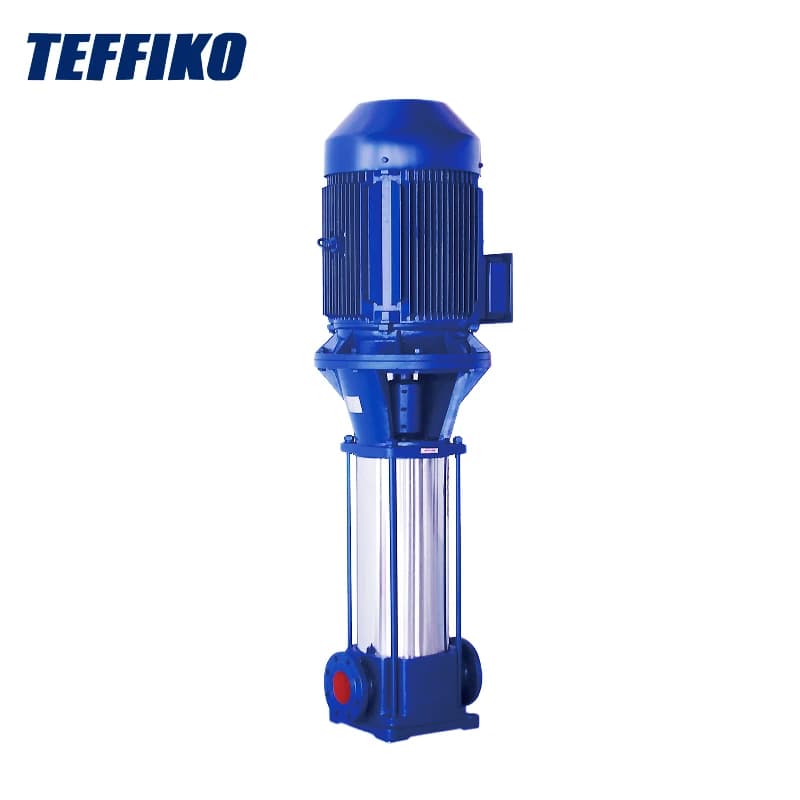
Is the Vertical Fire Fighting Centrifugal Pump the Space-Saving Solution Your System Needs?
Meet the Vertical Multistage Fire Fighting Centrifugal Pump—a smart solution that combines the core advantages of traditional multistage pumps with the practicality of a modern pipeline design.
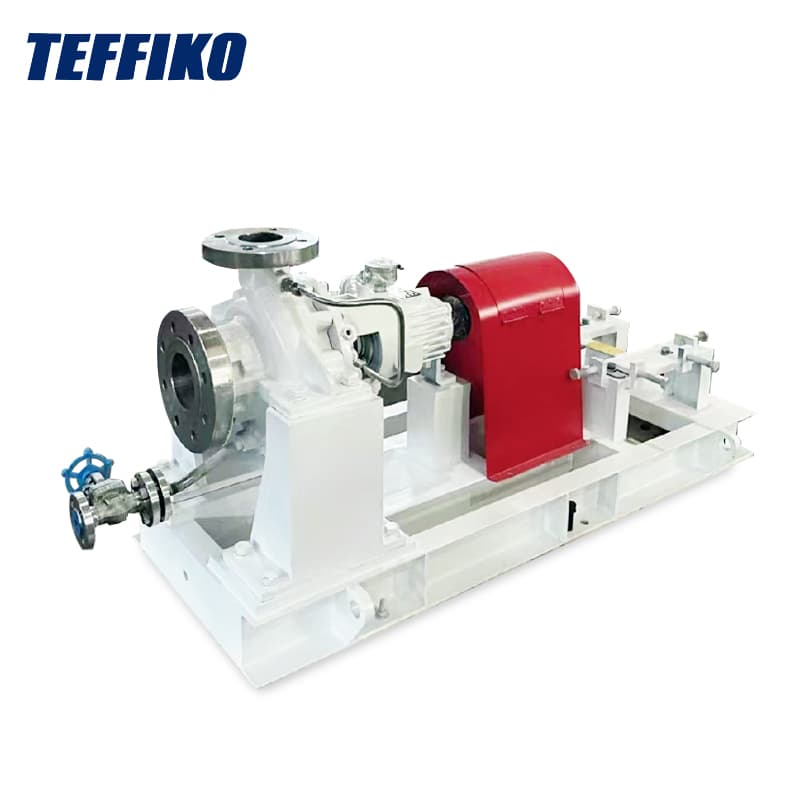
Calculation of Centrifugal Pump Flow Rate
The flow rate (Q) of a centrifugal pump is a key parameter for measuring its conveying capacity, which directly affects the system design and operation efficiency. This article will deeply analyze the flow rate calculation formulas, influencing factors, and engineering calculation methods to help engineers make accurate selections and optimize operations.
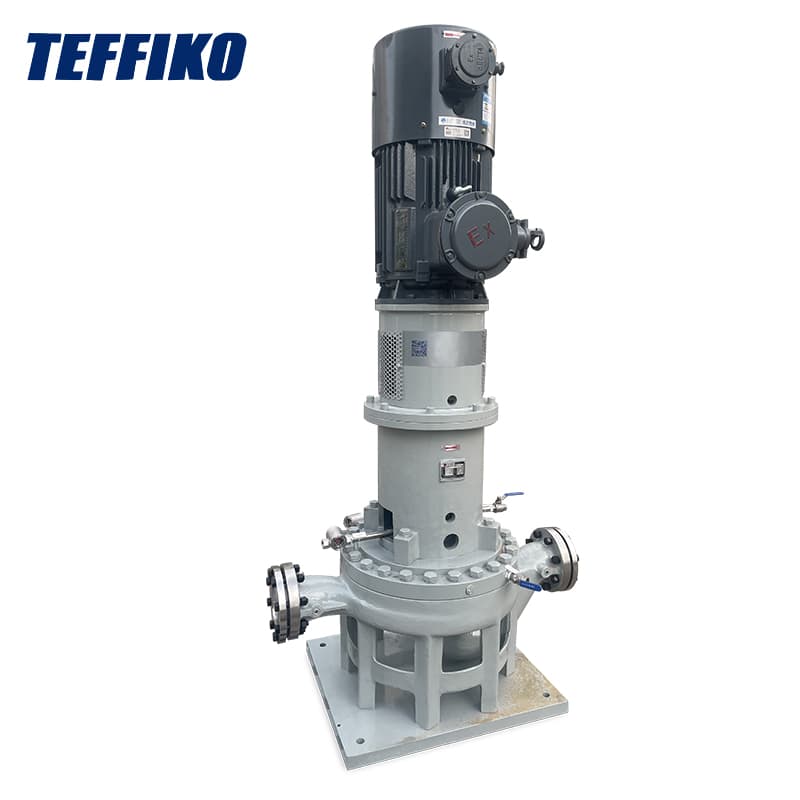
Understand the Advantages and Disadvantages of Centrifugal Pumps in One Article
In the field of industrial fluid transportation, you usually often come across centrifugal pumps. Thanks to their unique structure and high performance, they are very popular in industries such as chemical engineering, energy, and environmental protection. However, they are not all - purpose. Next, let's talk in detail about the advantages and disadvantages of centrifugal pumps to help you avoid pitfalls when choosing equipment.
Global energy giants adopt new generation API centrifugal pump technology
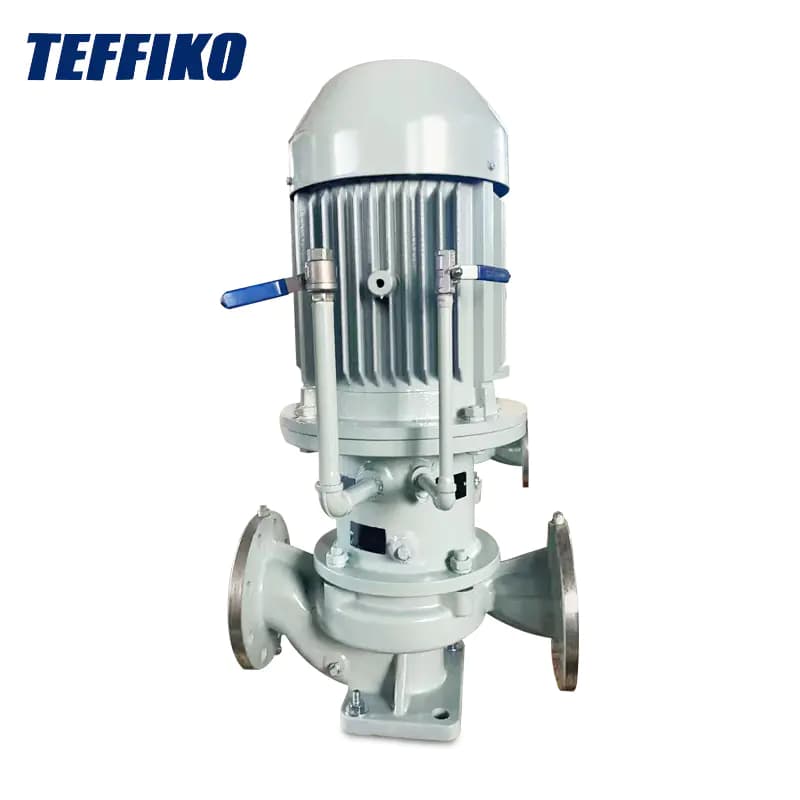
Global petrochemical industry accelerates equipment upgrades, API centrifugal pumps become key driving force As the global energy industry's demand for safety and sustainability increases, high-performance centrifugal pumps that meet the standards of the American Petroleum Institute (API) have become a hot spot in the industrial field. Recently, a new generation of API 610 standard centrifugal pump series has been launched and has been adopted by a large refinery in the Middle East and a shale gas mining company in North America. It is expected to reduce the equipment failure rate by more than 30%.
Introduction to Vertical Centrifugal Pumps
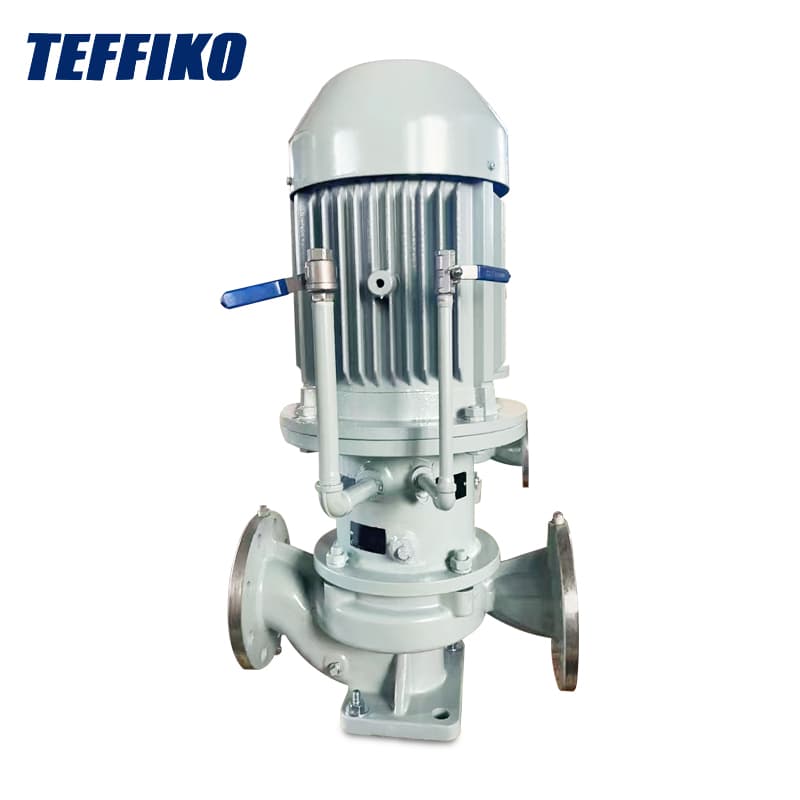
Vertical centrifugal pumps play a crucial role in the transportation of various liquids in the industrial field and can be found in industries such as chemical engineering, energy, and water conservancy.