
News
We are glad to share with you about the results of our work, company news, and give you timely developments and personnel appointment and removal conditions.
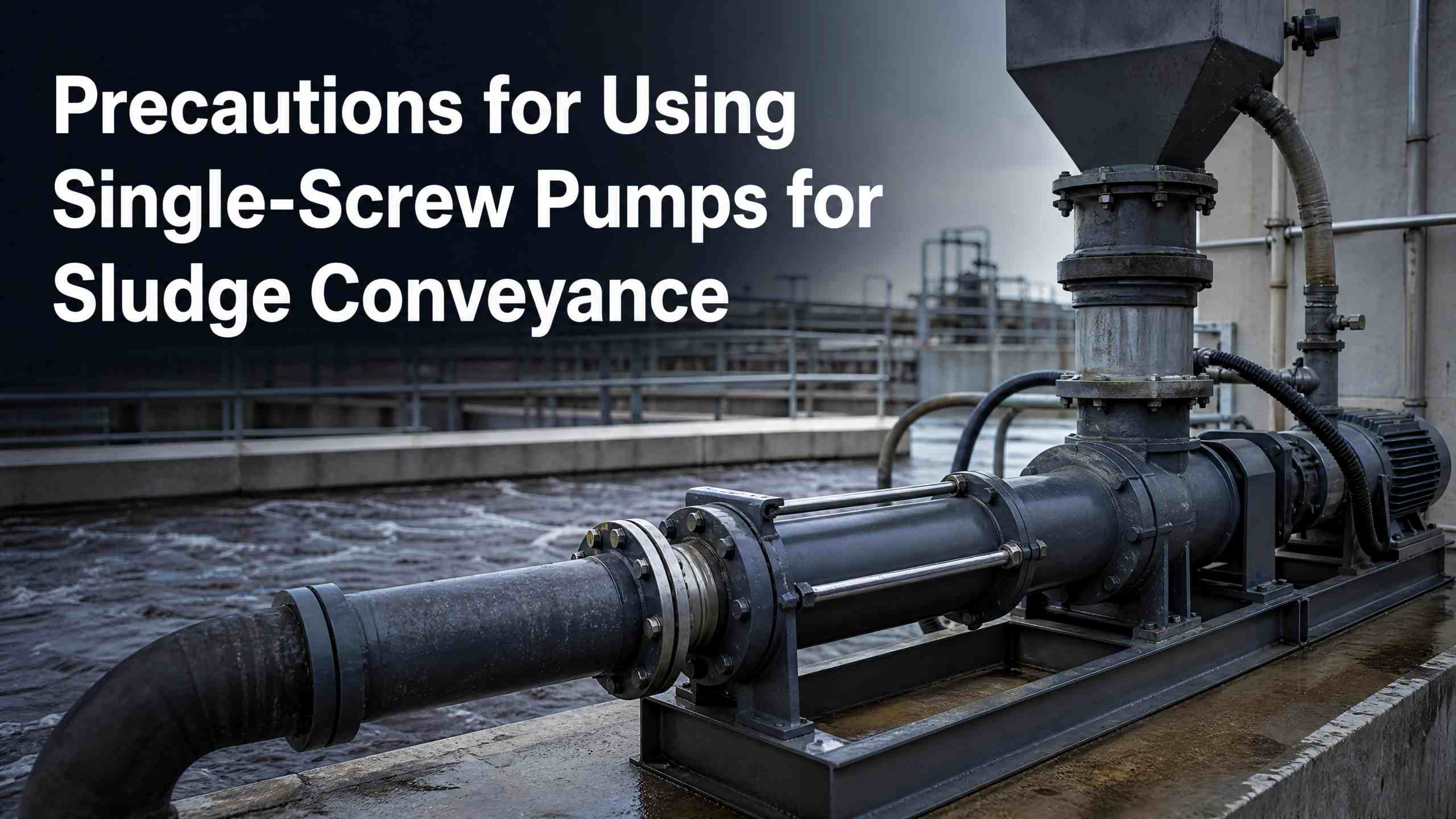
Precautions for Using Single‑Screw Pumps for Sludge Conveyance
Type‑G single‑screw pumps excel in sludge transport with stable flow and good self‑priming capacity. Faced with impurity‑rich, variable‑viscosity sludge, wrong use causes blockage and component damage. Omron Tech Pumps sums up key precautions for standardized operation and longer service life.
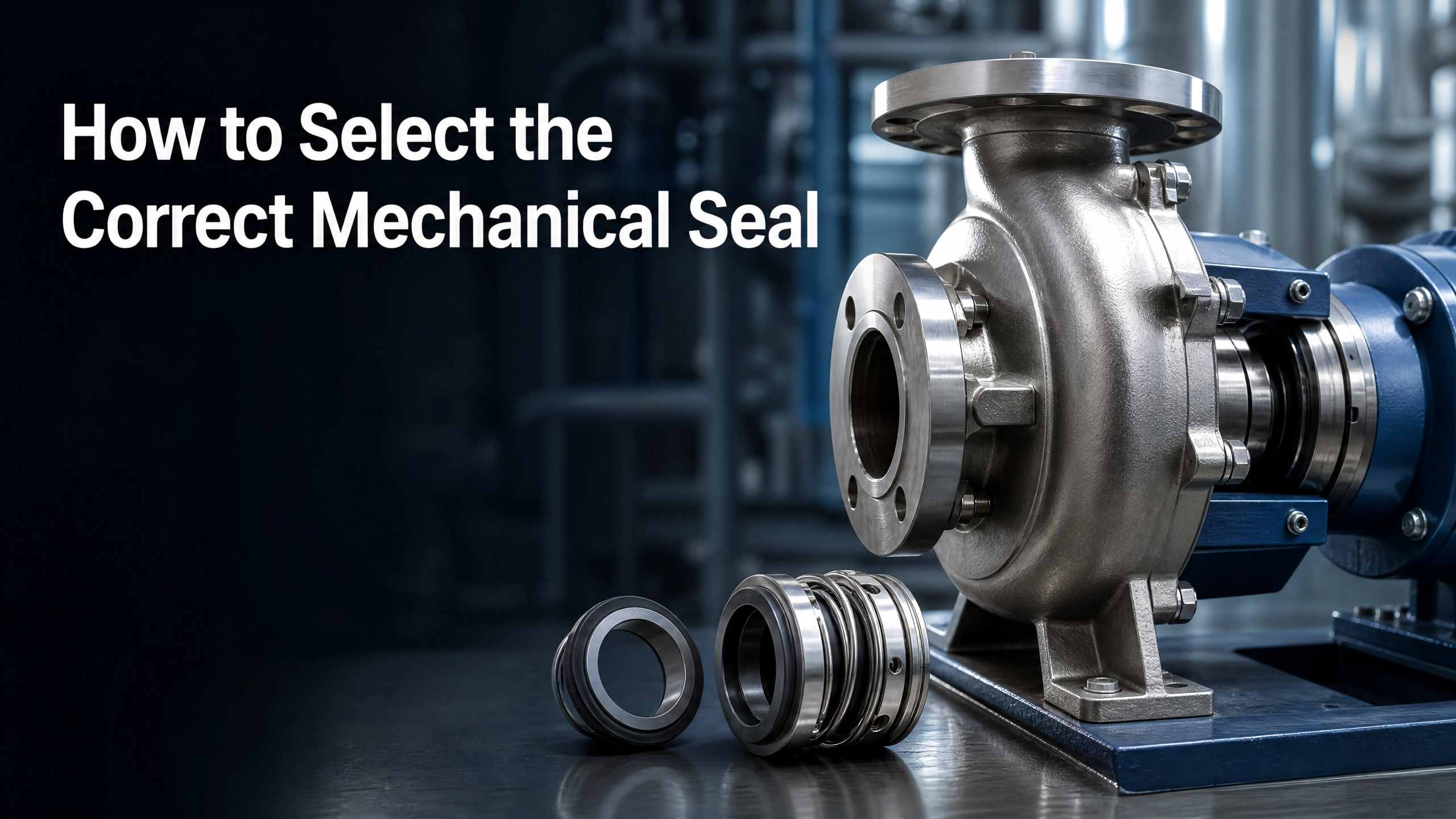
How to Select the Correct Mechanical Seal
Mechanical seals are core sealing components for fluid‑handling equipment such as centrifugal pumps, reaction synthesis kettles, turbo‑compressors and submersible motors, ensuring leak‑free and stable equipment operation. Nevertheless, their performance and service life depend not only on the product itself but also heavily on selection matching, installation precision and operation‑maintenance practices. Industry statistics show that over 80 % of seal leakage, premature failure and frequent replacement issues stem from improper selection, non‑standard installation or operational errors. Combining industry standards with field practical experience, Omron Tech Pumps addresses precise type‑selection and installation‑precision control to achieve more reliable and efficient equipment operation.
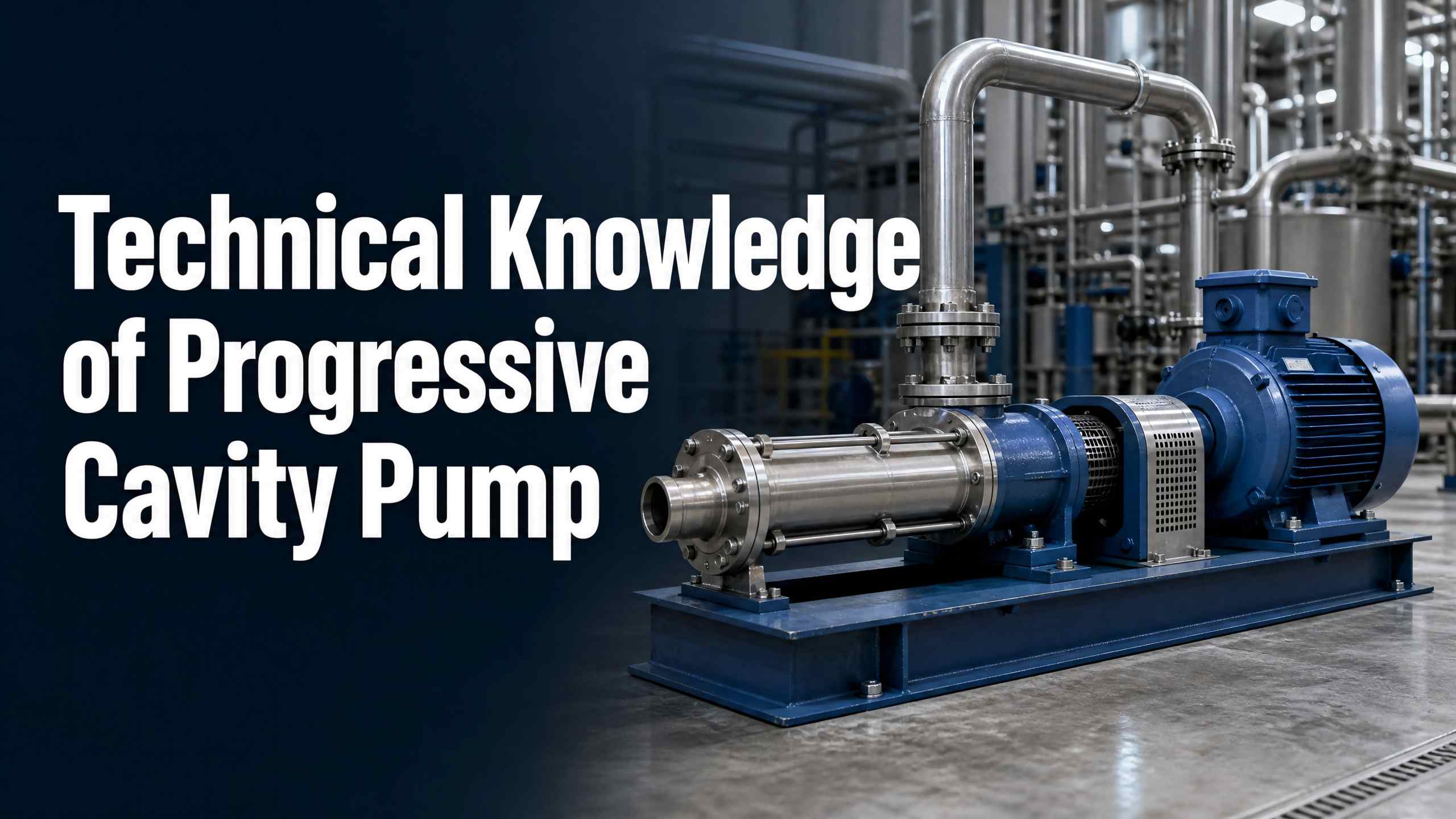
Technical Knowledge of Progressive Cavity Pump
The Omron Tech Pumps progressive cavity pump is a positive‑displacement conveying equipment. It consists of an eccentric helical rotor mated with a double‑helical surface bushing (stator) to form closed cavities for medium displacement. It features stable pulsation‑free flow, low shear force, strong self‑priming capacity and broad medium compatibility. It is especially suitable for conveying high‑viscosity media, media containing hard particles, fibrous materials and shear‑sensitive substances prone to tearing.

What Pump Is Suitable for Crude Oil Transportation? Comparison of Various Crude Oil Transfer Pump Selections
Crude oil transfer pumps are critical equipment in oilfield production, refineries, storage depots, and oil-gas transportation. Due to crude oil's unique properties — wide viscosity range, impurities, flammability, explosiveness, and large temperature fluctuations — ordinary water pumps cannot meet the demands. So how do you select the right pump for different working conditions?
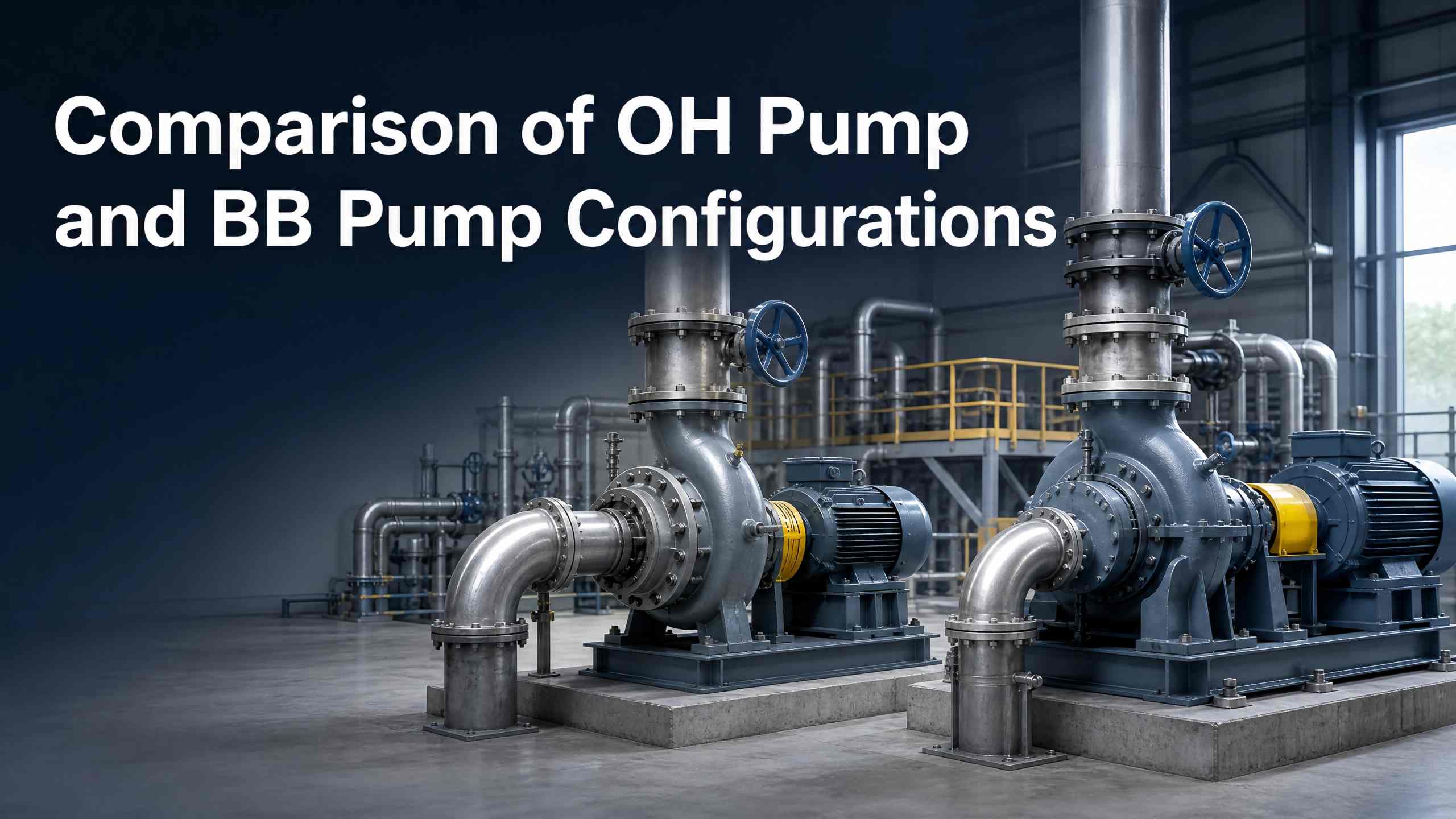
Comparison of OH Pump and BB Pump Configurations
API 610 serves as the core general standard for horizontal centrifugal pumps in petrochemical, oil‑gas and chemical industries. This standard classifies industrial centrifugal pumps into three core configurations: OH overhung pumps, BB between‑bearings pumps, and VS vertical suspended pumps. With years of in‑depth R&D and manufacturing expertise in API 610‑compliant pumps, Omron Tech Pumps delivers highly reliable fluid‑transport solutions for diverse industries through standardized structural design and rich experience in adapting to demanding operating conditions.

What Are the Uses of Liquid Ring Vacuum Pumps? A Full Analysis of Core Application Fields
Many industrial users ask about the practical uses of liquid ring vacuum pumps during equipment selection. As reliable industrial vacuum equipment, Omron Tech Pumps liquid ring vacuum pumps adopt a unique structure suitable for humid, dusty and corrosive working conditions, outperforming traditional screw and rotary vane pumps. Designed for rough vacuum applications, they provide stable oil-free negative pressure and basic gas compression for chemical, pharmaceutical, food, power and light industry processes. This article by Omron Tech Pumps systematically introduces their working principles, core advantages, system types, industrial applications and maintenance tips.
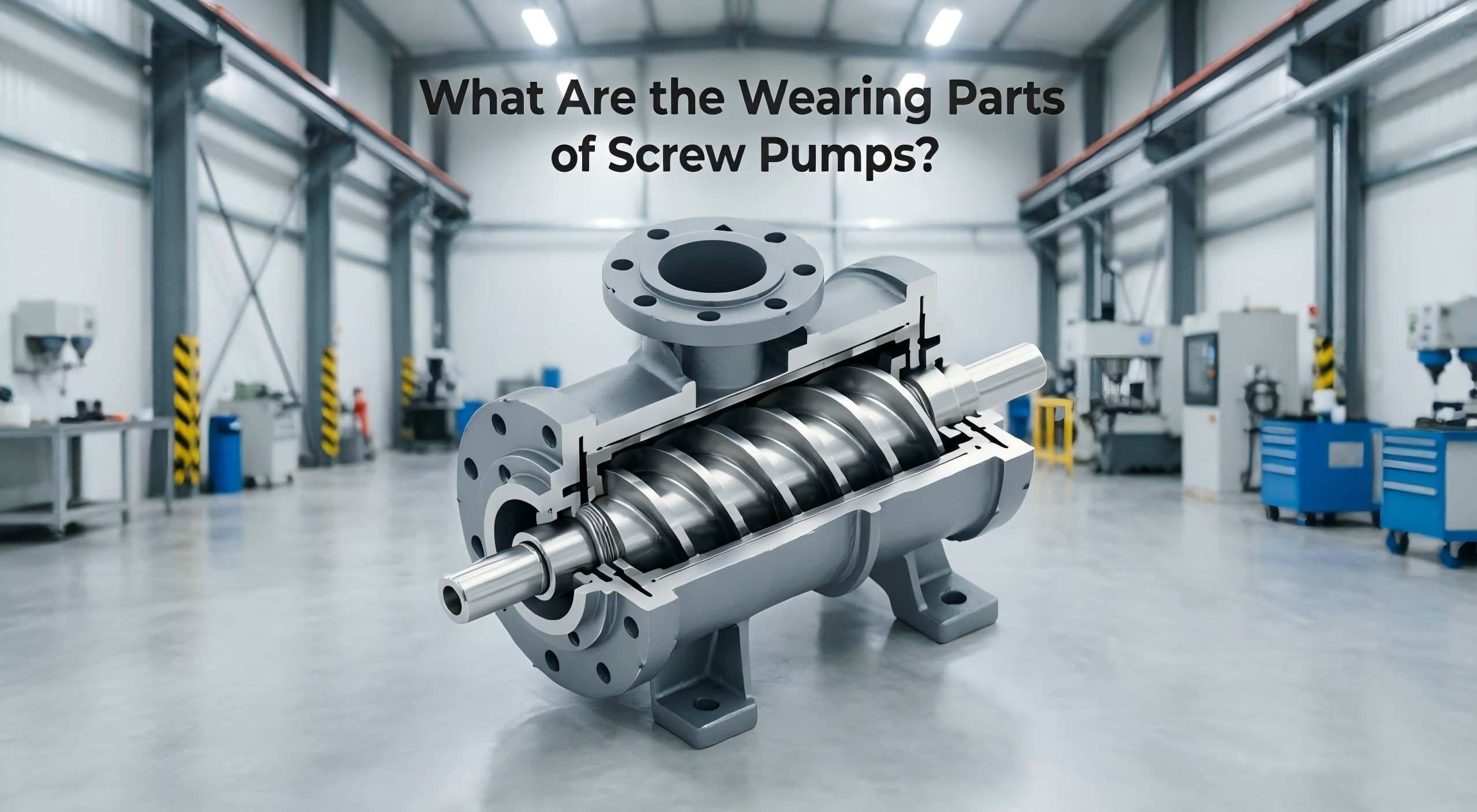
What Are the Wearing Parts of Screw Pumps?
As a mainstream industrial positive‑displacement conveying equipment, Omron Tech Pumps screw pumps feature stable operation, pulse‑free delivery and strong medium adaptability. They are widely used in sewage treatment, chemical industry, food processing, petroleum, building materials and many other industries. Screw pumps rely on precise coordination of components to form closed chambers for medium delivery. Under long‑term operation, components suffer wear and failure due to friction, corrosion, dry‑running and pressure shock. To effectively reduce equipment failures, avoid downtime losses and cut operation‑and‑maintenance costs, it is critical to master the list of wearing parts, their wear characteristics and standardized maintenance practices.
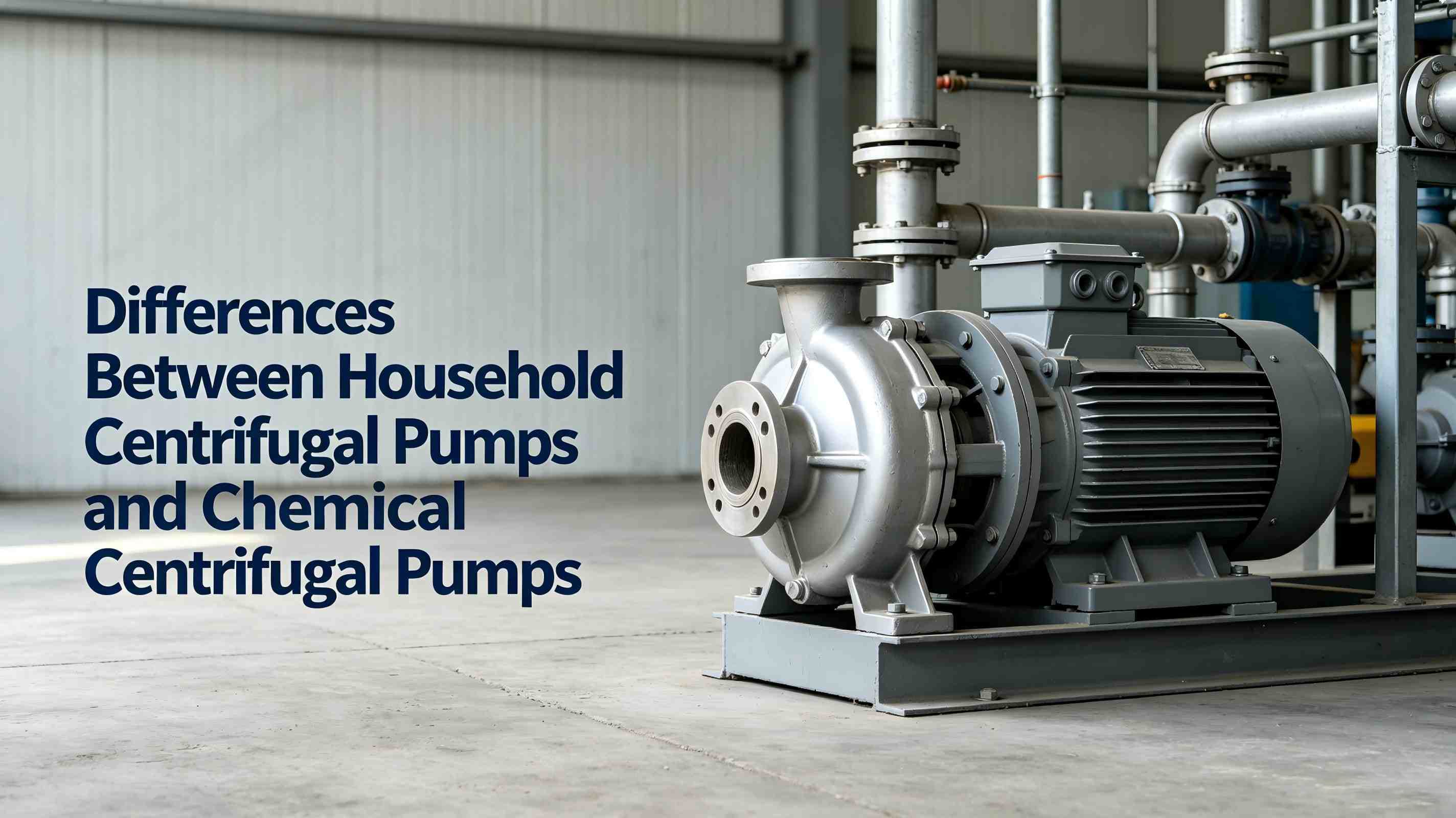
Differences Between Household Centrifugal Pumps and Chemical Centrifugal Pumps
In the selection and practical application of centrifugal pumps, household centrifugal pumps and chemical centrifugal pumps are often confused and arbitrarily replaced by users, triggering failures such as equipment damage, pipeline bursting and medium leakage. As a professional pump‑valve equipment brand Omron Tech Pumps, we clarify that the two types of pumps have essential differences in material‑processing technology, sealing technology, structural design and working‑condition adaptability. Combining accurate parameters and practical working conditions, this paper elaborates on their differences to help users select models scientifically and avoid risks caused by mixed use.
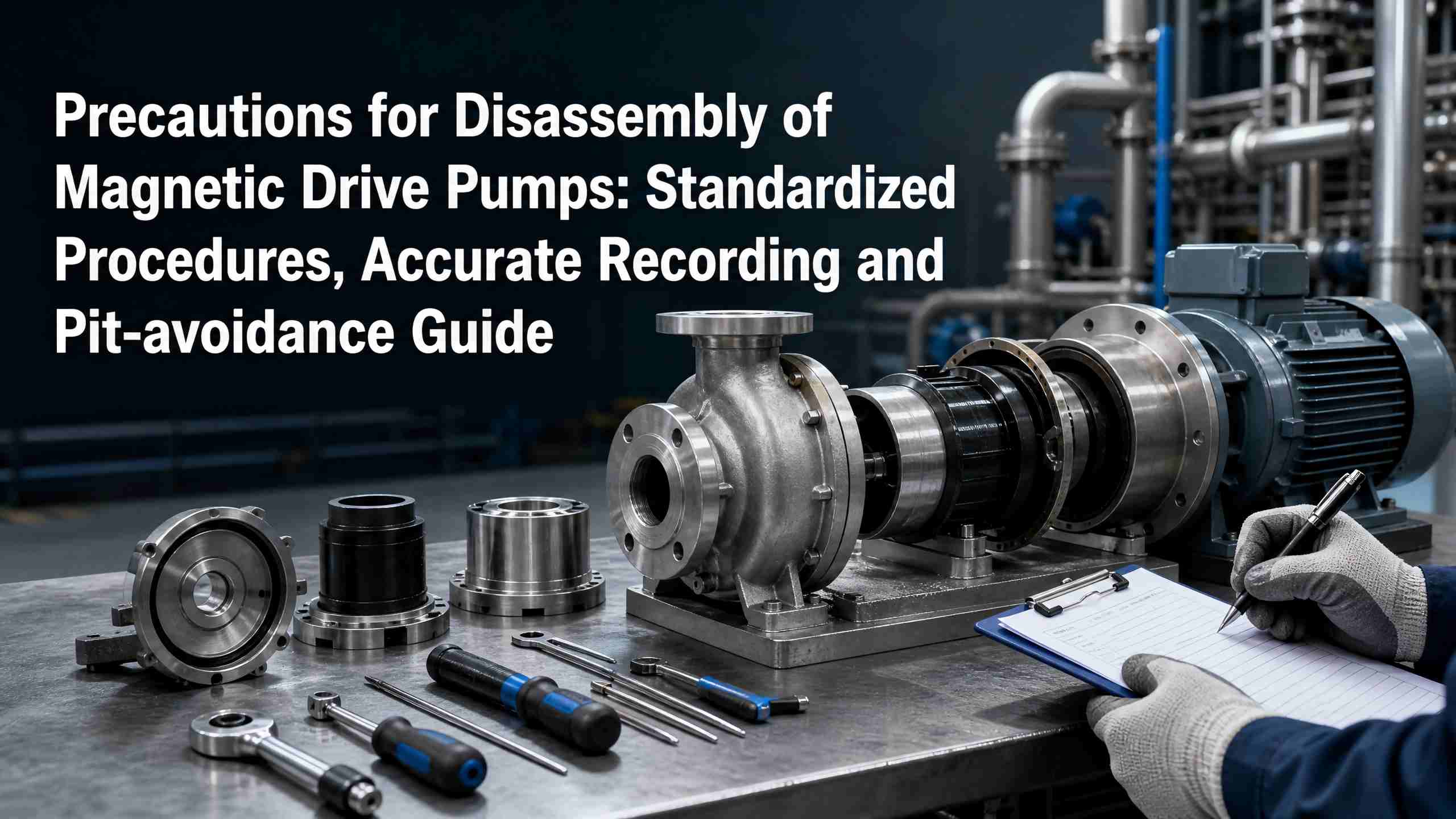
Precautions for Disassembly of Magnetic Drive Pumps: Standard Procedures, Accurate Recording & Pit‑avoidance Guide
Magnetic drive pumps feature seal‑free, zero‑leakage and high‑safety performance, and are widely used in chemical, pharmaceutical, environmental protection, petroleum and other industries for hazardous fluid transportation. Different from conventional centrifugal pumps, they adopt magnetic coupling transmission, equipped with high‑precision parts including ceramic shafts, graphite bearings, containment shells and impellers. Many rework faults, abnormal noise, medium leakage and rotor unbalance are not caused by natural aging, but by irregular disassembly, missing records and mis‑placement of components. Standard disassembly procedures, complete data recording and proper part protection are critical for magnetic drive pump maintenance.
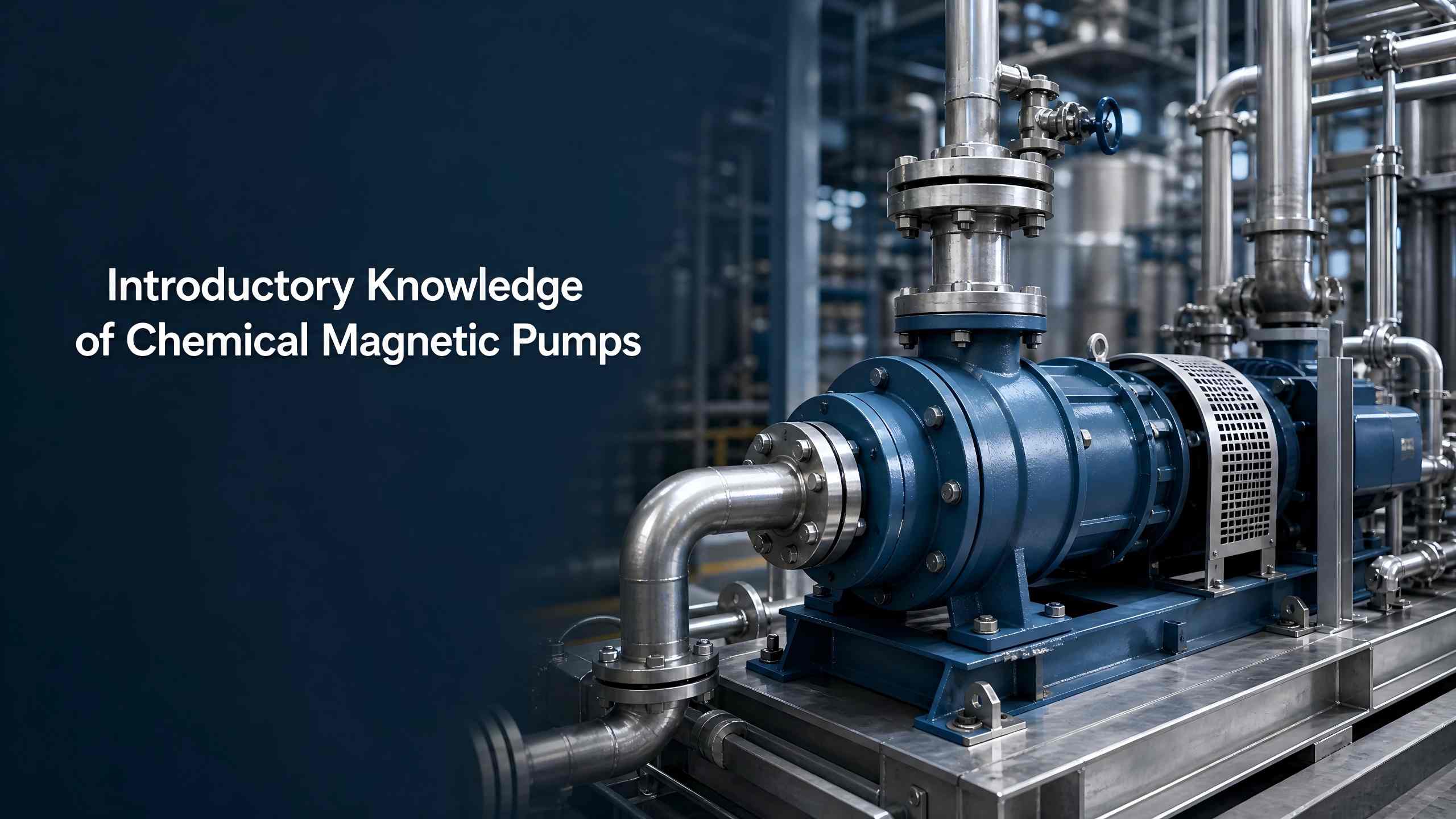
Introductory Knowledge of Chemical Magnetic Pumps
In fields such as petrochemicals, pharmaceuticals, printing and dyeing, electroplating and environmental‑protection water treatment, the transportation of corrosive, toxic, flammable‑explosive and high‑value fluids imposes extremely high requirements on equipment sealing performance, stability and safety. Conventional mechanical‑seal centrifugal pumps are prone to leakage during long‑term operation, which not only wastes materials and pollutes the environment but also creates potential safety hazards. The Omron Tech Pumps chemical magnetic pump adopts magnetic coupling transmission technology to achieve fully sealed and leakage‑free transportation, making it an ideal choice for safe production. This article provides a comprehensive analysis covering working principles, structure, advantages, parameters, application scenarios, operating prohibitions and operation‑maintenance key points to help readers get started quickly.