News
We are glad to share with you about the results of our work, company news, and give you timely developments and personnel appointment and removal conditions.
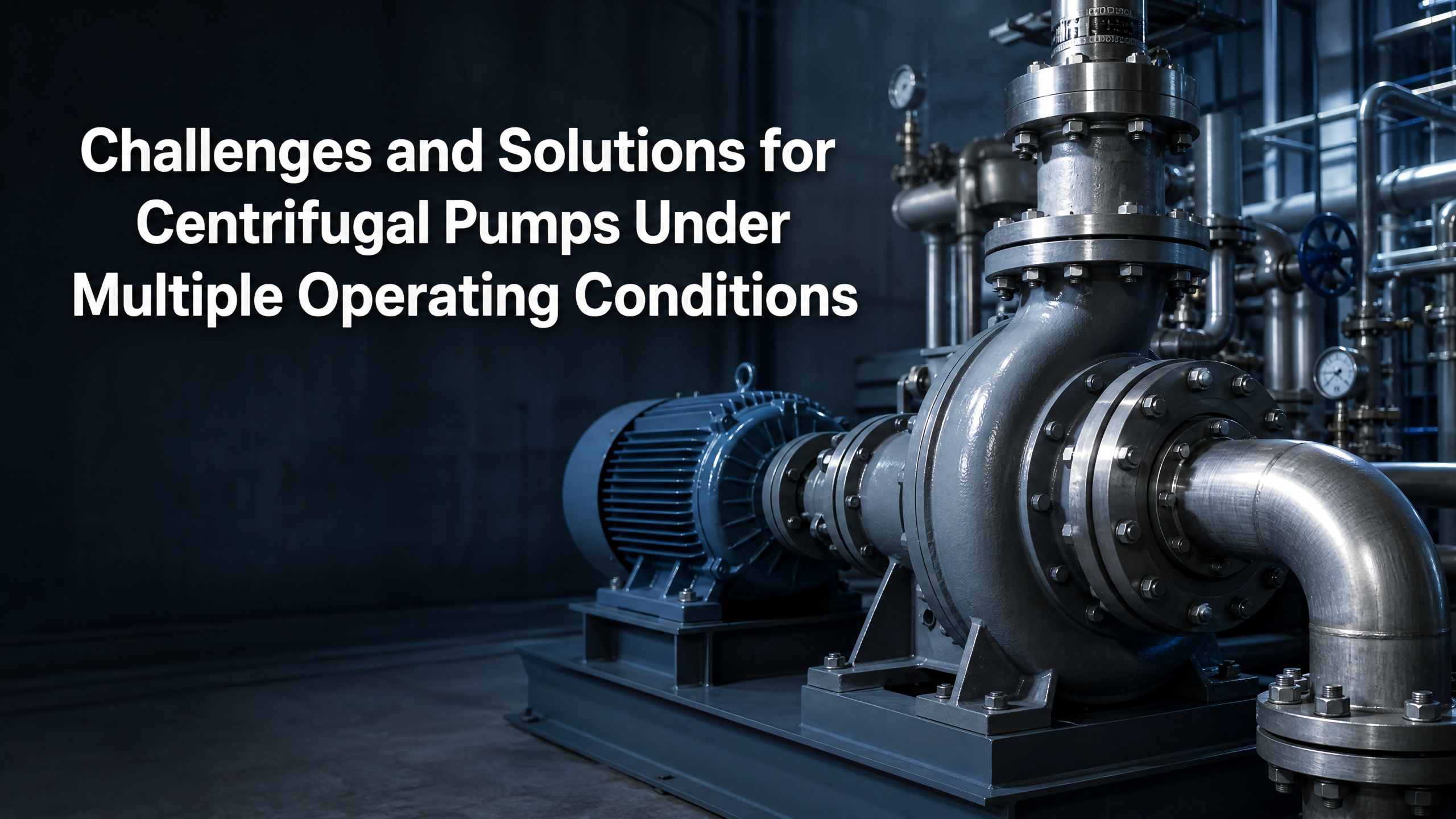
Challenges and Solutions for Centrifugal Pumps Under Multiple Operating Conditions
Centrifugal pumps, with their advantages of simple structure, stable operation, and convenient maintenance, are widely used in municipal water supply, chemical engineering, mining, wastewater treatment, and other fields. However, actual operating conditions are complex and variable. Factors such as load fluctuations, medium differences, pipeline design, and improper maintenance can easily trigger equipment failures, leading to reduced efficiency, increased energy consumption, and even shutdowns and production halts. This article summarizes nine high-frequency failures of centrifugal pumps, sorts out solutions tailored to each scenario based on hands-on experience, and incorporates Omron Tech Pumps's professional practice in the field of fluid conveyance, helping enterprises avoid failures across the entire chain from pump selection to operation and maintenance, and improving system operating efficiency.
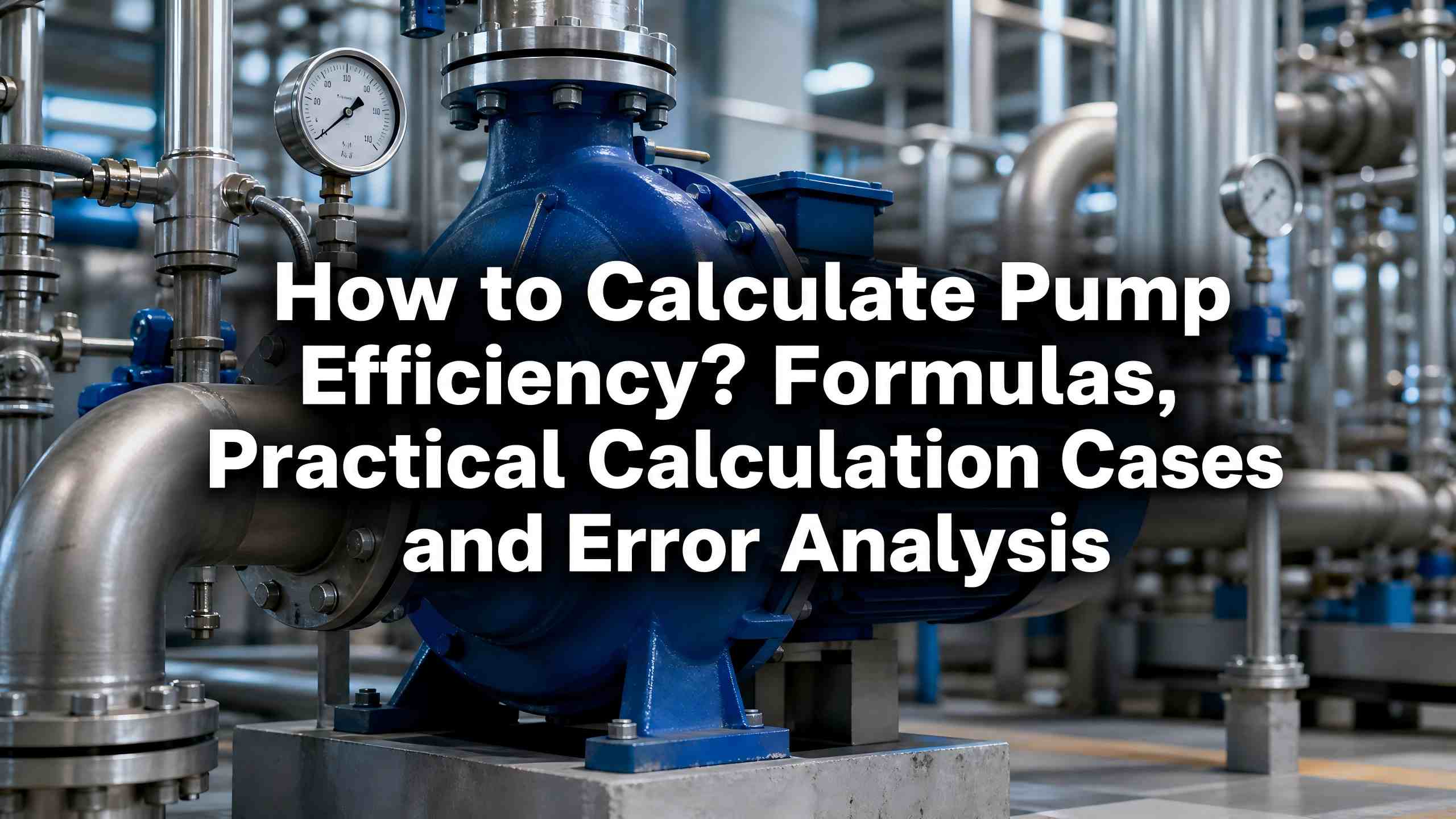
How to Calculate Pump Efficiency? Formulas, Practical Calculation Cases and Error Analysis
Pump efficiency is the core performance indicator of centrifugal pumps and various fluid conveying equipment. It directly determines the energy consumption level, operational stability and service life of equipment, and also serves as the key detection basis for Omron Tech Pumps’s energy-saving operation maintenance and working condition optimization of fluid equipment. Those engaged in industrial operation maintenance, equipment type selection or energy-saving renovation all know that accurately calculating pump efficiency is a fundamental skill. However, in practice, many people take a shortcut and directly estimate efficiency using nameplate parameters, and the calculated data often fails to match the actual operating status of the equipment.
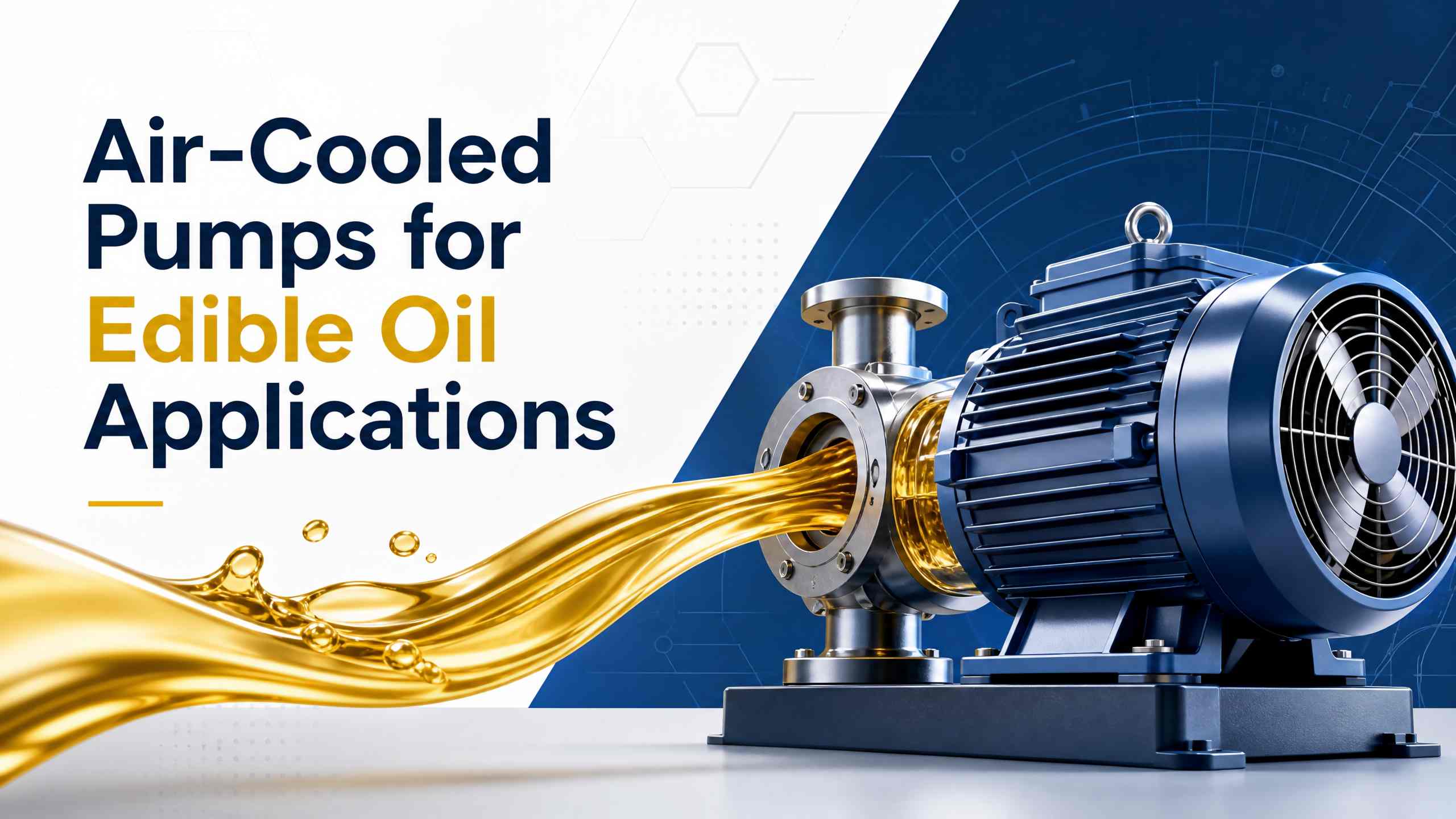
Air-Cooled Pumps for Edible Oil Applications: A Comprehensive Analysis of Principles, Advantages and Model Selection
Edible oil air-cooled pumps use air convection cooling without cooling water, avoiding oil-water contamination. They feature low failure and maintenance costs, suitable for high-temp oil conveying in refining, pressing and frying lines.
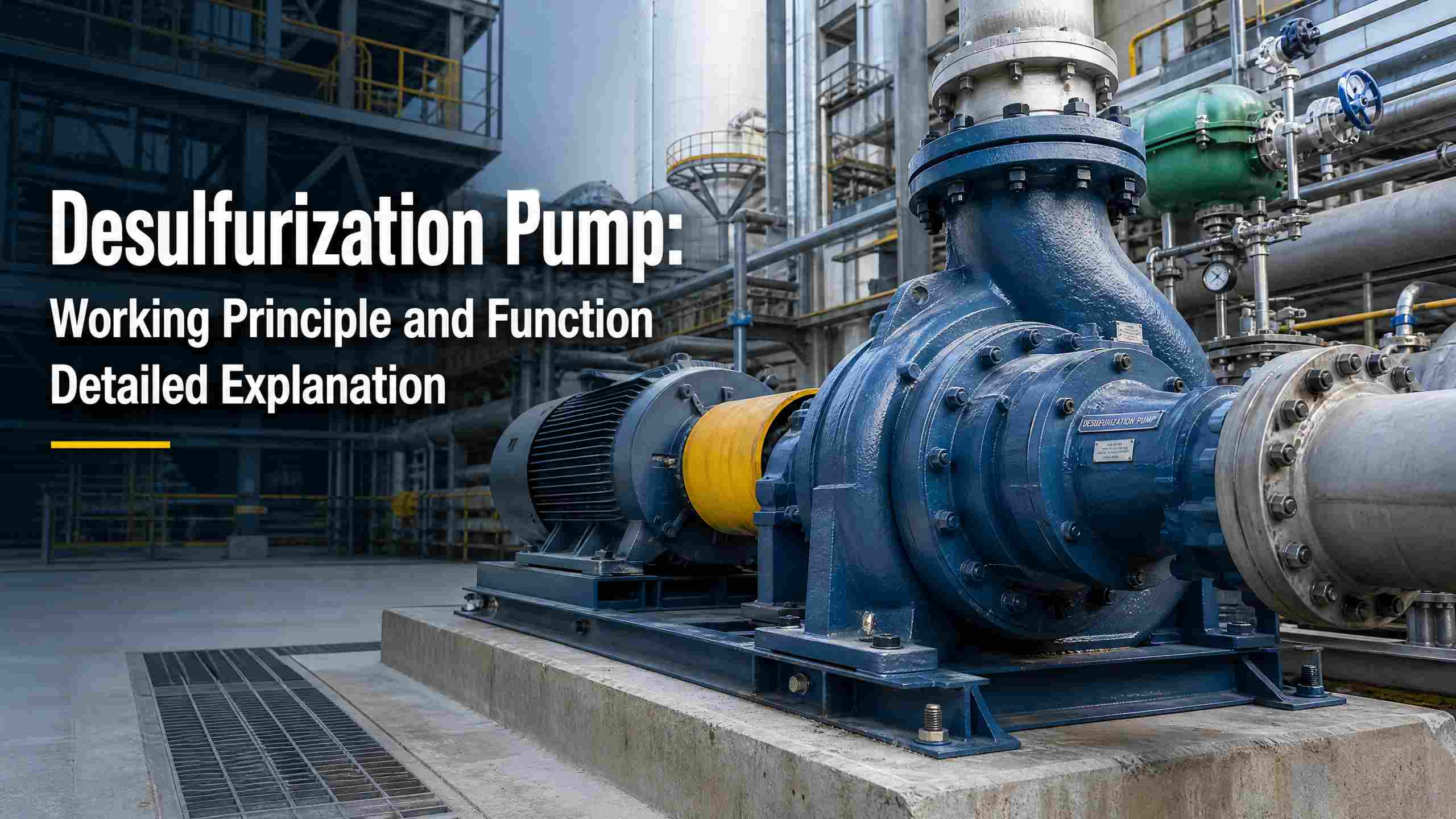
Desulfurization Pump: Working Principle and Function Detailed Explanation
Flue gas from thermal power, metallurgy, chemical, cement and other industries contains large quantities of SO₂. The wet flue gas desulfurization system (FGD) is standard equipment for emission compliance, energy conservation and carbon reduction. As the core power equipment of FGD, desulfurization pumps deliver corrosive solid-containing slurry and directly determine desulfurization efficiency and system stability.
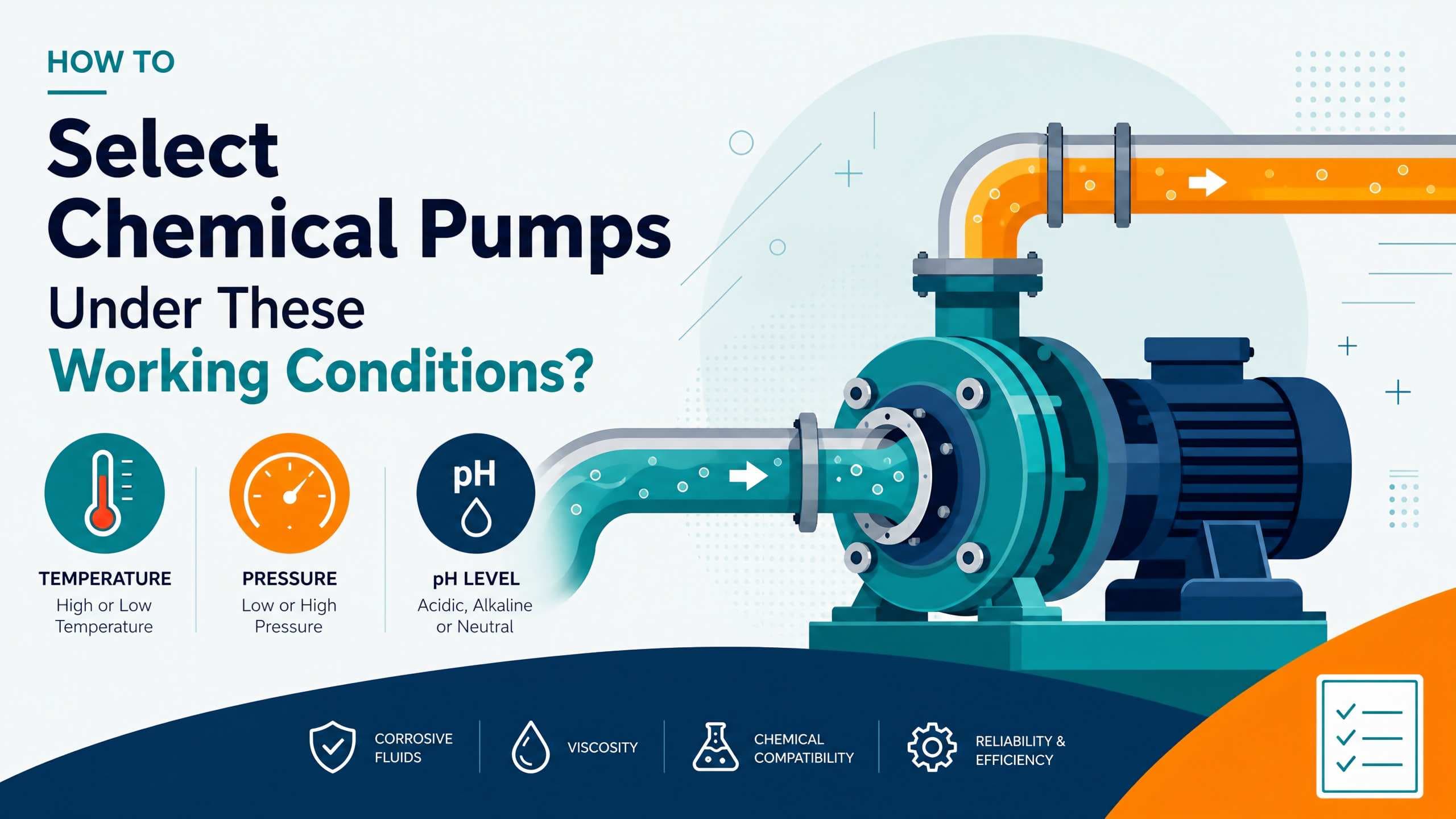
How to Select Chemical Pumps Under These Working Conditions?
Chemical production involves complex working conditions. Factors such as corrosion, temperature and pressure fluctuations, and explosion-proof requirements impose vastly different demands on the performance, materials and structures of chemical pumps. Improper pump selection may lead to pump damage, leakage, low efficiency, as well as production line shutdowns, safety hazards and material losses, which are common pitfalls in the procurement, operation and maintenance of chemical equipment. Many industry practitioners struggle to match pump models to special working conditions. Combined with widely used industrial scenarios, Omron Tech Pumps explains pump selection methods, applicable models and key precautions for different working conditions, delivering highly practical content that can serve as a direct reference for pump selection.
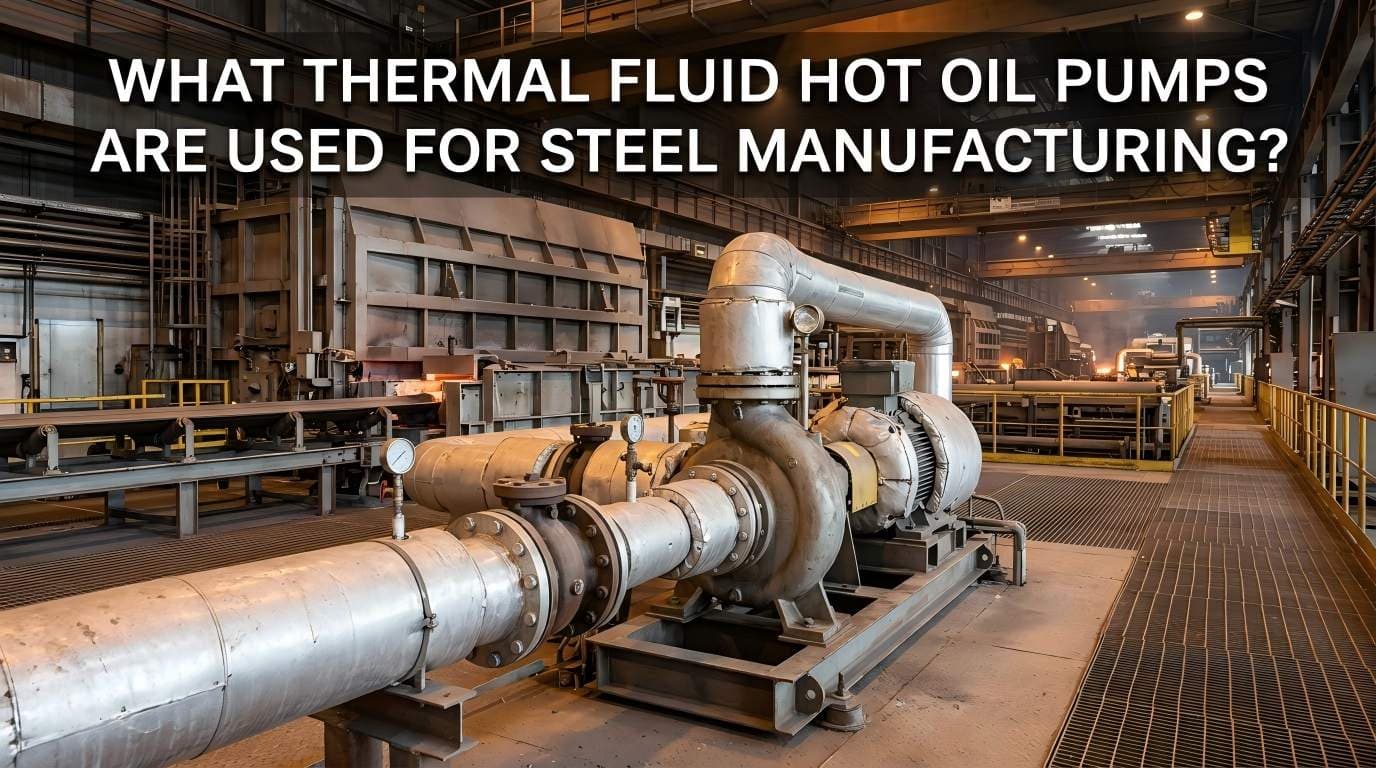
What Thermal Fluid Hot Oil Pumps Are Used for Steel Manufacturing?
Thermal fluid hot oil pumps are core gear for steel hot working. They circulate high-temp heat transfer fluid to deliver steady heat for tempering, quenching, galvanizing, heat treatment and rolling preheating, securing steel quality and continuous production. Built for steel mills’ high heat, dust and heavy vibration, they cut breakdowns and maintenance costs as essential production supporting units.
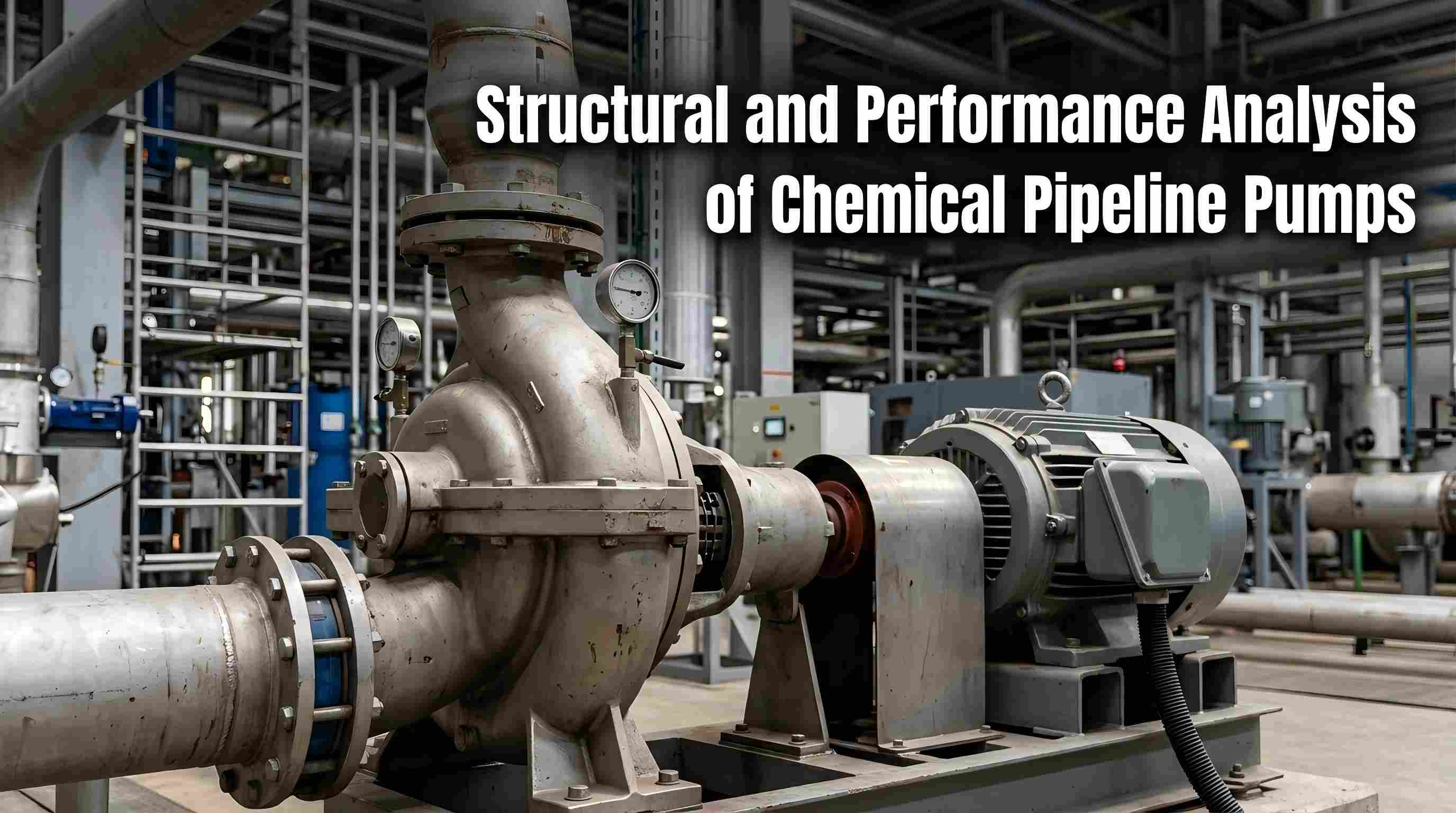
Structural and Performance Analysis of Chemical Pipeline Pumps
Omron Tech Pumps chemical pipeline pumps are vertical fluid transportation equipment specially used in chemical, petrochemical, pharmaceutical, environmental protection, water treatment and other industries. Featuring direct pipeline mounting structure, stable operation, corrosion resistance and easy maintenance, they serve as core equipment for transporting corrosive, high-temperature and high-pressure media in chemical production lines. Different from ordinary water pumps, chemical pipeline pumps boast sophisticated structures and strong working condition adaptability, enabling long-term continuous operation and effectively ensuring the safety and efficient operation of chemical fluid transportation systems. This paper comprehensively analyzes the core characteristics of chemical pipeline pumps from equipment classification, core structures, operating performance and operation & maintenance key points.
Practical Applications of Screw Pumps
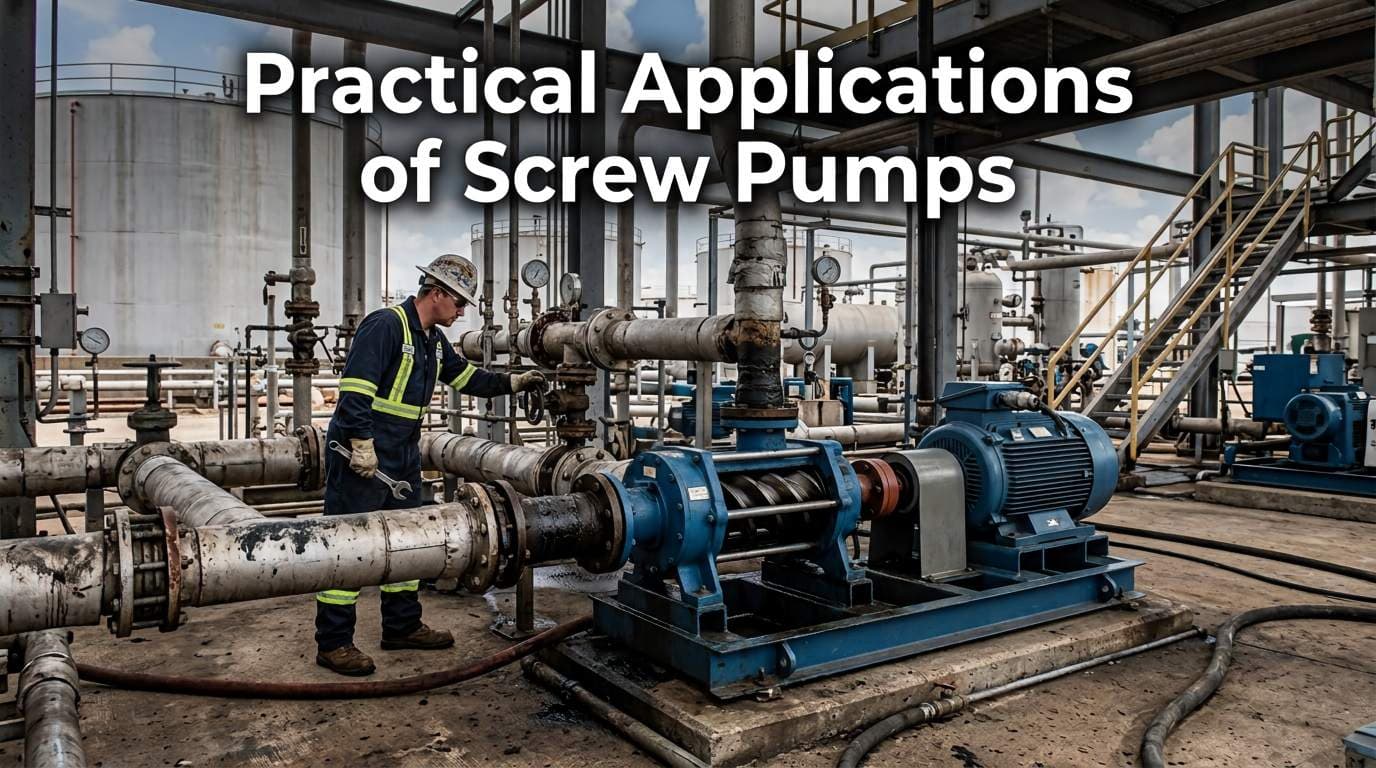
Screw pumps are common positive displacement conveying equipment, mainly divided into cast iron screw pumps and stainless steel screw pumps. Featuring high head, stable operation, low shear force and strong adaptability, they excel at transporting high-viscosity fluids, particle-laden media, long-fiber materials and easily precipitating slurries, effectively making up for the drawbacks of centrifugal pumps such as easy clogging and poor wear resistance. With reliable performance, screw pumps are widely adopted in numerous industrial sectors including petrochemicals, environmental protection, food, pharmaceuticals, mining and shipbuilding, serving as core equipment for transporting complex fluids.
Notes on Using High-Head Centrifugal Pumps for Low-Head Water Pumping
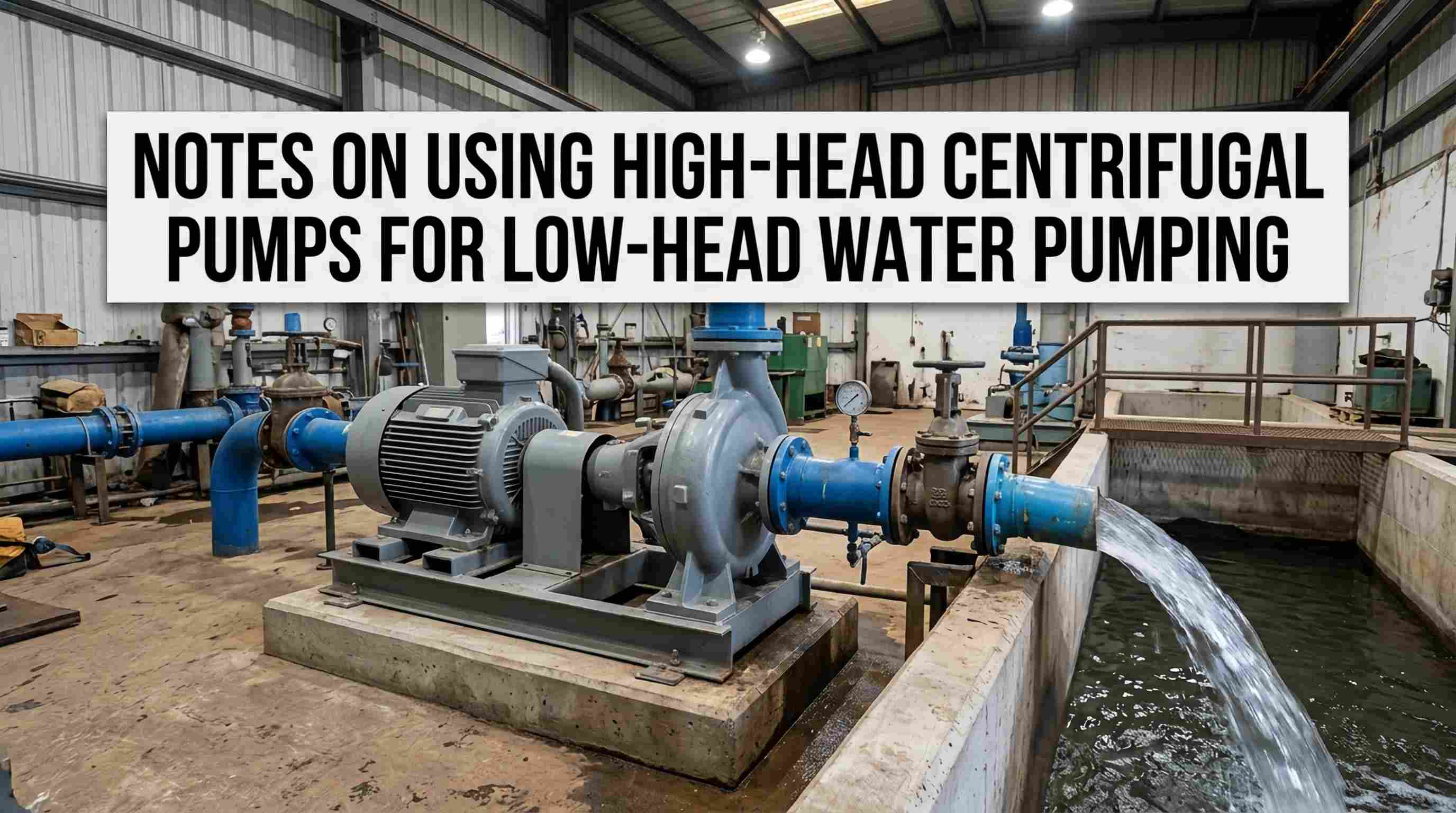
n pump type selection and operation & maintenance, many users hold misunderstandings: they mistakenly believe that the lower the actual operating head of a pump, the lighter the motor load and the less likely the motor is to burn out. For this reason, many users deliberately select high-head centrifugal pumps with rated heads far exceeding working condition requirements, assuming a larger head margin ensures more stable operation.
Advantages, Limitations and Application Scenarios of Plastic Pumps in Industrial Applications
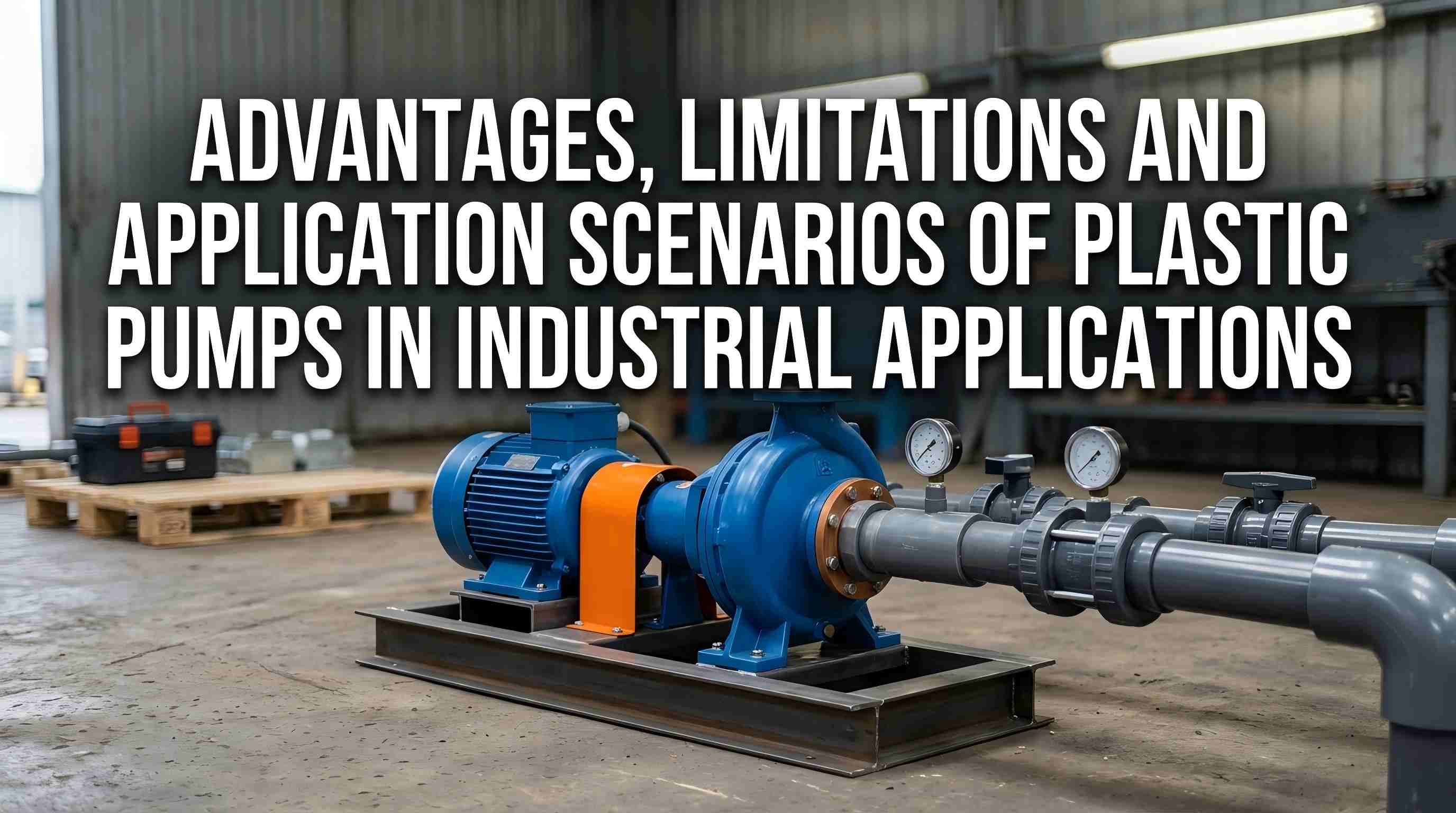
In modern industrial production such as chemical processing, water treatment, electroplating and pharmaceutical manufacturing, the transportation of corrosive, high-purity and scaling-prone fluids imposes extremely high requirements on pump equipment. Traditional cast iron and stainless steel pumps are prone to corrosion, metal impurity precipitation and high operation and maintenance costs, making them difficult to adapt to complex working conditions. Manufactured from engineering plastics including PP, FRPP, PVDF and PTFE, plastic pumps have become mainstream equipment for industrial fluid transportation and widely replace traditional metal pumps due to their stable chemical properties and cost performance.