News
We are glad to share with you about the results of our work, company news, and give you timely developments and personnel appointment and removal conditions.
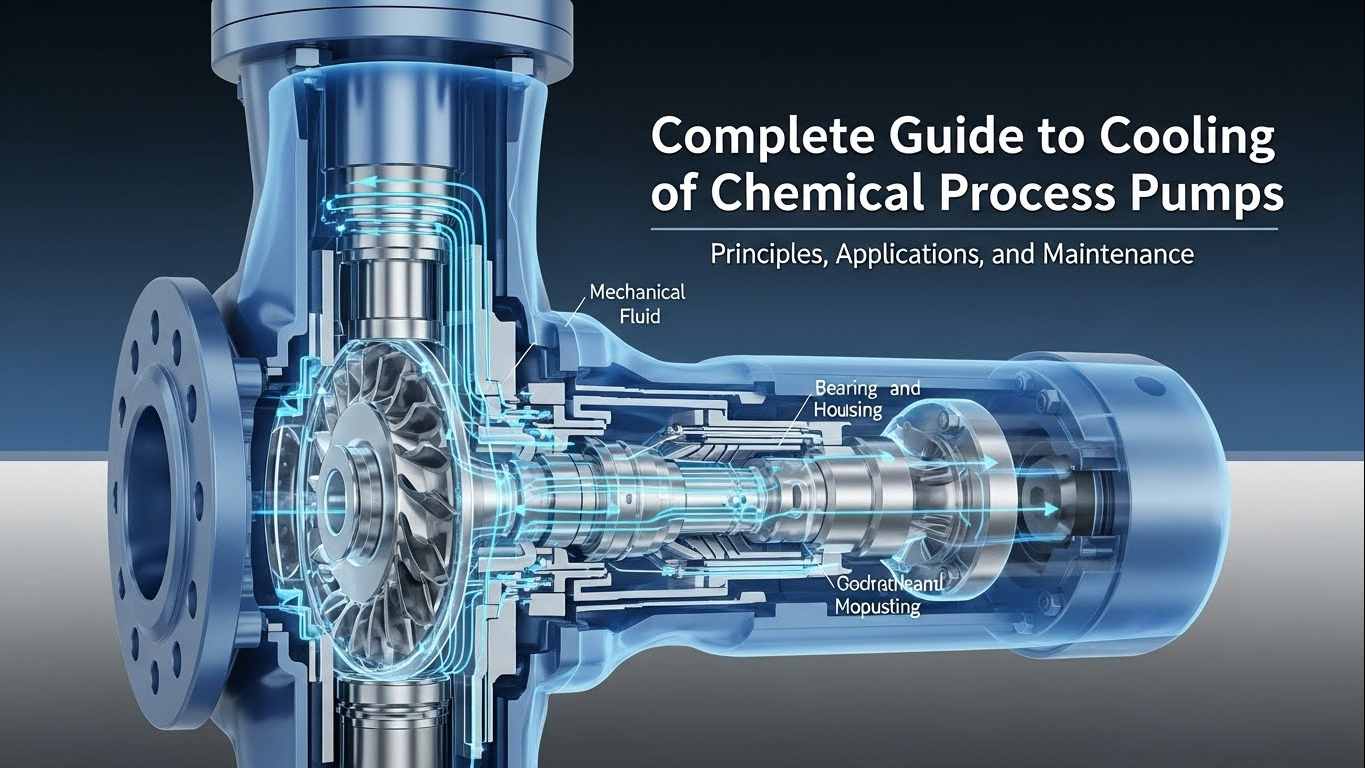
Complete Guide to Cooling of Chemical Process Pumps
In petrochemical processes, pump reliability largely depends on effective temperature control. The cooling system selected for different medium temperatures not only impacts equipment lifespan but also directly affects operating costs. As a petrochemical pump researcher, I will break down the most scientifically sound cooling configuration strategy based on three critical medium temperature thresholds.
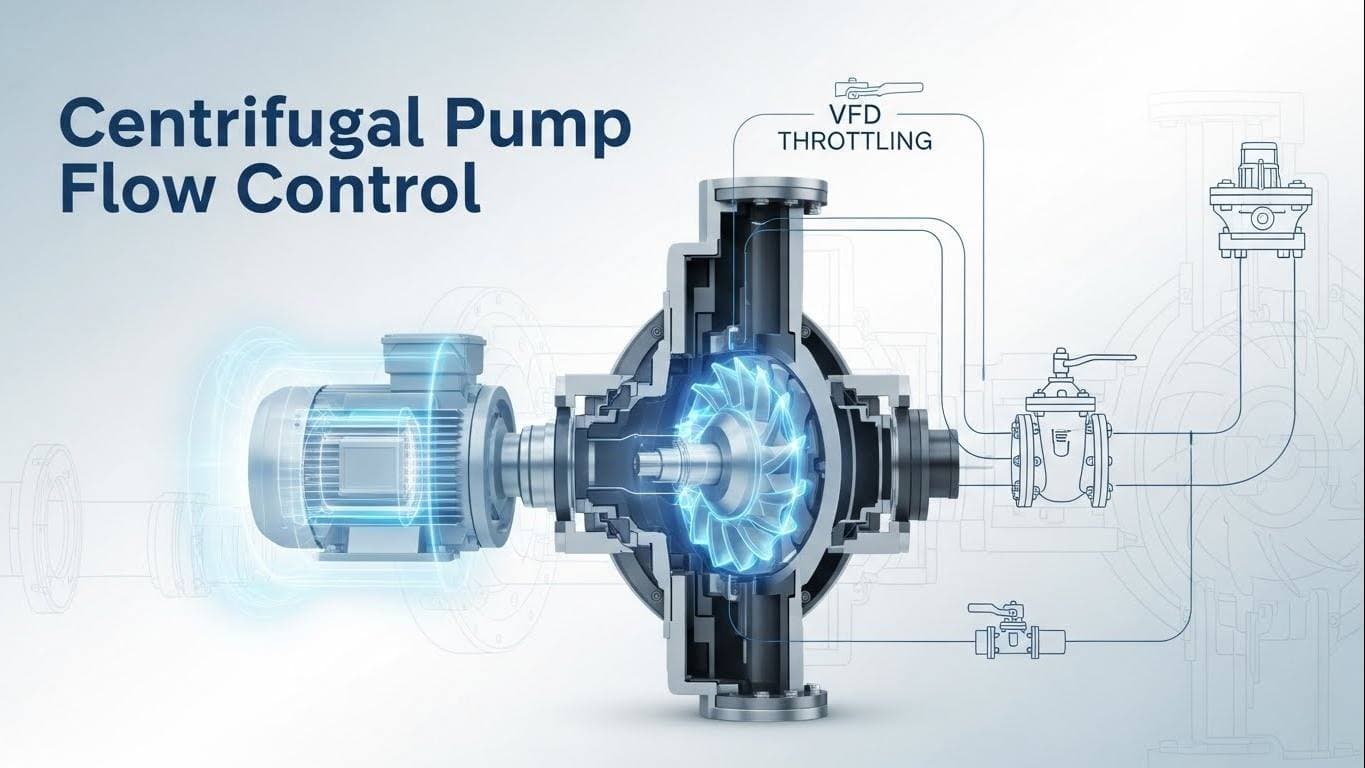
What Are the Methods for Centrifugal Pump Flow Control?
In the actual operation of centrifugal pumps, flow regulation is a common task. However, many on-site engineers face a puzzle: why do some methods consume more electricity while others save energy when reducing the flow rate? As a researcher, I will not only tell you what methods are available for centrifugal pump flow control but also show you "which regulation is the most cost-effective" through data comparison. This article will deeply analyze four mainstream flow control schemes.
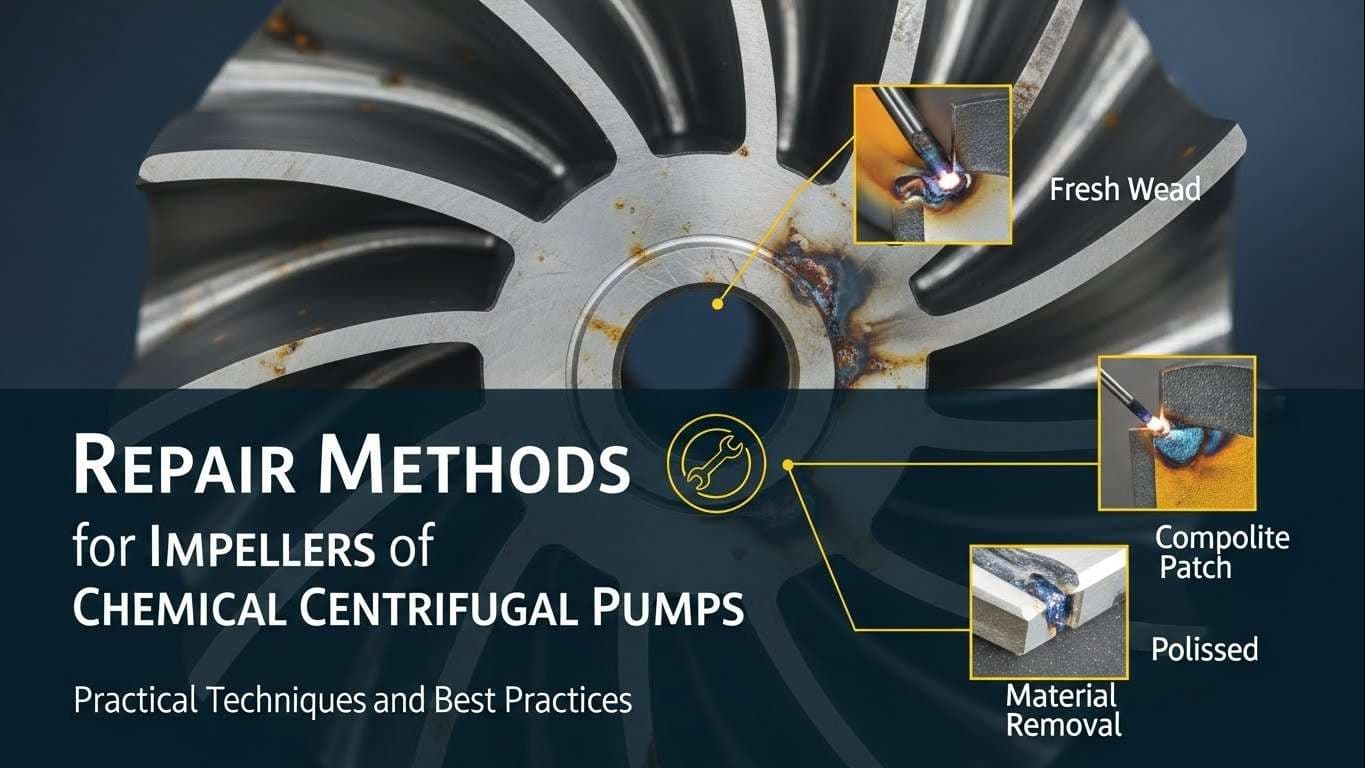
Repair Methods for Impellers of Chemical Centrifugal Pumps
Repair Methods for Impellers of Chemical Centrifugal Pumps": Outlines 4 damage types (corrosion, erosion, etc.), 4 repair methods (welding, coating, etc.) & key points, notes material compatibility & dynamic balance, with FAQs to aid repair selection.
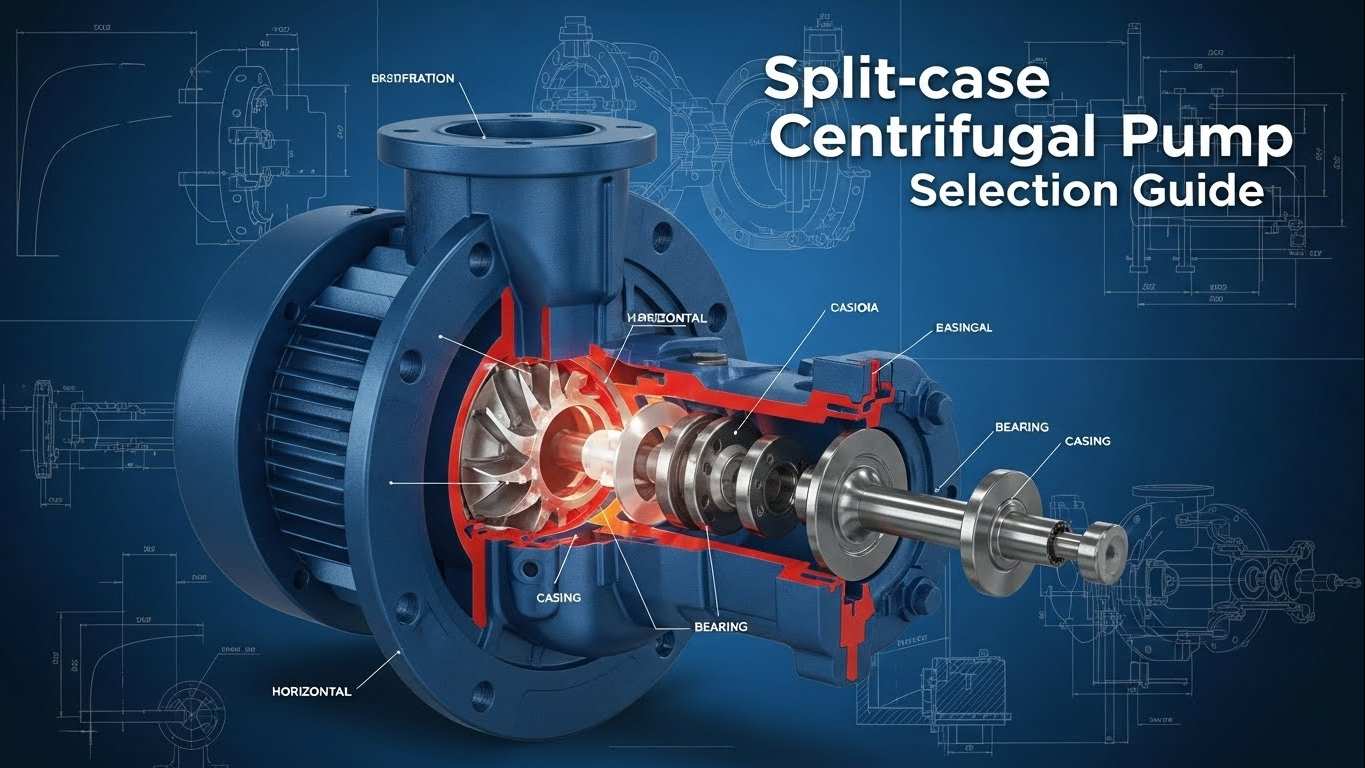
Split-case Centrifugal Pump Selection Guide
In various application scenarios such as petrochemical industry and industrial processes, split-case centrifugal pumps have become the preferred power equipment for many key systems due to their unique design and stable performance. This article provides a practical split-case centrifugal pump selection guide to help engineers, procurement decision-makers, and EPC contractors avoid common misunderstandings and select high-performance pump models that truly match project requirements.

How to Scientifically Select an Oil Pump Motor?
In industrial fluid systems, the performance of an oil pump depends not only on the pump body itself, but also on whether the motor driving it is matched. Choosing the wrong motor will, at best, lead to low efficiency and soaring energy consumption, and at worst, cause overheating, shutdown and even safety accidents. Based on engineering practice, this article systematically sorts out how to scientifically select an oil pump motor around the eight dimensions you provided — not only meeting process requirements, but also taking into account safety, energy efficiency and long-term costs.
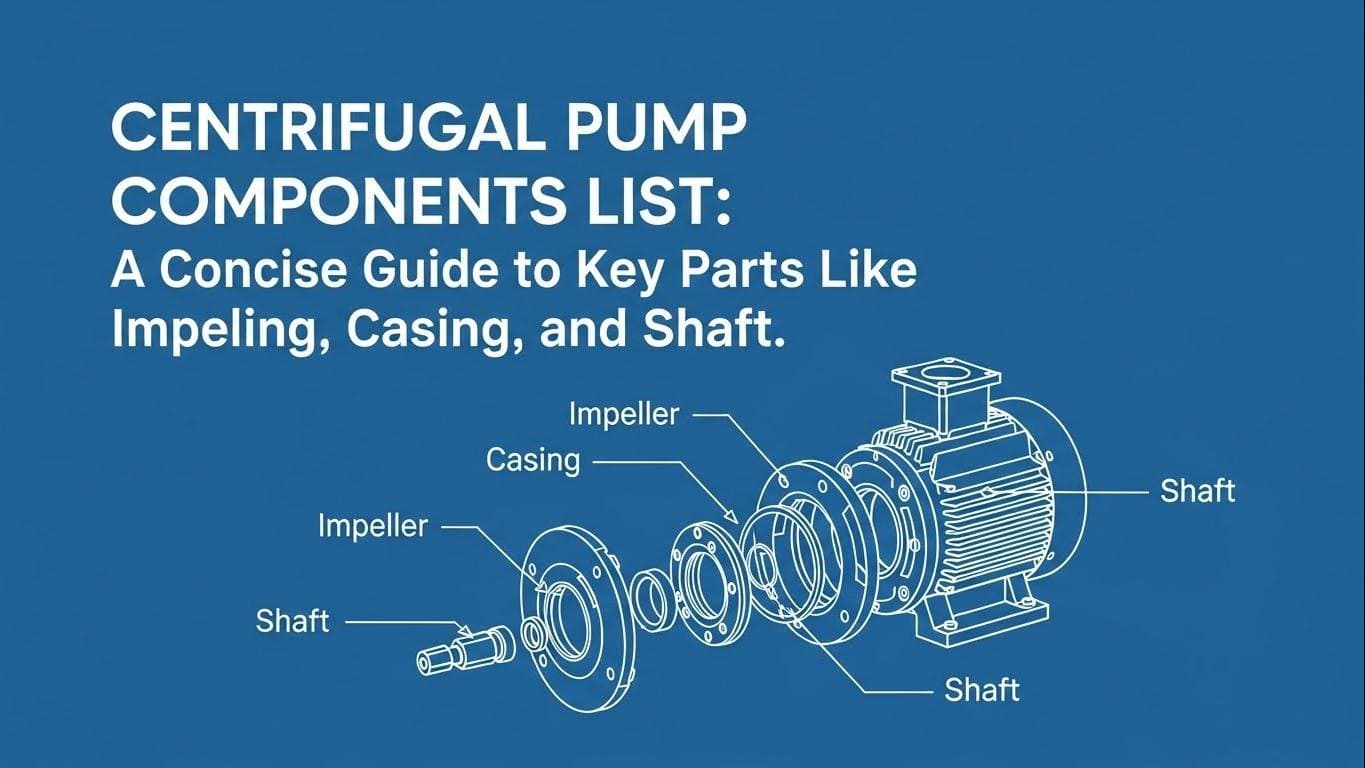
Centrifugal Pump Components List: A Concise Guide to Key Parts Like Impeller, Casing, and Shaft
Centrifugal pumps are the backbone of industrial fluid transfer, widely used in water treatment, oil and gas, manufacturing, chemical, and other sectors. Their stable operation relies on the seamless collaboration of internal precision components. Whether you’re selecting a pump, performing maintenance, or making a purchase, grasping the key details of these core components is absolutely essential. Below, I’ll break down the main parts of centrifugal pumps—their functions, types, and key points—based on practical on-site experience.
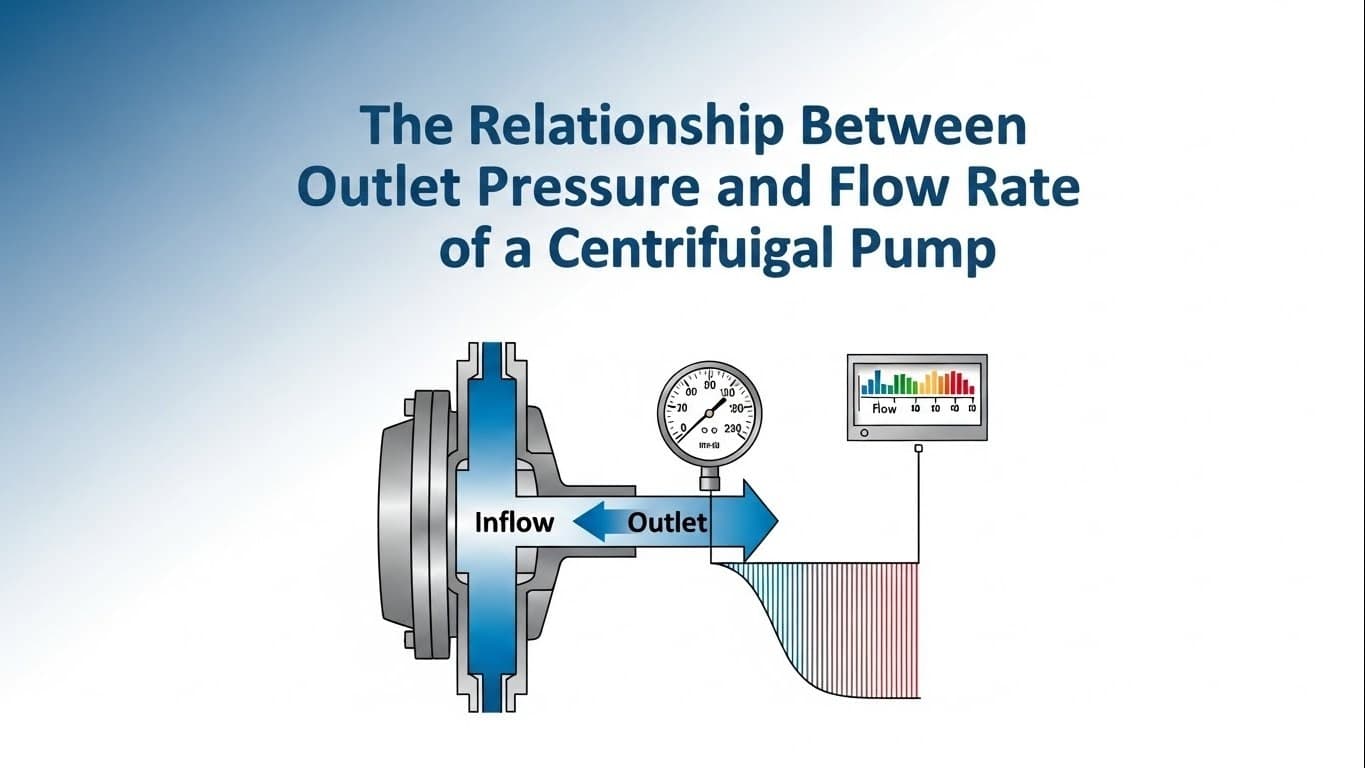
The Relationship Between the Outlet Pressure and Flow Rate of a Centrifugal Pump
Centrifugal pumps are the "workhorses" in industries such as water treatment, oil and gas, and manufacturing. Outlet pressure (also known as discharge pressure) and flow rate are their most critical performance indicators. The correlation between these two directly determines the pump's efficiency, energy consumption, and system stability. Whether you are engaged in engineering design, equipment operation, or other related fields, mastering this relationship is the key to optimizing equipment performance and avoiding detours. Below, combined with practical industrial on-site experience, we analyze their interaction, influencing factors, and practical applications—all practical insights
Centrifugal Pump Price Reveal: Why the Price Difference Can Be 10 Times?
Why do centrifugal pumps have quotes ranging from several thousand yuan to several hundred thousand yuan? It’s not that merchants are arbitrarily pricing them! I’ve organized some notes—all dry goods from actual procurement pitfalls and manufacturer inquiries. Understand this and save money on unnecessary expenses~
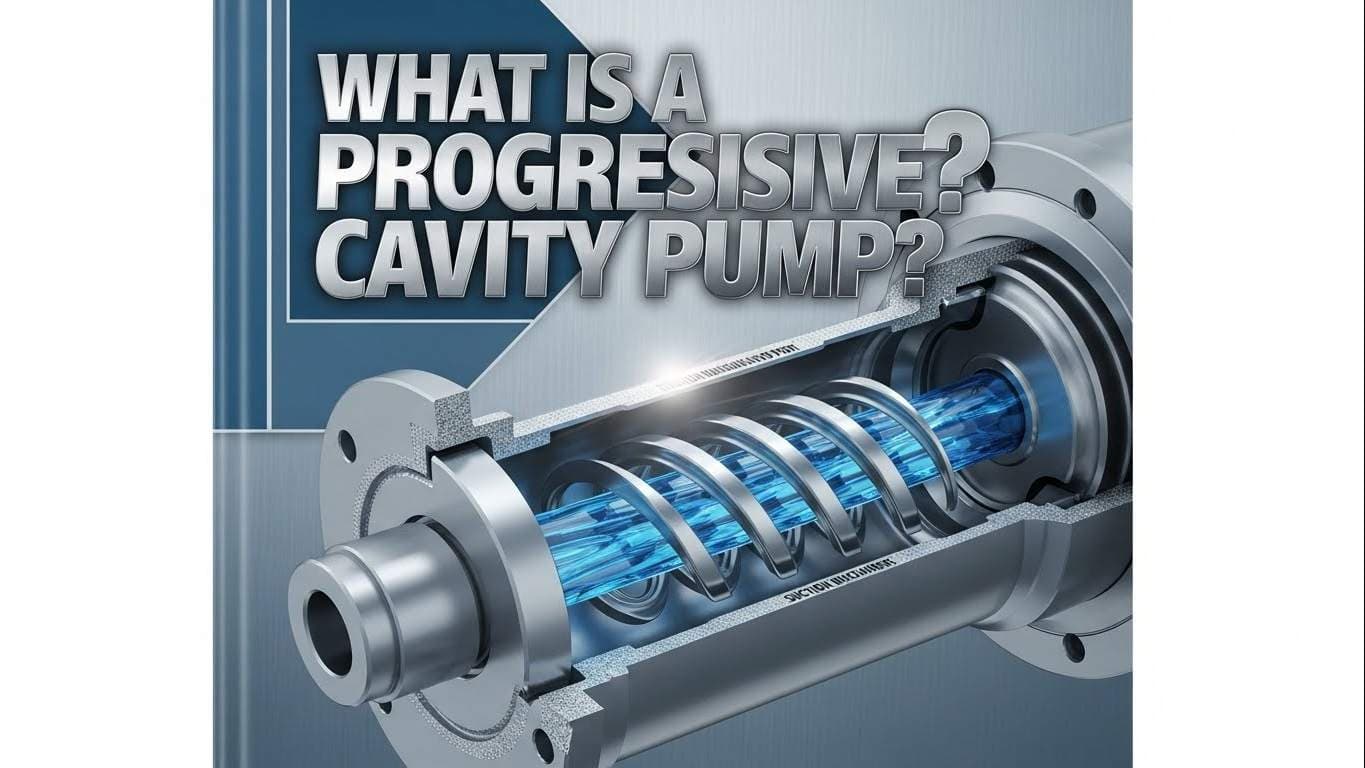
What Is a Progressive Cavity Pump?
In numerous industrial fields such as petrochemicals, wastewater treatment, and food processing, fluid transfer is one of the core links. Faced with complex media that are high-viscosity, particle-containing, or shear-sensitive, ordinary pump types often struggle to meet the demand for stable transfer. As an efficient positive displacement pump, the Progressive Cavity Pump (PCP for short) has become a "reliable workhorse" in industrial scenarios due to its unique structural design and excellent performance. This article will comprehensively break down the progressive cavity pump from its core definition, working principle, key components, core advantages to basic maintenance, helping you quickly grasp the core knowledge of this industrial tool.