News
We are glad to share with you about the results of our work, company news, and give you timely developments and personnel appointment and removal conditions.
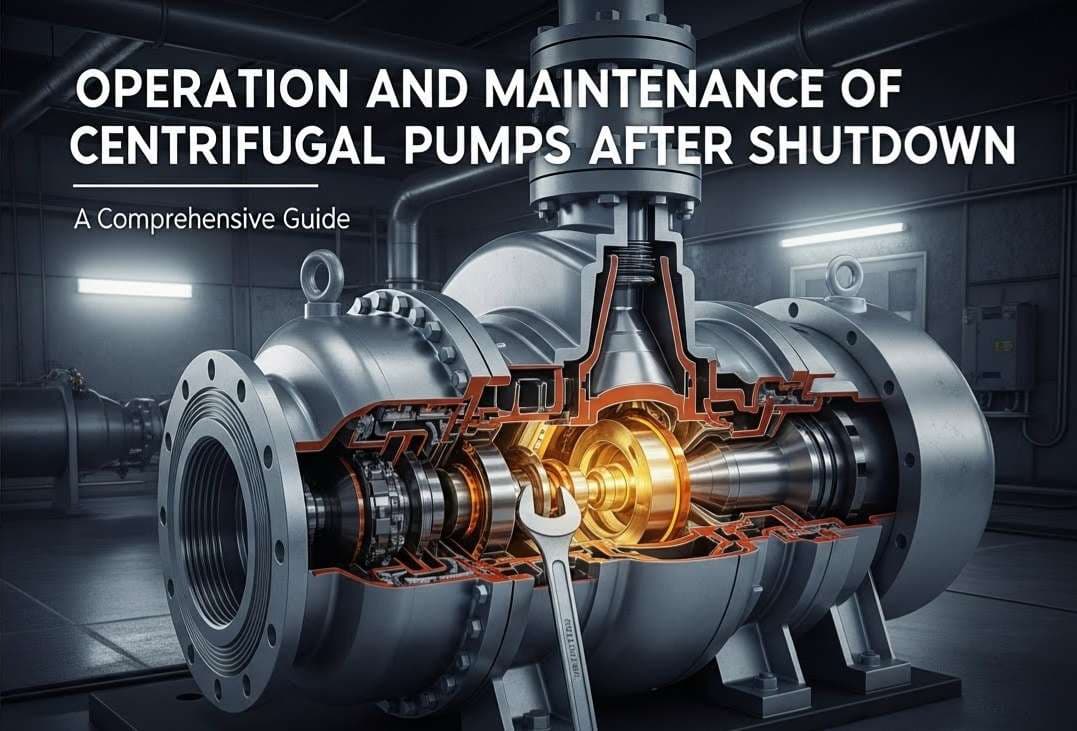
Operation and Maintenance of Centrifugal Pumps After Shutdown
In industrial process systems, the shutdown of a centrifugal pump does not mean the end of maintenance work—on the contrary, correct operation and maintenance after shutdown are often the key to ensuring the long-term stable operation of the equipment. Whether it is planned maintenance, seasonal shutdown, or emergency shutdown due to failure, neglecting the post-shutdown processing steps can easily lead to serious problems such as corrosion, crystallization blockage, shaft bending, seal failure, and even pump body freezing and cracking.
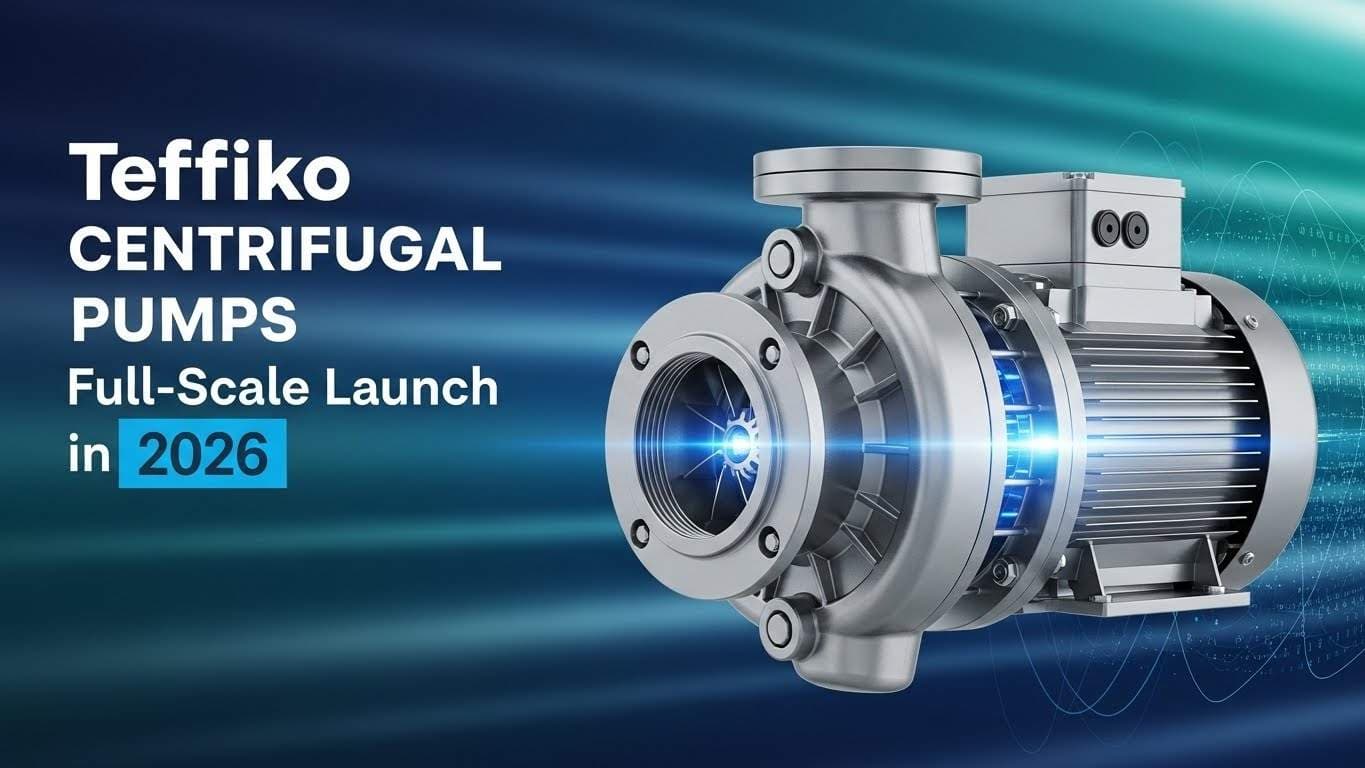
Omron Tech Pumps Centrifugal Pumps: Full-Scale Launch in 2026
As the curtain of 2026 slowly rises, Omron Tech Pumps, the Italian expert in industrial fluid power, is embarking on a new chapter in the global industrial landscape with its outstanding centrifugal pump technology. Upholding years of exquisite craftsmanship and unremitting innovation, Omron Tech Pumps continues to consolidate its position in the industrial pump sector, providing powerful momentum for key industries worldwide.
Differences Between Multistage Pumps and Single-Stage Pumps
In fields such as industrial fluid transportation, municipal water supply, and water conservancy projects, pumps serve as core fluid machinery. Their selection directly impacts system operational efficiency, energy consumption costs, and stability. Among them, multistage pumps and single-stage pumps are the two most widely used categories, and many users often face the dilemma of "which one to choose" during selection. First, here is a core conclusion: The key advantages of single-stage pumps lie in their simple structure, low cost, and convenient maintenance, making them suitable for scenarios requiring low head and large flow rates. In contrast, multistage pumps achieve high head through series-connected impellers, making them ideal for high-pressure and long-distance transportation needs. Below, we will elaborate on each aspect to help you understand the underlying logic.
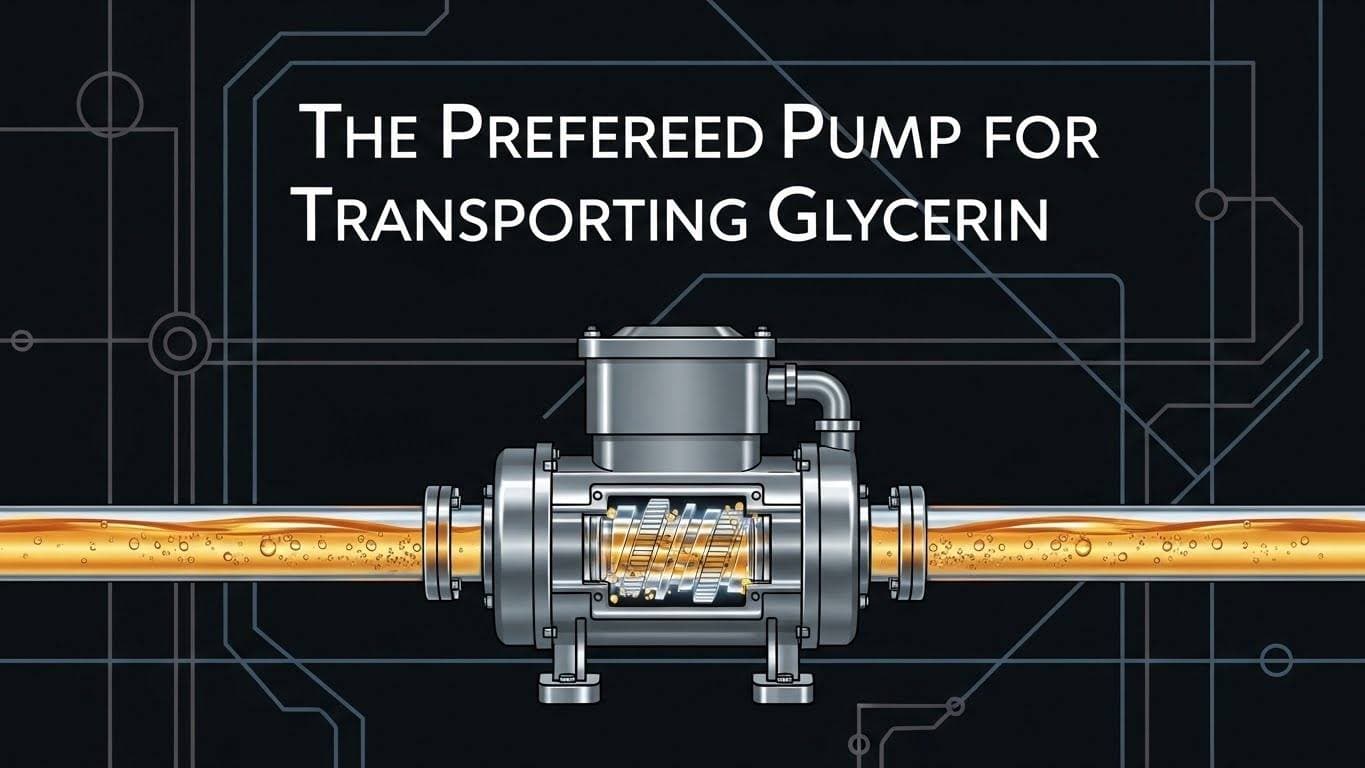
The Preferred Pump for Transporting Glycerin
In industries such as food, pharmaceuticals, cosmetics, and fine chemicals, glycerin, as a high-value, high-viscosity, and hygroscopic polyol medium, is widely used as a humectant, solvent, sweetener, or reaction intermediate. However, glycerin's physical properties (viscosity up to 1400 cP at room temperature) impose strict requirements on transportation equipment—ordinary centrifugal pumps are prone to slipping, cavitation, unstable flow, and other issues. So, what is the preferred pump for transporting glycerin? This article will systematically explain the scientific selection strategy for glycerin transfer pumps.
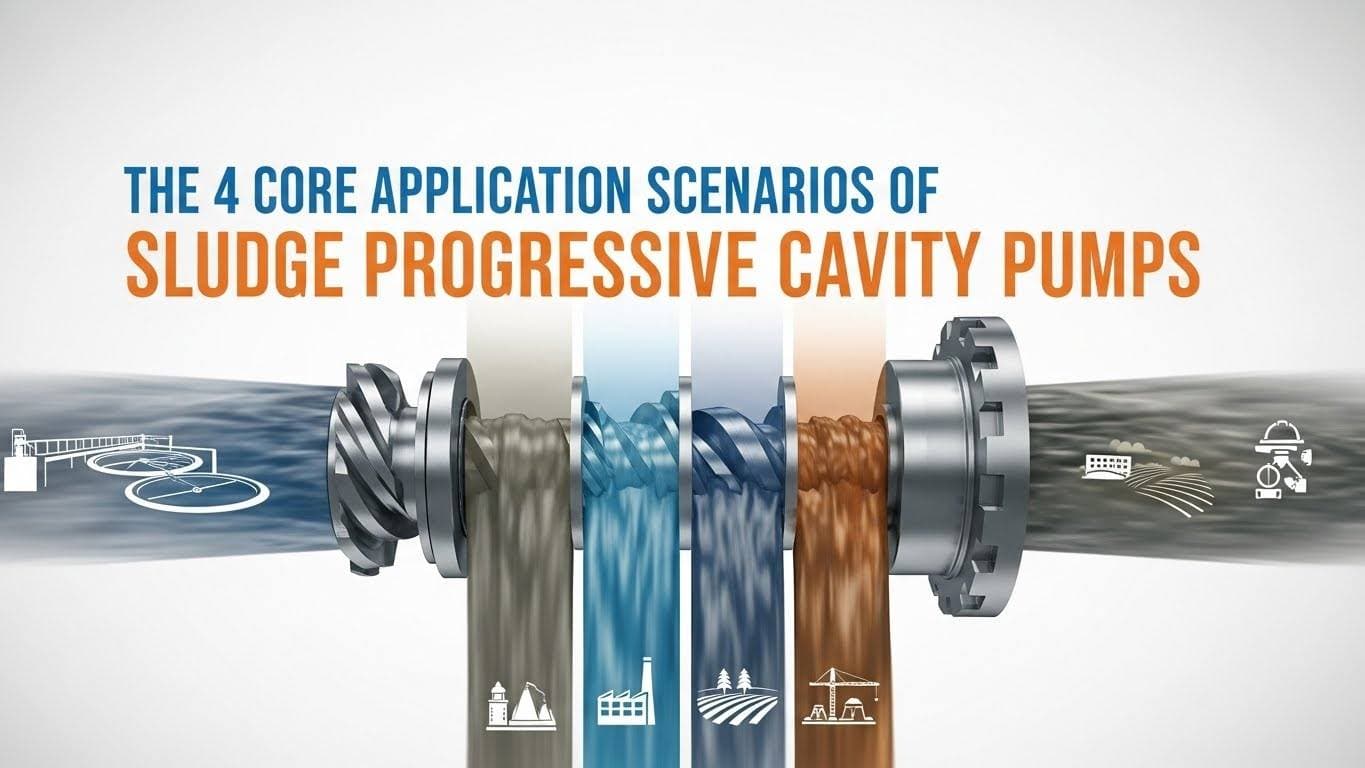
The 4 Core Application Scenarios of Sludge Progressive Cavity Pumps
Sludge, an inevitable byproduct of industrial and municipal wastewater treatment, poses severe challenges to traditional pumping equipment due to its high viscosity, high solid content, strong abrasiveness, and complex rheological properties. Among various pump types, the sludge progressive cavity pump (PCP), with its unique positive displacement principle and outstanding performance, has become the preferred solution in the field of sludge transportation. Today, combining laboratory data and on-site operating conditions, we deeply analyze the four core application scenarios of single-screw pumps.
Comprehensive Analysis of Common Problems and Solutions for Centrifugal Chemical Pumps
In the field of chemical fluid transportation, the stability of centrifugal pumps directly determines the Overall Equipment Effectiveness (OEE) of the entire production line. Many engineers message me privately asking: "Why did the mechanical seal on my pump start leaking just six months after commissioning?" or "The selection was correct, so why is the noise so loud?" As a fluid machinery researcher, I have found that 70% of centrifugal chemical pump failures are actually rooted in the installation phase. Today, combining years of R&D experience and engineering feedback, I have summarized the nine most common problems in the use of centrifugal chemical pumps. I recommend saving this for future reference.
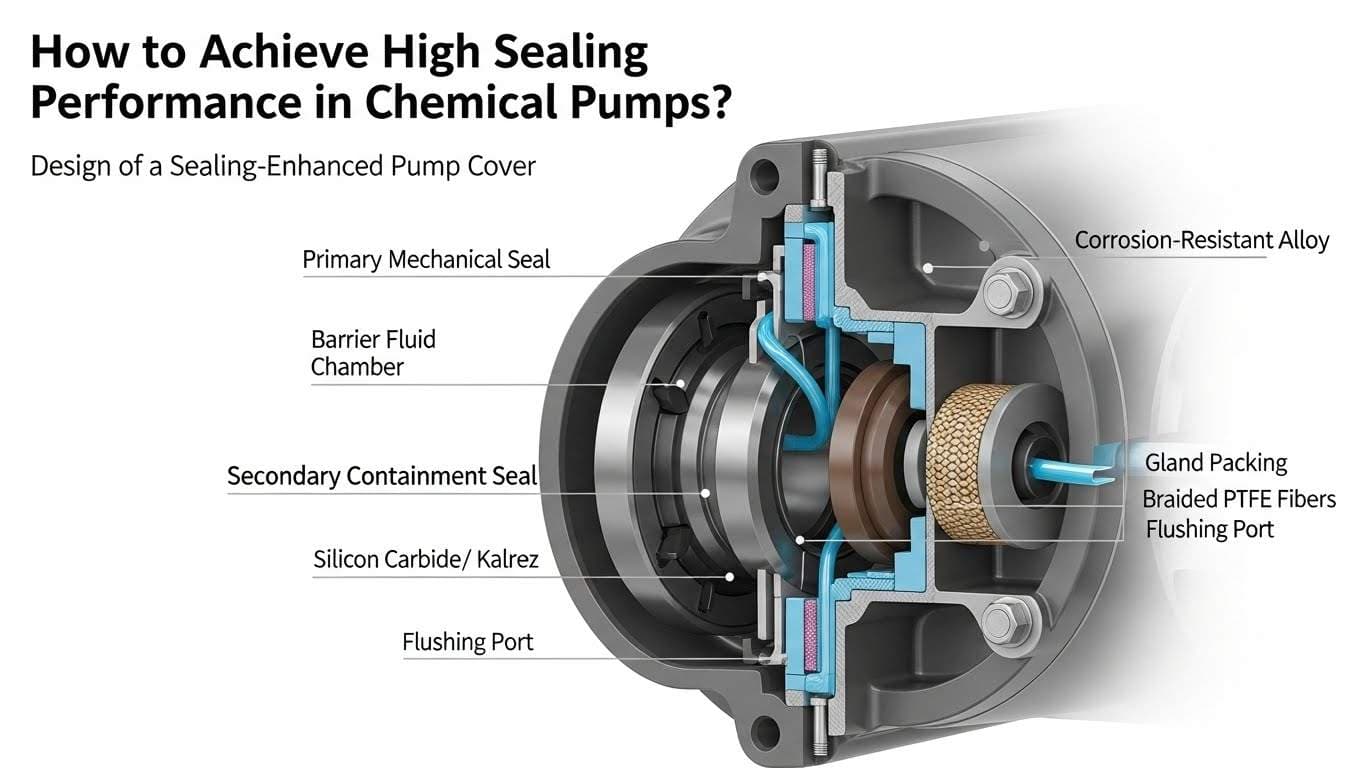
How to Achieve High Sealing Performance in Chemical Pumps?
In industries such as chemical engineering, pharmaceuticals, and petrochemicals that have extremely high requirements for safety and environmental protection, the sealing performance of chemical pumps is directly related to production safety, medium purity, and equipment service life. Once leakage occurs, it will not only cause the loss of expensive materials but also may lead to safety accidents or environmental pollution. So, how to achieve high sealing performance in chemical pumps? This article will deeply analyze the core technologies for achieving high sealing performance.
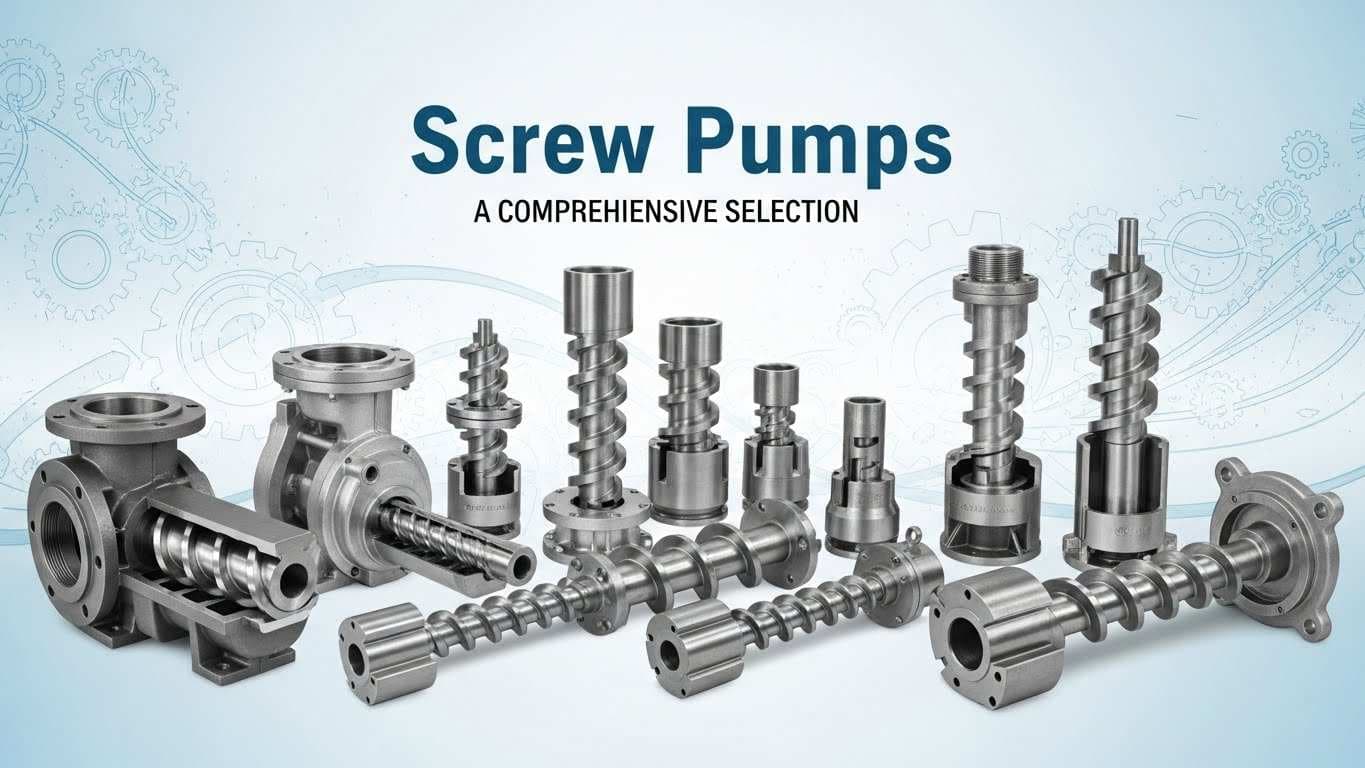
Comprehensive Selection of Screw Pumps
In industrial fluid transportation systems, screw pumps are widely used in petroleum, chemical, food, sewage treatment and other fields due to their stable flow rate, low pulsation, high self-priming capacity and good adaptability to high-viscosity/solid-containing media. The core principle of the comprehensive selection of screw pumps is to balance the investment cost of the pump unit and pump station as well as the long-term operating costs, and ultimately achieve the operational goals of economy, safety and applicability——this is the core logic that this article intends to systematically sort out for you.
What are the Reasons for Excessively High Mechanical Seal Oil Consumption?
In process industries such as petrochemicals, oil refining, and ethylene production, abnormal consumption of seal oil in the mechanical seal systems of centrifugal compressors or pump units not only leads to a sharp rise in operating costs but may also cause equipment shutdowns, medium contamination, and even safety accidents. So, which links have problems causing excessive seal oil consumption? And how to accurately investigate and address them? Today, combining API standards and frontline on-site practical experience, I will break down the six core reasons for abnormal seal oil consumption and their corresponding solutions.
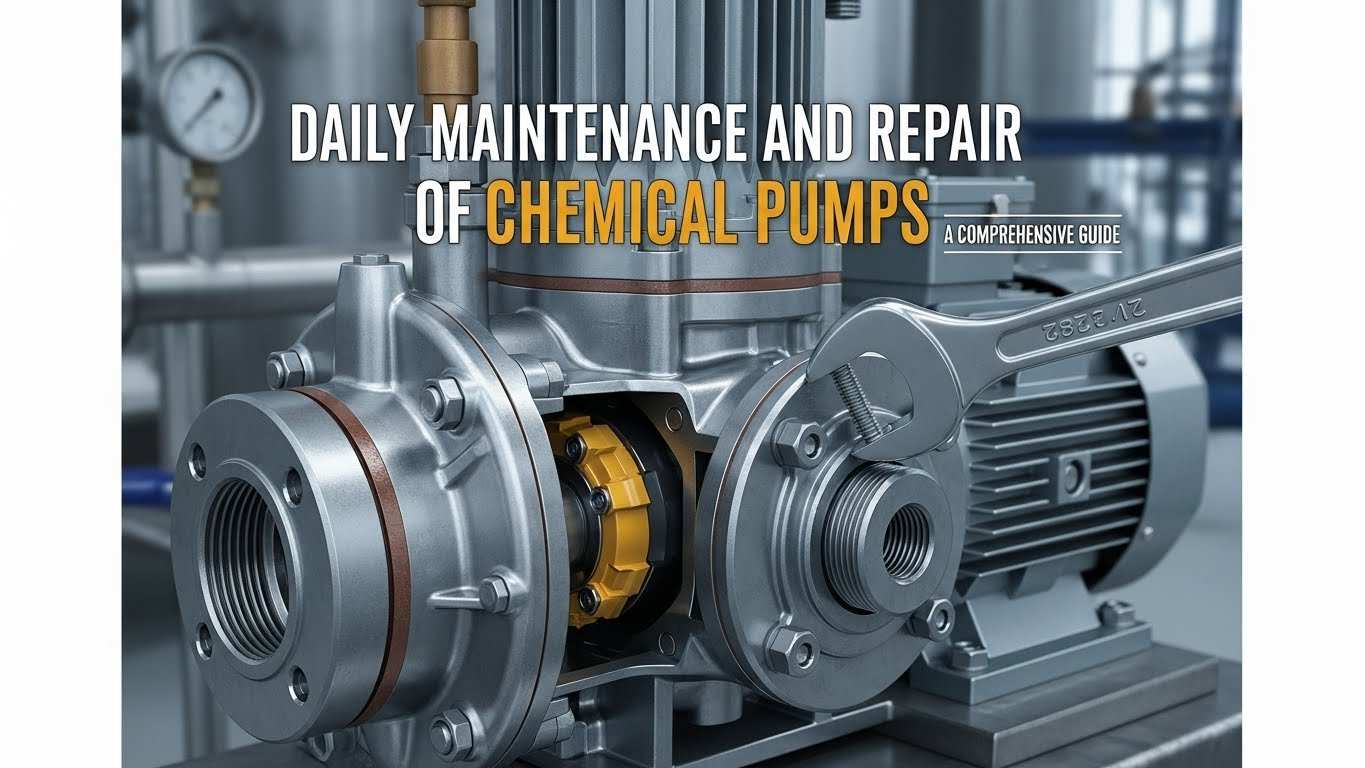
Daily Maintenance and Repair of Chemical Pumps
This article focuses on the daily operation and maintenance of chemical pumps, covering key points like manual turning, vibration, bearing temperature, lubricating oil use and leakage. It details fault handling, maintenance standards and principles, emphasizing the importance of three-level filtration, five-fixed lubrication and preventive maintenance to ensure the equipment's long service life and safe operation.